 SolarPowerNerd


Solar power has come a long way since the first selenium photocell in 1883. Today it’s one of the cleanest, quietest, and most accessible ways to generate electricity.
This guide explains how solar energy helps the environment, from zero emissions to reducing dependence on fossil fuels.
How Did Solar Energy Get Its Start?
The first photocell was invented more than 130 years ago. In 1883, American inventor Charles Fritz covered the semiconductor material selenium with a thin layer of gold, creating a cell that could convert sunlight into electrical energy.
That was the beginning of using sunlight as an energy source alongside other renewables. In the last century, fossil fuel-fired power plants dominated because they produced cheap energy.
The situation changed when solar cell production improved. Since 1954, solar cells have been made from silicon instead of selenium, increasing efficiency by a factor of four, up to 4%.
Modern panels now exceed 15% efficiency.
The aerospace industry was first to appreciate these advantages, demonstrating solar energy’s potential. It’s the most natural and efficient way to generate electricity in space.
This made it clear we can do without fossil fuels.
What Is Solar Power?
Solar energy belongs to the alternative energy category. It’s based on receiving electrical or thermal energy using solar radiation.
Today, solar energy provides most of the electricity for space satellites and stations. The construction of buildings with solar power plants is also growing.
There are active and passive solar systems. Active systems use unique technological structures within buildings that convert solar energy into electricity and heat.
Passive systems use the building’s own thermophysical properties to accumulate and retain heat.
Types of Solar Power
Depending on how it’s produced, solar energy can be physical or biological.
Physical reproduction uses solar panels, solar power plants, and mirror systems. Solar batteries are primarily used on spacecraft.
These are often confused with solar collectors, which are used for heating systems and hot water.
Mirror systems heat oil in pipes at solar power plants. Biological solar energy uses plants and organic household waste.
Through photosynthesis, plants accumulate solar energy.
For Americans, using corn waste is typical. In Brazil, ethyl alcohol from sugarcane waste processing is common.
In general, solar power is expressed through physical energy reproduction.
The Benefits of Solar Power
A significant advantage of solar power is accessibility and inexhaustibility. The energy of the sun is available to everyone and completely free.
To capture it, you only need the right equipment, and you can set it up anywhere. The equipment doesn’t take up much space.
For example, solar collectors sit on building roofs.
Equipment used in solar power doesn’t need special maintenance and pays for itself quickly. From an environmental standpoint, solar power is hard to beat.
The process of generating energy is silent, has no side effects, and leaves no toxic waste. According to calculations, developing solar energy can increase global production by 10 times.
The main disadvantage is inconsistency. Solar energy can’t be collected at night, and cloudy weather reduces performance significantly.
This is solved by installing additional energy sources or investing in solar storage batteries.
Many countries are actively developing solar power. In Germany, the solar industry’s growth enabled plans to close all nuclear power plants.
Solar power is also well-developed in China, the US, Japan, Italy, and France.
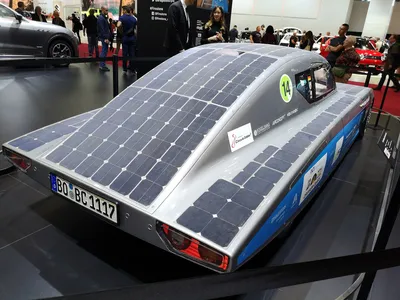
Today, there are solar-powered vehicles, solar ovens, solar water heaters, desalination devices, and many solar lights. Solar energy is expanding its applications rapidly.
How Solar Power Plants Help the Environment
Here are the key environmental benefits:
- Operating solar panels doesn’t affect the atmosphere because energy is generated through physical processes without releasing hazardous substances.
- Installing power plants doesn’t harm the soil or its surface.
- Maintenance is simple and harmless, just basic repairs and washing panels with water.
- High battery life and easy maintenance have a positive environmental effect.
If we replaced nuclear power plants with solar ones, the positive impact on the environment would be enormous because atmospheric emissions would cease.
Why Solar Energy Beats Fossil Fuels
Global climate change is primarily driven by increased carbon dioxide emissions from fossil fuel power plants, industrial operations, and certain types of transportation.
Our contribution to climate change is known as a carbon footprint, measured in thousands of tons of carbon dioxide. A 2 MW solar station can reduce CO2 emissions by 2,700 tons annually.
These figures multiply dramatically for large industrial solar plants.
Using solar energy, we can slow climate change and protect our planet. Learning why solar panels face south helps you maximize that impact at home.
Renewable Energy Sets New Records
The International Renewable Energy Agency (IRENA) publishes annual statistics on renewable energy generating capacities through Renewable Capacity Statistics 2024.
Solar and wind energy provided 84% of the increase in renewable energy capacities. Asia leads the way, where 61% of new renewable capacities were installed.
Since 2015, more renewable generation has been built globally each year than fossil fuel generation, including nuclear. By the end of 2018, installed renewable capacity reached 2,351 GW, up 7.9% from the year before.
Renewable energy now represents about a third of all generating capacity on the planet.
Half of renewable facilities are hydropower (1,172 GW), followed by wind (564 GW) and solar (480 GW). Solar and wind are by far the fastest-growing sectors.
The German Union of the Solar Industry calculated that 500 GW of solar has been installed worldwide, forecasting growth of 100 GW per year. For comparison, nuclear power plant capacity worldwide is 392 GW.
The top three solar countries include China (174 GW), USA (70 GW), and Japan (60 GW). All experts agree the industry will grow at 100+ GW per year, faster than any other generation technology.
How a Solar Panel Works
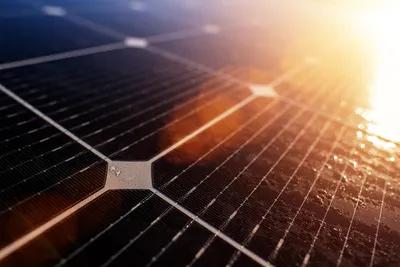
Solar power engineering researches and develops devices that convert solar radiation into electrical and thermal energy. A solar panel is a flat construction of photovoltaic cells (semiconductors) with a protective coating.
These cells convert solar energy into electrical energy. Due to the variety of sizes available, panels are used in many areas of life.
Key advantages of solar panels include:
- Available energy source
- Constant and independent power supply
- Free consumption after installation
- Environmental friendliness
- Silent operation
- High wear resistance
Available Energy Source
The sun illuminates almost every part of Earth’s surface. The potential of solar energy on a global scale is many times greater than our actual need for it.
Constant and Independent Power Supply
Unlike minerals, the sun’s energy is inexhaustible and universal. The panel and its source don’t require maintenance costs, making you completely independent of electricity prices and transportation.
Free Consumption
The sun is a free energy source. Installation costs can be considered long-term investments that pay for themselves over time.
Environmental Friendliness
Global warming is a serious problem. Using solar cells reduces natural resource consumption, and their operation doesn’t release harmful substances into the atmosphere.
If you install a system that converts solar energy to electricity, you can be confident it’s safe for the environment and your family.
Silent Operation
Electricity generation is completely silent because solar panels have no moving parts. You won’t have to deal with constant humming like electric poles produce.
High Wear Resistance
The service life of a solar power system is about 25 years. Efficiency declines gradually over time, and the simplicity of the design makes replacement straightforward.
Broader Uses of Solar Energy
Beyond individual electricity needs, solar energy powers many areas of life. Solar panels can charge electric vehicles, and researchers in South Korea have developed solar batteries that support medical devices implanted under the skin.
Solar panels are also installed on satellites and space telescopes. They’re widely used to provide electricity to buildings and entire settlements.
Frequently Asked Questions
How much does solar power reduce a household’s carbon footprint?
A typical residential solar system offsets 3 to 4 tons of carbon dioxide annually. That’s equivalent to planting about 100 trees each year.
Over a 25-year panel lifespan, a single home installation can prevent roughly 80 to 100 tons of CO2 from entering the atmosphere.
Is solar power truly pollution-free?
Solar panels produce zero emissions during operation. Some pollution occurs during manufacturing and transportation, but lifecycle emissions are dramatically lower than fossil fuels.
A panel typically “pays back” its manufacturing carbon footprint within one to three years of clean energy generation.
Can solar panels power a home completely off-grid?
Yes, with the right system size and battery storage. Most off-grid homes need 15 to 25 panels plus a battery bank to cover nighttime and cloudy periods.
The upfront cost is higher than grid-tied systems, but you gain complete energy independence.
Does solar energy create environmental waste?
Solar panels produce no waste during operation. At the end of their 25 to 30 year lifespan, panels can be recycled to recover silicon, glass, and metals.
Recycling programs are expanding globally, and manufacturers are designing panels with easier end-of-life processing in mind.
Final Thoughts
Solar power is one of the cleanest and most accessible energy sources available today. It produces no emissions during operation, requires minimal maintenance, and keeps getting cheaper.
As renewable energy continues to break records worldwide, solar is leading the charge. Every panel installed brings us closer to a cleaner, more sustainable future.