 SolarPowerNerd

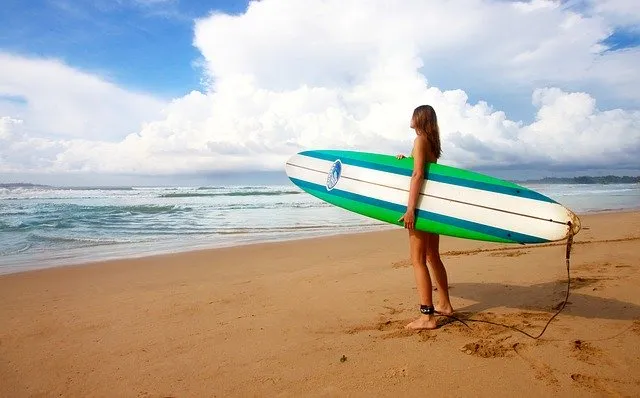
Surfing puts sunscreen through the harshest test possible: hours of saltwater immersion, constant face splashing, and intense UV reflection off the ocean surface. Most standard sunscreens wash off within the first few duck dives, leaving you unprotected for the rest of your session.
The 80-minute water resistance rating on a label is tested in controlled pool conditions, not in overhead surf with paddling and wipeouts.
Mineral formulas with zinc oxide and titanium dioxide physically sit on the skin and hold up better than chemical filters in saltwater. They also skip oxybenzone and octinoxate, which are banned in Hawaii and parts of the Caribbean for reef damage.
Stick formats are the go-to for surfers because they apply a thicker layer on the face without running, and they stay in your boardshort pocket without leaking.
Quick Comparison Chart
| # | Product | Our Rating | ||
|---|---|---|---|---|
| 1 |  |
ISDIN Eryfotona Actinica Mineral Sunscreen SPF 50+ | ★★★★★ | Check Price |
| 2 |  |
ISDIN Eryfotona Ageless Tinted Mineral Sunscreen SPF 50 | ★★★★★ | Check Price |
| 3 |  |
ISDIN Mineral Brush Facial Powder SPF 50+ | ★★★★☆ | Check Price |
| 4 |  |
Neutrogena Beach Defense Sunscreen Stick SPF 50 | ★★★★☆ | Check Price |
| 5 |  |
TropicSport Mineral Sunscreen Lotion SPF 30 | ★★★★☆ | Check Price |
| 6 | 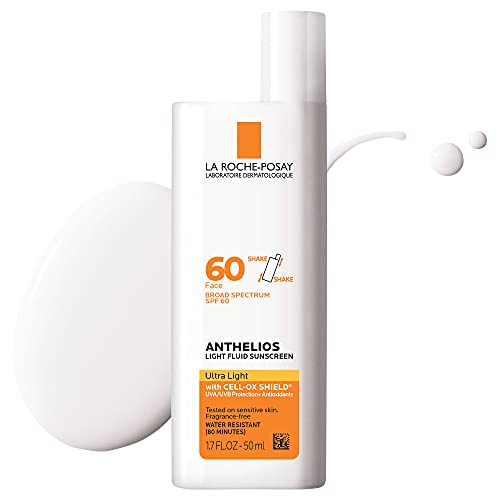 |
La Roche-Posay Anthelios Light Fluid Sunscreen SPF 60 | ★★★★☆ | Check Price |
| 7 |  |
Neutrogena Ultra Sheer Dry-Touch Sunscreen SPF 100+ | ★★★★☆ | Check Price |
| 8 |  |
Shade Face Stick SPF 50+ Tinted Formula | ★★★★☆ | Check Price |
| 9 |  |
Platinum Sun Zinc Oxide Face Stick SPF 30+ | ★★★★☆ | Check Price |
| 10 |  |
Headhunter Sunscreen Face Stick SPF 45 | ★★★★☆ | Check Price |
What Actually Matters in a Surf Sunscreen
Saltwater strips sunscreen faster than any pool, so water resistance duration and reef safety carried the heaviest weight in these rankings. We also scored SPF level, skin feel, and formula type across mineral and chemical options.
The ISDIN Eryfotona Actinica’s all-mineral SPF 50+ with DNA repair enzymes earned the top spot.
TropicSport passed Australia’s brutal 240-minute water resistance test using only zinc oxide and titanium dioxide. If you surf in marine-protected areas or just care about reef impact, check whether your pick is truly reef-safe and not just labeled that way.
1. ISDIN Eryfotona Actinica Mineral Sunscreen SPF 50+
ISDIN Eryfotona Actinica Mineral Sunscreen SPF 50+
An ultralight 100% mineral sunscreen with zinc oxide that melts into skin. Contains patented DNA Repairsomes with photolyase enzymes and Vitamin E to repair existing sun damage.
Pros
- SPF 50+ broad spectrum mineral protection
- Repairs existing sun damage with photolyase
- Fast absorbing, non-greasy feel
- No white cast on any skin tone
Cons
- Smaller tube may not last long sessions
- Needs reapplication after heavy sweating
The Eryfotona Actinica stands out from every other mineral sunscreen on this list because of its DNA Repairsomes technology. These are photolyase enzymes encapsulated in liposomes that actively repair existing thymine dimer damage in skin cells when exposed to visible light.
Most sunscreens only prevent new damage; this one works on damage that already happened.
The 100% mineral formula uses zinc oxide as its sole UV filter, which means no chemical actives like avobenzone or homosalate that can irritate saltwater-stripped skin. Despite being fully mineral, it absorbs fast and leaves no white cast, a problem that plagues most zinc-only formulas.
The texture is ultralight rather than pasty, which makes reapplication between sets less of a chore.
The tube size is smaller than most body sunscreens, so treat this as a face-specific product and pair it with a larger body lotion or rash guard for full coverage during long sessions.
2. ISDIN Eryfotona Ageless Tinted Mineral Sunscreen SPF 50
ISDIN Eryfotona Ageless Tinted Mineral Sunscreen SPF 50
A tinted mineral sunscreen with zinc oxide that evens skin tone while providing broad spectrum protection. Vitamin E boosts antioxidant defenses against photoaging.
Pros
- Evens skin tone with versatile tint
- Vitamin E fights photoaging damage
- Works well under makeup
- Zinc oxide blocks UVA and UVB rays
Cons
- Tint may not match all skin tones
- Not ideal for very oily skin types
The Ageless is the tinted version of ISDIN’s mineral line, which means it doubles as a skin-evening product while providing SPF 50 protection. The universal tint blends into most skin tones and eliminates the chalky white look that keeps some surfers away from mineral formulas.
If you are headed straight from the beach to a restaurant, this is the sunscreen that does not make you look like you forgot to wash your face.
Like the Actinica above, it uses zinc oxide as its active ingredient and includes Vitamin E as an antioxidant defense against photoaging. The difference is in the finish: the Ageless dries with a slight sheen rather than a matte look, which works well on dry skin but can feel heavy if your skin runs oily.
Water resistance is adequate for moderate ocean exposure, though it will not hold up as long as the dedicated surf sticks lower on this list during extended paddling sessions.
3. ISDIN Mineral Brush Facial Powder SPF 50+
ISDIN Mineral Brush Facial Powder SPF 50+
A mineral brush powder with titanium dioxide, zinc oxide, and iron oxides that leaves skin protected with a silky matte finish. Targets pollution, blue light, and uneven skin tone.
Pros
- Protects from pollution and blue light
- Silky smooth matte finish on skin
- Easy brush application, no mess
- Evens skin tone and reduces shine
Cons
- Not a standalone surf sunscreen
- Limited water resistance for ocean use
Although this product is not a traditional surf sunscreen, it is a great supplement for those who want additional protection for their skin. The auto-feed brush system applies a thin protective layer that looks natural and minimizes uneven skin tone.
This product protects skin from the sun, environmental pollution, blue light, and infrared radiation. It also aims to repair existing damage and reduce visible signs of aging.
4. Neutrogena Beach Defense Sunscreen Stick SPF 50
Neutrogena Beach Defense Sunscreen Stick SPF 50
A broad spectrum SPF 50 sunscreen stick that glides on easily and dries quickly. Water resistant up to 80 minutes, oxybenzone-free, and travel-ready for beach days.
Pros
- 80-minute water resistance rating
- Non-greasy formula dries invisible
- PABA-free and oxybenzone-free
- Works on both face and body
Cons
- Stick format covers less area per swipe
- May need frequent reapplication in surf
The Neutrogena Beach Defense stick is one of the most accessible surf sunscreens on this list in terms of availability and price. The SPF 50 formula is PABA-free and oxybenzone-free, which addresses two of the most common chemical sensitivities surfers deal with after long salt exposure.
Water resistance holds for 80 minutes, which covers a typical session but will need reapplication if you are doing back-to-back sets.
The stick format glides on dry and does not leave the greasy film that makes board rails slippery. It works on both face and body, and the non-comedogenic formula will not clog pores or trigger breakouts from the combination of sweat, salt, and sunscreen that causes problems for acne-prone surfers.
The tradeoff is coverage speed: a stick covers less area per swipe than a lotion, so applying it to your full back or legs takes noticeably longer.
5. TropicSport Mineral Sunscreen Lotion SPF 30
TropicSport Mineral Sunscreen Lotion SPF 30
An eco-friendly mineral sunscreen using only zinc oxide and titanium dioxide as active ingredients. Passes both U.S. 80-minute and Australian 240-minute water resistance tests.
Pros
- Passes 240-minute water resistance test
- Reef safe with no harsh chemicals
- Goes on clear with no white residue
- Safe for kids 6 months and older
Cons
- SPF 30 may feel low for intense sun
- Thicker mineral formula takes more rubbing
TropicSport uses only zinc oxide and titanium dioxide as its active ingredients, with no chemical UV filters at all. The big difference from other mineral formulas is that it passed Australia’s 240-minute water immersion test, which is three times longer than the standard 80-minute U.S. test.
That makes it the longest-lasting water-resistant mineral sunscreen in this roundup by a wide margin.
Despite being a thick mineral formula, it goes on clear without the white residue that makes most zinc-based sunscreens impractical for darker skin tones. The lotion does require more rubbing to work in compared to chemical spray formulas, but once absorbed, it stays put through repeated duck dives and wipeouts.
It is also fragrance-free and safe for children 6 months and older, which makes it a practical choice for families who surf together.
6. La Roche-Posay Anthelios Light Fluid Sunscreen SPF 60
La Roche-Posay Anthelios Light Fluid Sunscreen SPF 60
A lightweight, fast-absorbing facial sunscreen with Cell-Ox Shield technology for broad spectrum UVA/UVB protection. Oil-free and fragrance-free with a matte, non-whitening finish.
Pros
- No white cast on any skin tone
- Lightweight matte finish, oil-free
- Fragrance-free for sensitive skin
- Works as smooth base under makeup
Cons
- Smaller travel size bottle
- Fluid texture can feel thin for surfers
This sunscreen hydrates the skin and keeps it protected with a lightweight, non-whitening formula. It is a great product for people with a dark complexion since it leaves absolutely no white residue.
The product is water-resistant, and many users recommend it under their makeup. It is one of the best sunscreen protection options that also works great as a surfing sunscreen.
7. Neutrogena Ultra Sheer Dry-Touch Sunscreen SPF 100+
Neutrogena Ultra Sheer Dry-Touch Sunscreen SPF 100+
A non-greasy, lightweight sunscreen with SPF 100+ that defends against signs of sun damage. PABA-free and non-comedogenic for daily face and body protection.
Pros
- SPF 100+ for maximum UV defense
- Lightweight, non-greasy dry-touch feel
- PABA-free and non-comedogenic
- Works for both face and body
Cons
- Chemical filters may irritate some skin
- Higher SPF does not mean all-day coverage
This is an outstanding product that provides SPF 100+ protection from harmful sun rays. It is lightweight and fast-absorbing, which keeps your skin hydrated, protected, and smooth.
Neutrogena produces this lotion in SPF 30, 45, 70, and 100+ so you can choose the one that most suits your needs. This sunscreen has a clean, ultra-light feel and non-shiny finish that surfers appreciate.
8. Shade Face Stick SPF 50+ Tinted Formula
Shade Face Stick SPF 50+ Tinted Formula
A tinted mineral face stick with SPF 50+ protection. Very high water and sweat resistance lasts up to 80 minutes, using zinc oxide and titanium dioxide.
Pros
- 80-minute water and sweat resistance
- Mineral-based with zinc and titanium
- Compact stick is easy to carry
- Does not smear or grease into water
Cons
- Tinted formula looks like foundation
- Limited shade options for darker skin
This reef-safe sunscreen is a tinted face stick that is also water and sweat resistant for at least 80 minutes after application. A mineral-based product with micro zinc oxide and titanium dioxide, it provides UVA and UVB protection for hours.
The face stick does not smear or grease off into the ocean, and it does not leave any residue in swimming pools. However, this is a tinted formula, so it may not suit everyone who prefers a clear finish.
9. Platinum Sun Zinc Oxide Face Stick SPF 30+
Platinum Sun Zinc Oxide Face Stick SPF 30+
A pocket-size mineral face stick made with non-nano zinc oxide and organic ingredients. Gluten-free, paraben-free, and fragrance-free with ultra-moisturizing protection.
Pros
- Non-nano zinc oxide, chemical-free
- Ultra-moisturizing for dry skin
- Pocket-size for easy travel
- Gluten-free and paraben-free formula
Cons
- SPF 30 is lower than competitors
- Can leave white residue on dark skin
The Platinum Sun stick uses non-nano zinc oxide as its sole UV filter, which means the zinc particles are large enough that they do not penetrate the skin barrier or wash into coral tissue. That non-nano distinction is important for surfers who care about marine impact, since nano-size zinc particles have been shown to accumulate in reef organisms.
The formula is gluten-free, paraben-free, and fragrance-free, which checks every box for surfers with sensitive or allergy-prone skin. The ultra-moisturizing base keeps salt-dried facial skin from cracking and peeling after a session.
At SPF 30, it is the lowest protection level among the face sticks on this list, so it works best for dawn patrol or overcast days rather than peak midday sun. The pocket-size format fits inside a wetsuit key pocket or board shorts without bulk.
10. Headhunter Sunscreen Face Stick SPF 45
Headhunter Sunscreen Face Stick SPF 45
A melt-proof facial sunscreen designed specifically for surfers and water sport athletes. Temperature-regulating formula with titanium dioxide and zinc oxide for 80 minutes of water resistance.
Pros
- Designed specifically for surfers
- Melt-proof in hot weather and cars
- 80-minute water resistance
- Mineral-based with titanium and zinc
Cons
- Tinted brown color limits versatility
- Small stick size runs out quickly
This product is a tinted face stick sunscreen designed for surfers, lifeguards, swimmers, and anyone else who spends extended time outdoors. With SPF 45 and 80 minutes of water resistance, you can enjoy the sun and your favorite activities.
Based on reviews, this sunscreen blends quickly but does not melt, and moisturizes all skin types. Its temperature-regulating formula makes it particularly reliable in hot conditions.
What Is SPF?
SPF stands for “Sun Protection Factor.”
SPF30 blocks 97% of UV radiation, SPF50 blocks about 98% while SPF100 blocks almost 99% of sun rays.
All the sunscreens protect your skin from skin damage and reduce the risk of skin cancer.
But the truth is that higher SPF products are only marginally better at shielding you from UV rays.
Therefore, SPF 30 sunscreens do also a good job in protecting you from harmful sun rays.
Do Sunscreens Work Immediately After Application?
No, sunscreens don’t work immediately after application.
You should apply a lotion or some other sunscreen 15 minutes before going outside.
The chemicals in sunscreen or sunblock do not work immediately, but physical sunscreen does.
Therefore, to ensure full protection, wear sunglasses and a hat, and don’t forget to reapply the sunscreen every two to three hours, depending on your activities outside.
Can I Skip Moisturizer And Only Use a Sunscreen?
Yes, you can skip moisturizer and only use sunscreen.
Several sunscreens already contain moisturizers.
However, don’t apply spray sunscreen on your face.
Do you know why?
It’s better to spray the sunscreen generously onto your hands, then just rub it on your face.
Why Should I Apply a Sunscreen Before Surfing?
Surfing is an outdoor sport and you need good protection against harmful sun rays.
Besides, staying outdoors for long hours can cause sunburn and increase your chances of developing skin cancer.
Sunscreen protects you from immediate discomfort and shields your skin from UV rays.
What are the Benefits of Applying Sunscreen?
The main job of sunscreen is to protect your skin from the sun’s harmful ultraviolet rays, which are called UVA and UVB rays.
Dermatologists recommend sunscreen with an SPF of at least 30, which blocks almost 97% of sun rays.
Sunscreen helps prevent skin irritation and damage while also slowing down skin aging like wrinkles and discoloration.
It’s never too late to start integrating safe sun practices into your life.
Besides applying sunscreen, you can protect yourself from harmful rays by wearing a hat, sunglasses, umbrella, and other sun-protective clothing that will limit your direct exposure to the sun.
Using sunscreen gives you a healthier and young-looking appearance.
- Sunscreen reduces your risk of developing skin cancer
- keeps you looking young
- maintains your skin tone even
- protects you from more than only sunburn
How Often Should I Reapply a Sunscreen?
Once you apply sunscreen, you should know that it provides only limited protection.
At times, every two to three hours, you have to reapply it.
The skin absorbs the active ingredients in the lotion and you lose your protection.
Let’s make a parallel.
You took your medicine at 10 am and need to take it every few hours.
If you don’t take your medicine when you should, you will lose all the effects of the medicine in your body.
This is how sunscreen works too.
What Is the Best Sun Protection for Surfing?
There isn’t such a thing as “the best.”
Which sunscreen you will choose depends on your preferences.
You might want to reapply the sun protection every few hours, or you like to do it more often.
Likewise, you might spend only a few hours outdoors every day, or you might enjoy staying outside from dawn until nightfall.
You might just spend your time outside sunbathing or you might go swimming and stay in the water for hours.
Therefore, choose sunscreen according to your needs.
Ideally, sunscreen for surfing will be water-resistant, last for longer, and have good SPF protection.
Nonetheless, always make sure to apply sun protection.
Final Thoughts
Water resistance is the deciding factor for surfers, and the ISDIN Eryfotona Actinica held on noticeably longer than most competitors during repeated paddling and duck dives. Its DNA Repairsomes technology gives it an edge over standard mineral formulas by actively working to repair existing sun damage while you are out in the water.
Face sticks like the Headhunter and Shade earned their spot because they stay put where lotions wash off. Applying a thick layer of zinc stick across your nose and cheeks before paddling out gives you protection that survives wipeouts and saltwater far better than any spray.
Reef safety showed up as a real differentiator in this category. The TropicSport and Platinum Sun formulas skip oxybenzone and octinoxate entirely, which matters when you are spending hours in the ocean every week.
If you also want to protect tattooed skin during long surf sessions, our guide to sun protection for tattoos covers formulas that prevent ink fading from UV exposure. Combining a quality reef-safe sunscreen with physical barriers like a rash guard gives you the most reliable all-day coverage.