 SolarPowerNerd

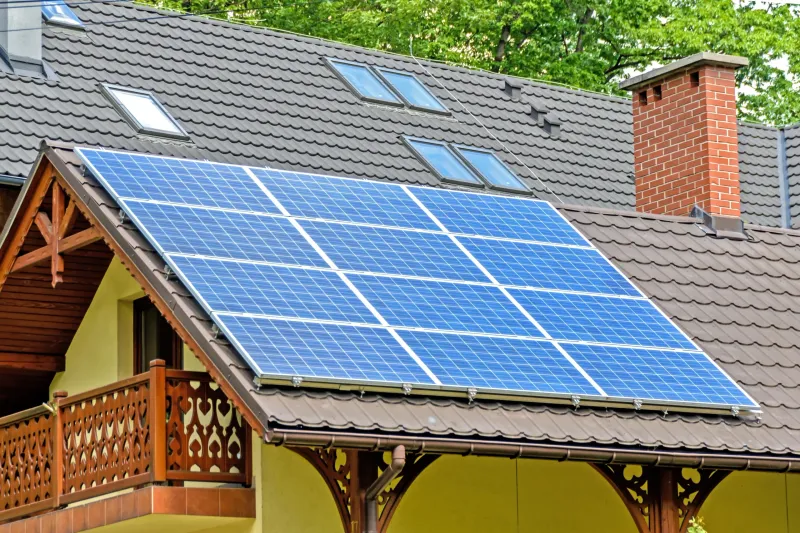
Hitting 500 kWh per month with solar is doable for most homes. Your electricity usage, roof size, and local sunlight hours are the three biggest factors that determine how many panels you’ll need.
Panel Count for 500 kWh Monthly
To generate 500 kWh monthly, you’d need about 17-18 solar panels on your home. The average residential system is 5 kW, so you’d need at least an 8.5 kW system.
Systems of this capacity typically cost between $12,500 and $16,000 after tax credits.
How Much Power Do Solar Panels Produce?
The average solar panel generates roughly 200 watts. That means 18 panels would produce approximately 3.6 kW of power, the minimum needed for 500 kWh monthly output.
Higher-efficiency panels rated at 350-400 watts can hit the same target with fewer units. Learn more about how much power one solar panel can produce.
How Much Do Solar Panels Cost?
The average cost is about $3 per watt, and a typical home needs around 2,000 watts of power. That’s approximately $6,000 for a residential installation.
Prices have dropped and can run as low as $2 per watt. Government incentives may further reduce your out-of-pocket costs.
Your Monthly and Annual Power Bill
Solar panels typically pay for themselves within 5-10 years. After that, homeowners save hundreds or thousands annually on electricity expenses.
Factors That Affect Solar Panel Output Efficiency
Panel efficiency depends on several variables: panel type, sun angle, and shading. Crystalline silicon panels are the most efficient, followed by thin-film panels.
Even minor shading can reduce efficiency by up to 50%. Panel orientation matters too.
How Many Solar Panels Can Power a House?
Most homes need between 10-20 panels depending on property size, sunlight, and panel efficiency. Larger homes or those in shadier regions need additional capacity.
Average Daily Direct Sunlight
Most US regions get between 3-6 hours of peak sunlight per day. Southern states like Arizona and Texas average closer to 6 hours, while northern states may get only 3-4 hours.
This directly affects how many panels you need.
How Much Roof Space Is Needed for Solar Panels?
A standard residential system needs 80-160 square feet of roof space. Newer high-efficiency models take up approximately 60 square feet.
Inconsistent Power Production
Solar panels don’t produce the same energy every day. Cloud cover, seasonal changes, and weather events all affect output.
That’s why most systems are sized 10-20% above your target to account for lower production days.
7 Factors That Determine Your Solar System Size
System sizing depends on:
- Personal electricity consumption
- Regional sunlight availability
- Rooftop orientation
- Rooftop tilt angle
- Amount of shade coverage
- Solar panel type selection
- System efficiency rating
Frequently Asked Questions
How many solar panels do I need for 1000 kWh per month?
For 1,000 kWh monthly, you’d need roughly 34-36 panels, or a system around 17 kW in size. This is a larger system that suits bigger homes with higher energy usage.
Roof space and local sunlight hours determine whether you can fit this many panels. A solar storage battery helps maximize your investment.
How many solar panels do I need for 2000 kWh per month?
For 2,000 kWh monthly, you’d need approximately 68-72 panels, or a system around 34 kW. This is a very large residential system that may require a ground-mounted array if your roof can’t accommodate that many panels.
Commercial-grade inverters are typically needed for systems this size.
How many solar panels do I need for 900 kWh per month?
For 900 kWh monthly, you’d need about 30-32 panels, or a system around 15 kW. This covers the energy needs of a larger home with multiple occupants.
Higher-wattage panels at 400 watts each could reduce the total count to about 24 panels while producing the same output.
Does panel efficiency affect how many I need?
Yes, panel efficiency directly impacts the total count. A 20% efficient panel produces more electricity per square foot than a 15% panel.
Higher-efficiency panels cost more upfront but require fewer units and less roof space. For most homeowners targeting 500 kWh, the difference is roughly 3-4 fewer panels needed.
Final Thoughts
Solar installation costs have dropped significantly, making now a great time to go solar. With 17-18 panels and the right roof orientation, 500 kWh per month is within reach for most homeowners.
Run the numbers for your specific location and energy usage. The long-term savings on electricity make solar one of the best home investments you can make.