 SolarPowerNerd
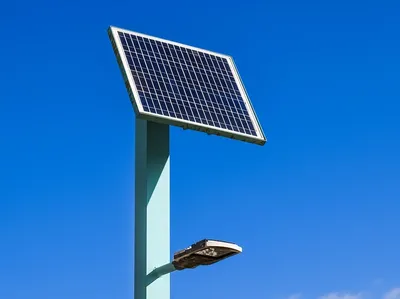 guide
guide How Long Do Solar Lights Last? Lifespan by Type, Battery, and Climate
Solar lights last 1 to 10+ years depending on battery type, build quality, and maintenance. See real lifespan data by fixture type and tips to extend yours.
Solar garden lights, security floodlights, pathway stakes, and decorative string lights reviewed and compared.

We may earn a small commission through links on this page, at no extra cost to you. As an Amazon Associate, we earn from qualifying purchases. Ratings reflect our own editorial evaluation.
Solar lights have quietly replaced wired outdoor fixtures across millions of homes. No electrician, no trenching, no monthly bump on the power bill -- you stake them in the ground or mount them on a wall, and the sun handles the rest.
The early solar lights from ten or fifteen years ago earned a bad reputation. Dim, unreliable, dead by November. That's not where the technology is now. Modern solar lights use high-efficiency monocrystalline cells, lithium-ion or LiFePO4 batteries, and LED chips bright enough to replace traditional 40-60W incandescent bulbs while drawing a fraction of the power.
This guide walks through every type of solar light you'll encounter, from garden path stakes to commercial-grade security floodlights. We cover what actually matters when shopping -- lumens, battery capacity, weather ratings -- and which specs are just marketing filler.
Most people start with a set of pathway lights or a motion-sensor security light and expand from there. Once you see the first utility bill after switching a dozen wired fixtures to solar, the upgrade path becomes obvious.
The solar lighting market is flooded with options at every price point. The sections below help you find the ones worth buying and avoid the ones that'll dim out after two months.
Solar-powered lights are self-contained lighting fixtures with built-in photovoltaic cells that convert sunlight into electricity, store it in rechargeable batteries, and power LED bulbs automatically after dark. They require no external wiring, no electrical hookup, and no ongoing energy costs.
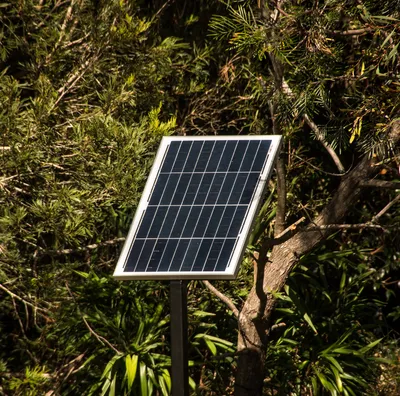
The basic components are simple: a small solar panel (usually monocrystalline or polycrystalline), a rechargeable battery (lithium-ion, LiFePO4, or older NiMH), an LED light source, a light sensor or photoresistor that triggers the light at dusk, and a housing to protect everything from weather.
During daylight hours, the solar panel charges the battery. At dusk, the light sensor detects the drop in ambient light and switches the LEDs on. At dawn, the sensor turns the light off and the charging cycle starts again. The entire process is automatic with zero user intervention required.
Better solar lights add motion sensors, adjustable brightness modes, color temperature options, and remote control via smartphone apps. The core principle stays the same -- harvest sunlight during the day, provide light at night, repeat indefinitely.
The technology has matured enough that well-made solar lights now match or exceed the brightness and reliability of traditional low-voltage wired landscape lighting, without any of the installation complexity or wiring costs.
Six main categories cover most residential and commercial applications: pathway lights, security and floodlights, garden and landscape lights, string lights, wall and fence lights, and spotlights.
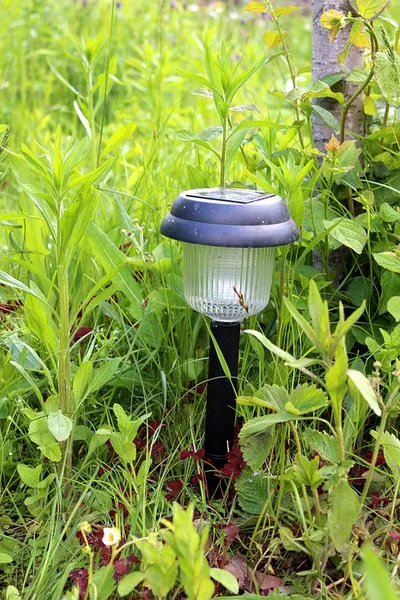
The most popular category by sales volume. These are stake-mounted fixtures that line driveways, walkways, garden borders, and front paths. Typical output ranges from 5 to 30 lumens per light -- enough for ambient wayfinding without the harsh glare of overhead fixtures.
The best pathway lights use frosted or diffused lens covers that spread light evenly at ground level. Cheap ones concentrate light in a narrow beam that creates bright spots and dark gaps between fixtures. Spacing matters too -- 6 to 8 feet apart provides continuous coverage for most models.
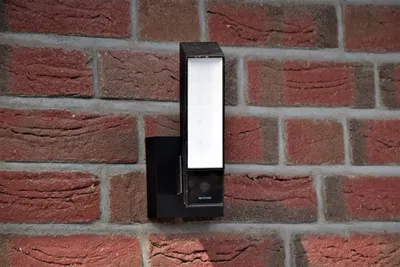
These are the heavy hitters. Solar security lights with motion sensors deliver 500 to 3,000+ lumens -- bright enough to illuminate entire driveways, yards, and building perimeters. Motion detection ranges typically span 20 to 40 feet with adjustable sensitivity.
Separate-panel designs, where the solar panel connects to the light via a cable, allow you to mount the panel in full sun while placing the light in a shaded area like a porch overhang or carport. This solves the biggest limitation of all-in-one solar security lights -- needing both sun exposure and optimal light placement in the same spot.
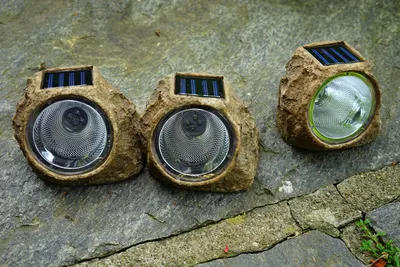
Decorative solar fixtures designed for flower beds, garden borders, water features, and ornamental displays. This category emphasizes aesthetics alongside function -- color-changing LEDs, patterned shadow projections, and fixtures shaped like lanterns, flowers, or sculptures.
The tradeoff is usually brightness for battery life. A garden light running at 10 lumens can last 8-12 hours on a full charge, while a 50-lumen spotlight might last 4-6 hours. Match the brightness to the purpose -- ambient glow for gardens, focused brightness for feature lighting.
Waterproof LED string lights powered by a small solar panel on a ground stake or clip. Lengths range from 20 to 200+ feet, with options for warm white, cool white, multicolor, and color-changing modes. They're the go-to for patio ambiance, outdoor dining areas, pergola decoration, and holiday displays.
Battery capacity is the limiting factor for string lights. A 100-LED string draws more power than a single pathway light, so look for models with at least 1,200mAh batteries for reliable dusk-to-midnight runtime. Premium options with 2,000-3,600mAh batteries can run all night.
Compact fixtures that mount on walls, fences, deck posts, stair risers, and garage doors. They provide accent lighting, step illumination, and perimeter glow without any wiring through walls or decking. Most use adhesive backing or simple screw mounts for installation.
Focused-beam lights for highlighting trees, architectural features, flags, signs, and landscaping focal points. Output ranges from 100 to 600 lumens with adjustable heads for precise aiming. Higher-end models offer warm and cool color temperature switches.
Zero electricity cost, no wiring installation, minimal maintenance, automatic operation, and easy repositioning. Solar lighting eliminates almost every friction point of traditional outdoor lighting.
Wired outdoor lighting adds $10-50+ per month to electricity bills depending on the number of fixtures and hours of operation. Solar lights cost nothing to run after the initial purchase. Over a 5-year period, a set of 10 solar pathway lights saves $300-600 compared to equivalent wired fixtures.
Traditional low-voltage landscape lighting requires a transformer, buried cables, splice connectors, and often a licensed electrician for permits. Solar lights need a screwdriver at most. Stake-mounted models need nothing but a patch of ground with sun exposure.
Built-in photosensors turn solar lights on at dusk and off at dawn without timers, switches, or smart home integration. Motion-sensor models add an active detection layer. The system runs itself year-round with zero daily input from you.
Redesigning your garden? Moving to a new house? Wired lighting stays put or requires an electrician to relocate. Solar lights pull out of the ground and stake back in wherever you want them. No circuits to reroute, no trenches to fill.
The photovoltaic cell on top converts sunlight to DC electricity, which flows through a charge controller into a rechargeable battery. A light sensor (photoresistor) monitors ambient light levels. When light drops below a set threshold at dusk, the controller routes battery power to the LEDs. When light rises at dawn, the circuit switches back to charging mode.
LED efficiency is what makes modern solar lights viable. LEDs convert roughly 50% of electrical energy into visible light, compared to 10% for incandescent bulbs. This means a small solar panel and modest battery can power LED fixtures all night at brightness levels that would have drained a solar-charged battery in two hours with incandescent technology.
Motion-sensor models add a passive infrared (PIR) detector that senses body heat. The light stays in dim standby mode (or off) until the PIR detects movement, then switches to full brightness for a programmed duration -- typically 15-60 seconds. This dramatically extends battery life since the light runs at full power only when needed.
Battery chemistry has improved significantly. Older solar lights used NiMH (nickel-metal hydride) batteries that lost capacity quickly in cold weather and degraded after 500-800 cycles. Modern lithium-ion and LiFePO4 batteries maintain performance down to 14F (-10C) and last 2,000-3,000+ cycles before meaningful capacity loss.
Solar wins on installation cost, flexibility, and operating expense. Wired wins on maximum brightness and all-weather consistency.
| Feature | Solar Lights | Low-Voltage Wired | Line-Voltage Wired |
|---|---|---|---|
| Installation Cost | $0 (DIY) | $200-1,000+ | $500-3,000+ |
| Monthly Operating Cost | $0 | $5-25 | $10-50+ |
| Max Brightness | Up to 3,000 lumens | Up to 5,000+ lumens | Unlimited |
| Weather Dependence | Yes (charging) | No | No |
| Relocation Ease | Instant | Moderate | Difficult |
| Maintenance | Battery replacement every 2-5 years | Bulb/transformer service | Electrician service |
| Permits Required | No | Rarely | Often |
| Lifespan | 3-7 years | 10-15 years | 15-25 years |
For most residential applications -- pathway lighting, accent lighting, garden borders, patio ambiance, and basic security -- solar delivers more than enough performance at a fraction of the cost and complexity. Wired lighting makes more sense for high-brightness commercial installations, architectural lighting that needs precise color rendering, or locations with minimal sun exposure.
Five factors separate good solar lights from the ones that disappoint: lumens output, battery capacity and type, solar panel quality, weather resistance rating, and build materials.
Ignore wattage claims on solar light packaging -- lumens measure actual light output. Pathway lights need 5-30 lumens. Accent lights need 50-200 lumens. Security floodlights need 500-3,000 lumens. Any listing that emphasizes watts instead of lumens is hiding weak output behind misleading specs.
Measured in milliamp-hours (mAh). More capacity means longer runtime. A 600mAh NiMH battery gives you 4-6 hours of dim light. A 2,200mAh lithium-ion battery runs a bright fixture for 8-12 hours. LiFePO4 batteries at similar capacity add cold-weather performance and 3x the cycle life.
IP65 is the minimum for outdoor solar lights -- dust-tight and protected against water jets. IP67 adds temporary submersion protection. Check the operating temperature range too. Cheap solar lights with NiMH batteries fail below freezing because the battery chemistry can't deliver current in cold conditions.
Stainless steel and die-cast aluminum housings outlast plastic by years, especially in UV-intense and salt-air environments. ABS plastic is acceptable for budget pathway lights but degrades visibly within 2-3 years of sun exposure. Look for UV-stabilized materials and corrosion-resistant hardware.
The names that consistently deliver: LITOM/MPOW, URPOWER, BAXIA, Aootek, GIGALUMI, SOLPEX, and Ring (for security).
LITOM (now under the MPOW umbrella) popularized high-lumen solar motion sensor lights. Their 120-LED models deliver genuine 270-degree detection and reliable brightness that holds up after years of outdoor exposure.
URPOWER targets the value-conscious buyer with 2-in-1 solar spotlights and wall lights that consistently rank among Amazon's best sellers. Their adjustable-head spotlight is one of the best entry-level options for landscape accent lighting.
Ring's solar-powered security lights and floodlights integrate with the Ring ecosystem for app control, alerts, and camera coordination. The premium is justified for users already invested in Ring's smart home platform.
GIGALUMI and SOLPEX specialize in decorative and pathway solar lights with strong aesthetic design. Their glass and stainless steel pathway stakes hold up better than most competitors' plastic alternatives at similar price points.
Solar lights need sun, clean panels, and occasional battery replacement. That's the entire maintenance commitment.
Quick care reference:
The number one reason solar lights underperform is insufficient sun exposure. Position panels where they receive at least 6-8 hours of direct sunlight daily. South-facing placement (in the Northern Hemisphere) maximizes exposure. Avoid spots shaded by trees, buildings, or fences during peak sun hours.
Dust, pollen, sap, and hard water deposits reduce charging efficiency. A monthly wipe with a soft damp cloth keeps panels at full output. For stubborn film, mild soap and water works -- never use abrasive cleaners that can scratch the panel coating.
When solar lights start dimming noticeably or running for shorter periods despite full sun exposure, the battery has reached end of life. Most solar lights use standard rechargeable battery sizes (AA, AAA, 18650) that cost $2-5 to replace. Swapping in a fresh battery often restores a solar light to like-new performance for another 2-3 years.
Yes, but with reduced performance. Shorter daylight hours mean less charging time and shorter nightly runtime. Models with larger batteries and efficient monocrystalline panels handle winter best. Lithium-ion and LiFePO4 batteries maintain function in cold temperatures where NiMH batteries fail.
Top-tier solar security lights now reach 3,000+ lumens, matching many wired floodlights. Solar pathway lights at 15-30 lumens provide comparable ambiance to standard low-voltage landscape fixtures. The gap has closed significantly in the last five years.
The LED components last 25,000-50,000 hours. The solar panel degrades slowly over 10-25 years. The battery is the first component to need replacement, typically after 2-5 years depending on chemistry. Overall fixture lifespan with battery replacement is 5-10 years for quality models.
Yes, at reduced rates. Expect 30-50% of full charge under light overcast and 10-25% under heavy clouds. This means shorter runtime the following night. Higher-efficiency panels mitigate the impact better than lower-efficiency alternatives.
For most outdoor residential lighting needs, absolutely. The combination of zero installation cost, zero operating cost, and reliable performance from modern models makes solar the most practical choice for pathways, gardens, security, and decorative outdoor lighting. The breakeven point versus wired alternatives is typically 6-12 months.
Solar lighting has matured past the "nice idea, poor execution" phase. Modern solar lights deliver genuine brightness, reliable all-season performance, and years of maintenance-free operation -- all without a single dollar added to your electricity bill.
Buy quality fixtures with monocrystalline panels, lithium-ion or LiFePO4 batteries, and proper IP65+ weather ratings. Place them where they get full sun, clean the panels occasionally, and replace the batteries every few years. That formula delivers years of free, reliable outdoor lighting.
guide Solar lights last 1 to 10+ years depending on battery type, build quality, and maintenance. See real lifespan data by fixture type and tips to extend yours.
 roundup
 We compared 10 solar chandeliers for gazebos on brightness, weight, and weather resistance. Capiz shell, crystal, and Edison bulb styles all made the cut.
 roundup
 5 solar fan hats reviewed for airflow, comfort, and durability - from casual baseball caps to hard hat models that keep job site workers cool all day.
 roundup
 We compared 7 solar net lights on size, LED count, lighting modes, and waterproof ratings. Mesh designs for bushes, hedges, and lawn coverage reviewed for 2026.
 roundup
 12 solar fence post lights compared by cap size, brightness, and runtime. Covers 4x4, 5x5, and 6x6 post fits so you get the right match for your fence.
 roundup
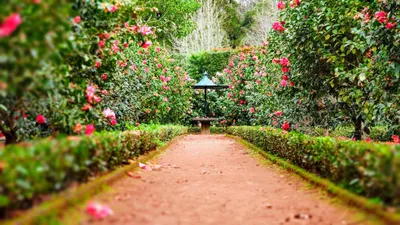
 We ranked 10 solar landscape lights by lumen output, adjustability, and durability. Spotlights, path markers, and color-changing models reviewed for any yard.
 roundup
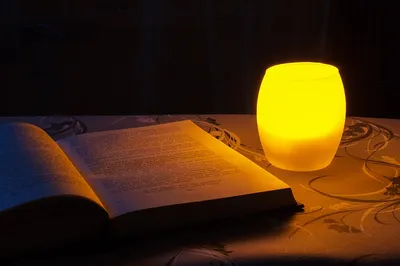
 10 solar reading lights tested for brightness, color temperature, and portability. Desk lamps, bulbs, and shed-mounted options all compared side by side.
 roundup
 We ranked 10 solar dock lights by waterproof rating, brightness, and battery life. Flush-mount, post-cap, and stainless steel models compared.
 roundup
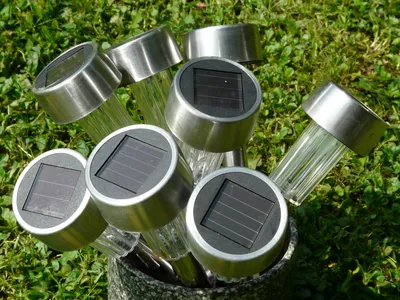
 We reviewed 6 solar in-ground lights on IP rating, brightness, and build quality. Stainless disc and recessed path options compared - see which ones hold up.
 roundup
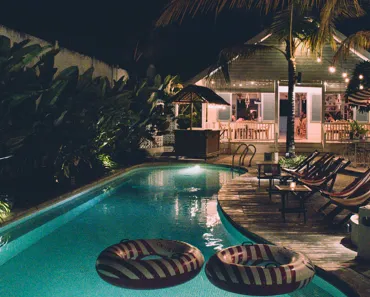
 20 solar pool lights tested for submersion depth, color modes, and overnight runtime. Floating, underwater, and poolside options compared for 2026.
 roundup
 We reviewed 10 solar tea lights on flicker realism, runtime, and waterproofing. See which flameless candles look convincing enough to fool guests at night.
 roundup
 10 solar tiki torches compared on LED count, flame realism, and runtime. See which ones actually look like real fire when the sun goes down in 2026.