 SolarPowerNerd

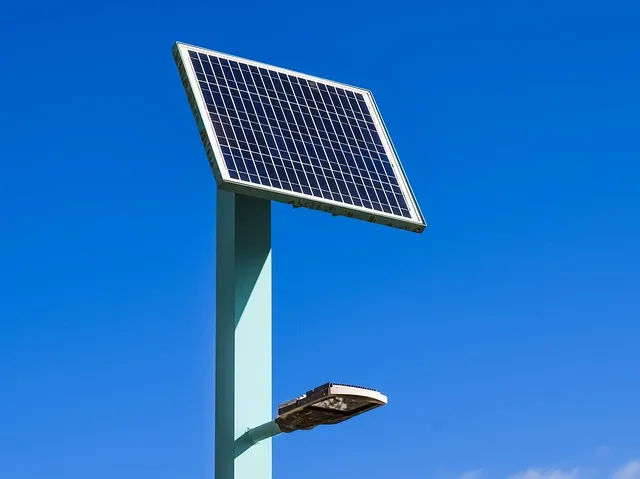
A $12 set of solar pathway lights looks identical to a $45 set on the shelf. Both promise wireless convenience and zero electricity costs.
Six months later, only one of them still works.
What separates a solar light that fades in weeks from one that runs strong for a decade? Three internal components (battery chemistry, LED quality, and housing construction) make all the difference.
Knowing what to look for saves you hundreds of dollars and eliminates the frustration of swapping dead fixtures every season.
This guide covers how long different types actually last, which components fail first, and the maintenance steps that add years to every fixture.
How Long Solar Lights Last by Type
Most last 1 to 10 years depending on fixture type, build quality, and care.
They’re not all built the same, and they don’t all take the same beating outdoors. How long yours lasts depends heavily on the type of fixture and where you’re using it.
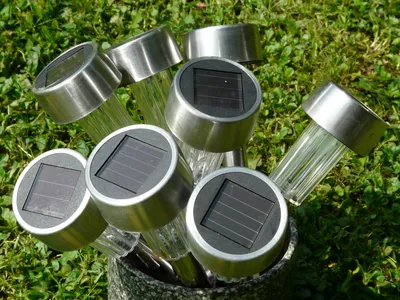
Pathway and Garden Lights
Pathway lights and garden lights sit close to the ground where they collect splashed mud, lawn clippings, and condensation daily. Most mid-range models deliver 2 to 4 years of consistent brightness before the battery weakens noticeably.
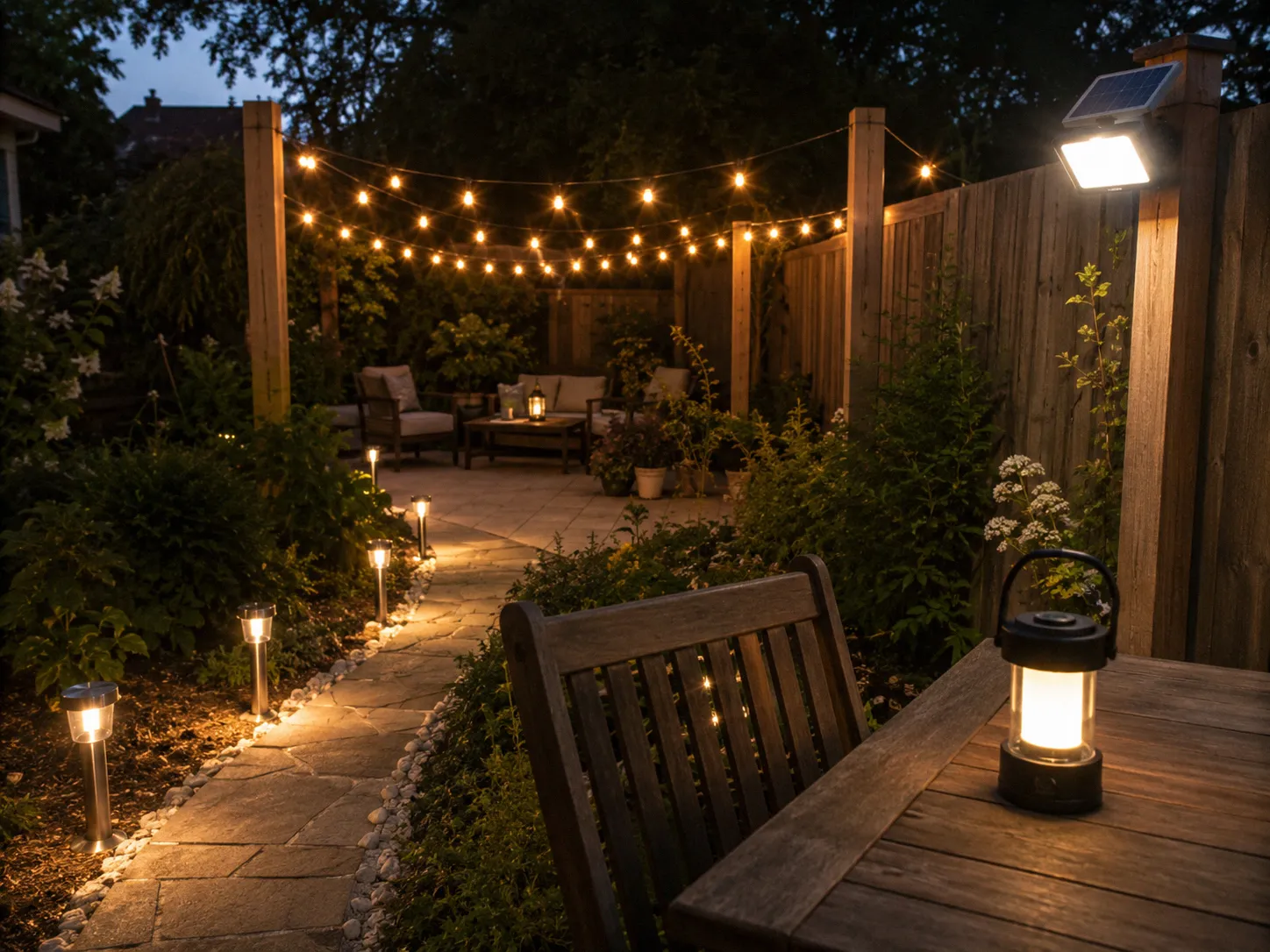
Premium options with stainless steel stakes and cast aluminum housings push that to 5 or 6 years with one battery replacement. Budget plastic versions rarely survive past 12 months because their thin housings crack under sustained UV exposure and allow water into the electrical compartment.
Flood and Security Lights
Solar flood and security lights generally outlast smaller fixtures because they use higher-capacity batteries and heavier-duty construction. Quality units with motion sensors last 3 to 7 years under normal conditions.
Motion activation helps with lifespan since the LED only runs at full power when it detects movement. Dusk-to-dawn units drain the battery harder every night, which can shave 1 to 2 years off functional life compared to motion-activated models.
String and Decorative Lights
Outdoor string lights and decorative solar fixtures face unique challenges that larger fixtures avoid. Thin wiring, compact solar panels, and small battery compartments limit their average lifespan to 1 to 3 years.
The solar panel on most string light sets is too small to fully charge the battery during shorter winter days or overcast stretches. That incomplete charging wears the battery down faster, often well before the LEDs show any wear.
Solar Lanterns and Camping Lights
Portable solar lanterns built for camping and outdoor recreation typically last 2 to 5 years. Their compact rechargeable cells handle fewer total charge cycles than the larger batteries found in fixed residential installations.
Storage habits play an outsized role. A lantern left fully discharged in a hot garage for months loses significant battery capacity permanently, while one stored at roughly 50% charge in a cool, dry spot retains its performance far longer.
Lifespan at a glance:
- Pathway and garden lights: 2–6 years
- Flood and security lights: 3–7 years
- String and decorative lights: 1–3 years
- Solar lanterns and camping lights: 2–5 years
Three Components That Control Solar Light Lifespan
Every solar light runs on the same three core parts. Knowing which one gives out first, and why, helps you get the most life out of whatever fixture you buy.
Rechargeable Batteries
The battery is almost always the first thing to go. Each nightly charge-discharge cycle chips away at its maximum capacity, and after hundreds of cycles that slow decline starts showing up as dimmer output and shorter runtimes.
Standard rechargeable batteries last 1 to 4 years in a daily-cycling solar light, as Battery University research confirms. Temperature extremes accelerate this. Batteries enduring desert summers above 110°F or northern winters below -10°F lose capacity faster than those in moderate climates.
LED Bulbs
LED chips are the most durable part of any solar light assembly, with quality diodes rated for 25,000 to 50,000 hours and premium chips exceeding 100,000 hours. According to the U.S. Department of Energy, that translates to well over a decade of nightly eight-hour use.
When a solar light grows dim, the LED is almost never to blame. It’s nearly always the battery. It just can’t deliver enough stored energy to drive the diode at full brightness anymore.
Solar Panels
Photovoltaic cells degrade slowly and predictably, losing roughly 0.5% to 1% of their original charging efficiency per year. Even after a full decade of continuous outdoor exposure, a quality panel still retains about 90% of its output capacity.
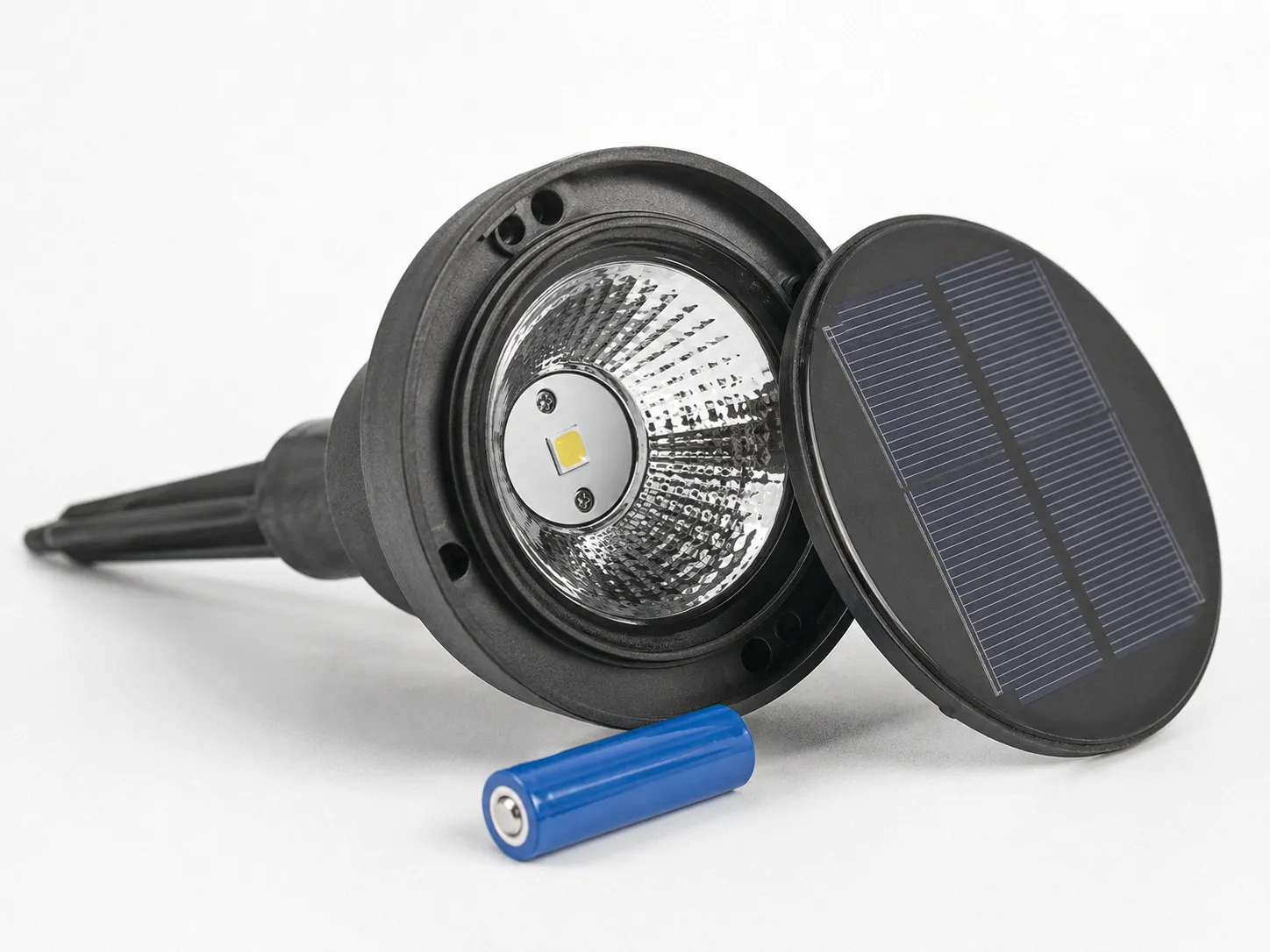
The far bigger threat is surface contamination. Pollen, tree sap, bird droppings, and hard water mineral deposits block sunlight from reaching the cells, reducing charging ability by 20% to 30%. Regular cleaning eliminates this problem entirely.
Battery Chemistry and How It Affects Longevity
More than anything else, the type of rechargeable battery inside your solar light determines how long the whole fixture will last. Four chemistries dominate the market, and the differences in durability and cost are substantial.
| Battery Type | Typical Lifespan | Charge Cycles | Cost Level | Best Application |
|---|---|---|---|---|
| NiCd (Nickel-Cadmium) | 1–2 years | 500–1,000 | Low | Disposable budget lights |
| NiMH (Nickel-Metal Hydride) | 2–3 years | 500–1,500 | Low–Mid | Mid-range pathway and garden lights |
| Li-ion (Lithium-Ion) | 3–5 years | 1,000–2,000 | Mid | Flood lights and security fixtures |
| LiFePO4 (Lithium Iron Phosphate) | 7–15 years | 2,000–5,000+ | High | Premium commercial and residential lights |
NiCd is the oldest and cheapest battery technology you’ll still find in solar lights. These cells suffer from a memory effect. Repeated partial discharges gradually shrink usable capacity, and they tend to fail earlier and more noticeably than newer chemistries.
NiMH cells improved on the NiCd design by mostly eliminating the memory effect and handling cold weather a bit better. They’re the most common battery in mid-range solar lights and offer a decent balance of cost and longevity for residential use.
Lithium-ion packs store more energy per gram than any nickel-based alternative and resist degradation across more charge cycles. They also maintain steadier voltage throughout each discharge, which keeps LED brightness consistent across the night rather than dimming toward morning.
LiFePO4 represents the premium tier of solar light batteries. These cells tolerate temperature extremes from -4°F to 140°F, handle thousands of deep discharge cycles without meaningful capacity loss, and maintain stable output for 7 to 15 years. That durability is exactly why commercial solar street lighting systems worldwide rely almost exclusively on LiFePO4.
How Weather and Climate Shorten Solar Light Lifespan
Your solar lights sit outside through everything: blazing summers, freezing winters, rain, wind, all of it. What wears them down fastest depends on where you live.
Heat and UV Damage
Sustained temperatures above 100°F speed up chemical reactions inside lithium and nickel batteries, permanently reducing storage capacity. A battery rated for 2,000 charge cycles at 77°F might deliver only 1,200 usable cycles in a consistently hot environment like southern Arizona or central Texas.
UV radiation attacks the housing independently of heat, causing plastic without UV-stabilized compounds to become brittle within 12 to 18 months. Fixtures in hot climates benefit from placement where they receive direct morning sunlight but get partial shade during the harshest midday and afternoon hours.
Cold, Snow, and Moisture
Freezing temperatures temporarily reduce battery voltage and output. Repeated freeze-thaw cycles stress solder joints, seals, and gaskets over successive winters, gradually opening pathways for moisture.
Snow accumulation blocks the panel entirely and can leave the battery deeply discharged for weeks. Deep discharge below the battery’s safe minimum voltage causes permanent chemical damage that no amount of subsequent charging can reverse.
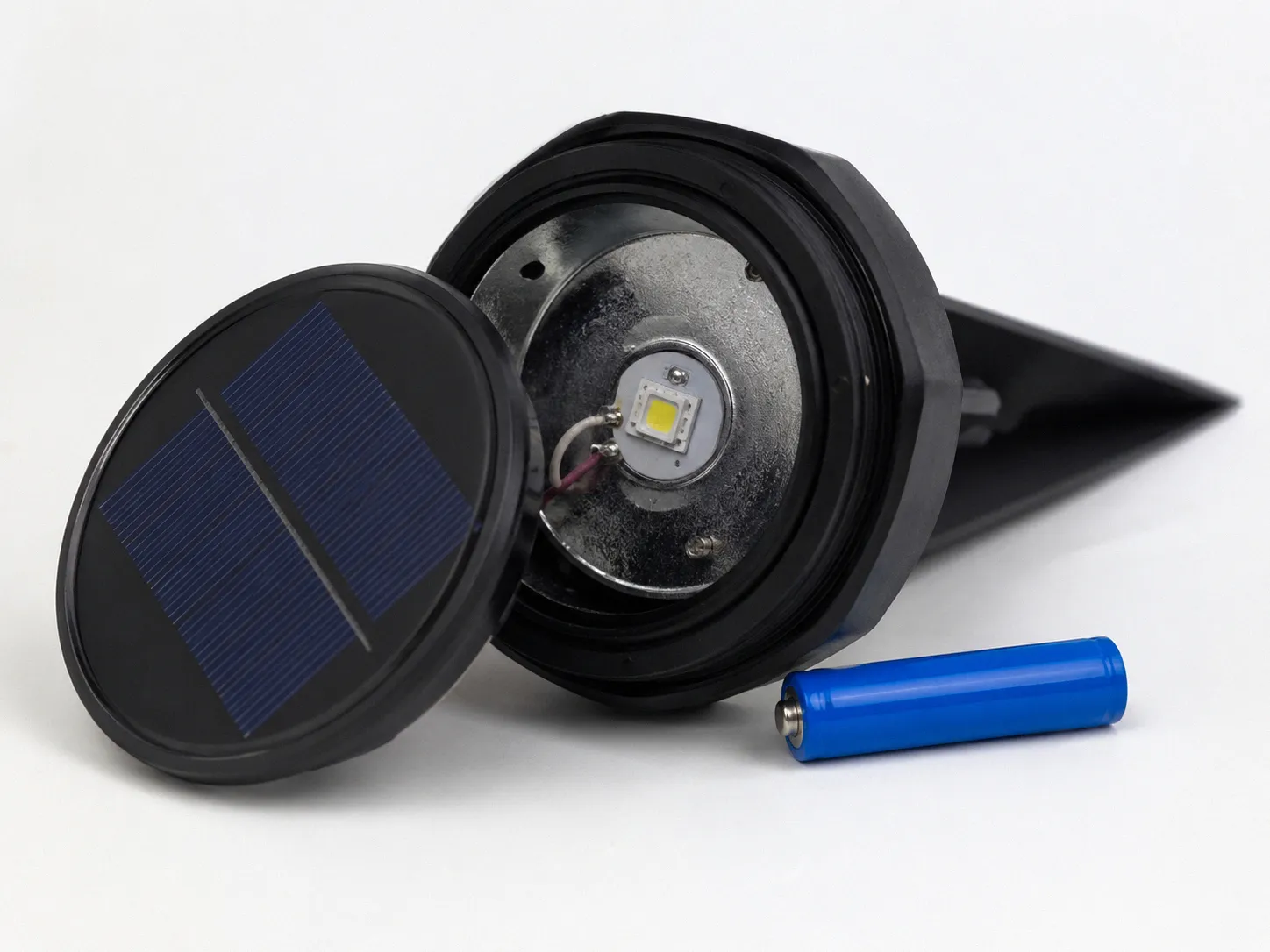
Moisture is the most destructive force of all. Water that gets past a compromised seal or a housing rated below IP65 corrodes circuit board traces, battery terminals, and wire connections. Once that corrosion reaches critical junctions, the fixture is done even if each part would otherwise still work.
In coastal areas, salt spray compounds the moisture problem by eating through exposed metal on mounting hardware, brackets, and battery contacts faster than typical inland environments.
Do Solar Lights Charge on Cloudy Days?
Yes, but at roughly 10% to 25% of their full-sun capacity. Overcast skies still deliver diffuse UV light that reaches the panel, so the battery charges, just much more slowly.
Expect noticeably shorter runtimes after consecutive cloudy days, especially with smaller panels found on string lights and pathway fixtures.
Five Signs Your Solar Light Needs Attention
Spotting problems early lets you fix something small before it turns into a dead light. These five warning signs are the ones you’ll run into most often.
1. Noticeably dimmer output. When a light that once illuminated a 10-foot radius now barely covers 3 feet after a full day of direct sun, the battery has lost significant capacity. This gradual dimming is the earliest and most common indicator of age-related decline.
2. Runtime drops below four hours. A healthy solar light receiving adequate direct sunlight should illuminate for at least six to eight hours each night. Consistently short runtimes point to either a battery approaching end of life or a panel too dirty to deliver a full daily charge.
3. Flickering or intermittent operation. Flickering almost always signals a battery that can no longer hold stable voltage under load, or a loose connection at the battery terminal. Remove the battery and check both the cell contacts and the fixture terminals for white or green corrosion buildup.
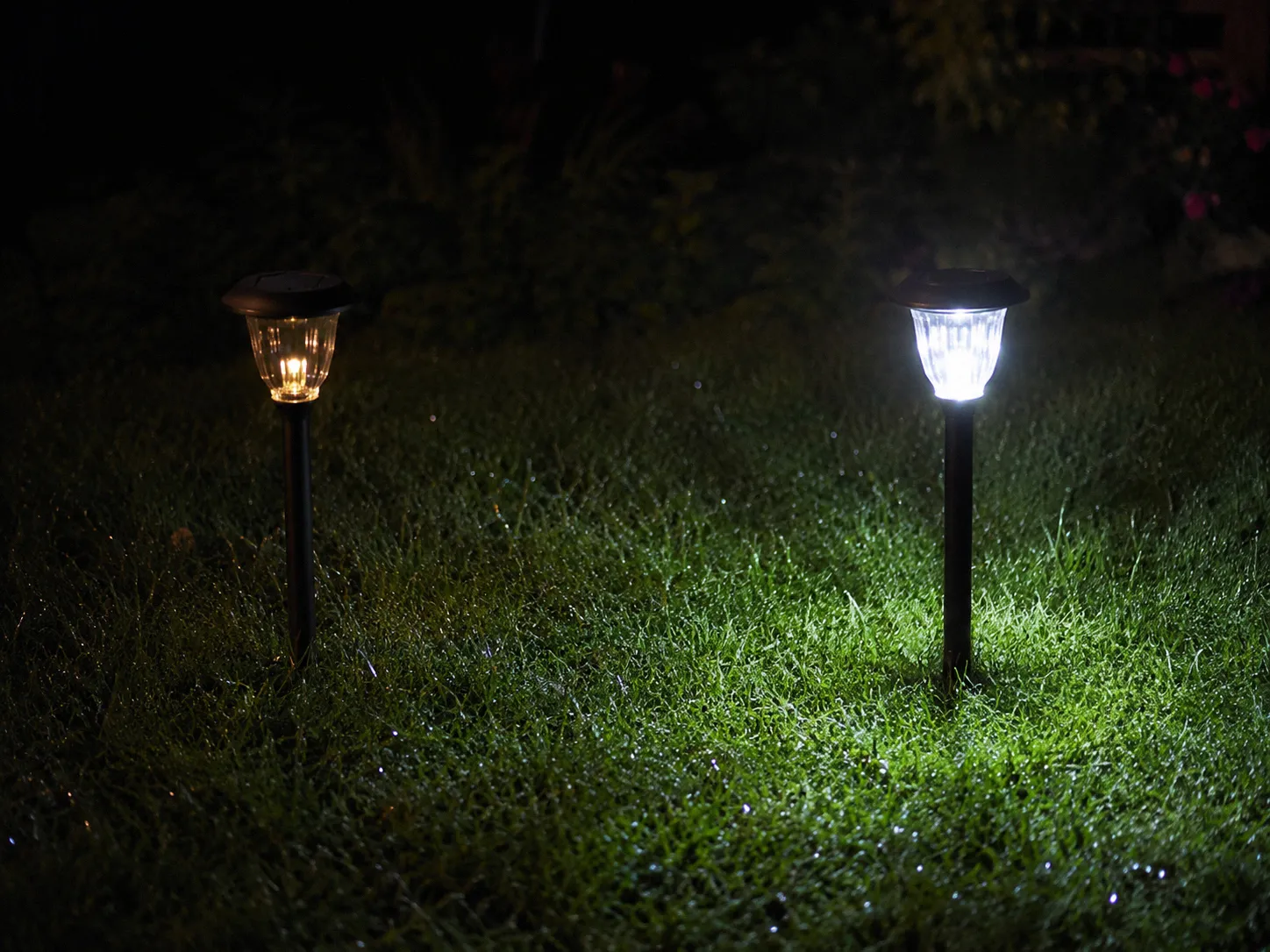
4. Failure to turn on at all. If a light gets full sun all day but never turns on at dusk, the battery may be completely dead or the charging circuit may have failed. Pop in a known-good replacement battery of the same type and voltage to test. If it works, the old one just needs swapping out.
5. Visible housing damage. Cracks, deep yellowing, warped seams, or loose lens covers all compromise the fixture’s moisture seal. Once that seal is broken, water hits the circuit board, corrosion spreads fast, and you’ll want to repair or replace the fixture before the next heavy rain.
Can You Revive Old Solar Lights?
Often, yes. Start by replacing the rechargeable battery with a fresh cell of the same type and voltage. This alone fixes roughly 80% of “dead” fixtures.
Clean the panel with a damp cloth, check for corroded terminals, and leave the fixture in direct sun for 2 to 3 full days before judging the results. If brightness and runtime don’t improve after a new battery and thorough cleaning, the charging circuit has likely failed and the fixture needs replacing.
How to Make Your Solar Lights Last Longer
Four free habits (cleaning panels, replacing batteries early, optimizing placement, and storing portables during storms) add years to any fixture.
A little routine upkeep goes a long way. These four habits cost nothing and directly tackle the most common reasons fixtures die early.
Clean Solar Panels Every Two to Four Weeks
Wipe each panel surface with a damp microfiber cloth to remove dust, pollen, and organic debris. Even a thin film of accumulated grime can reduce charging efficiency by 15% to 25%, meaning the battery never reaches a full charge and works harder every night as a result.
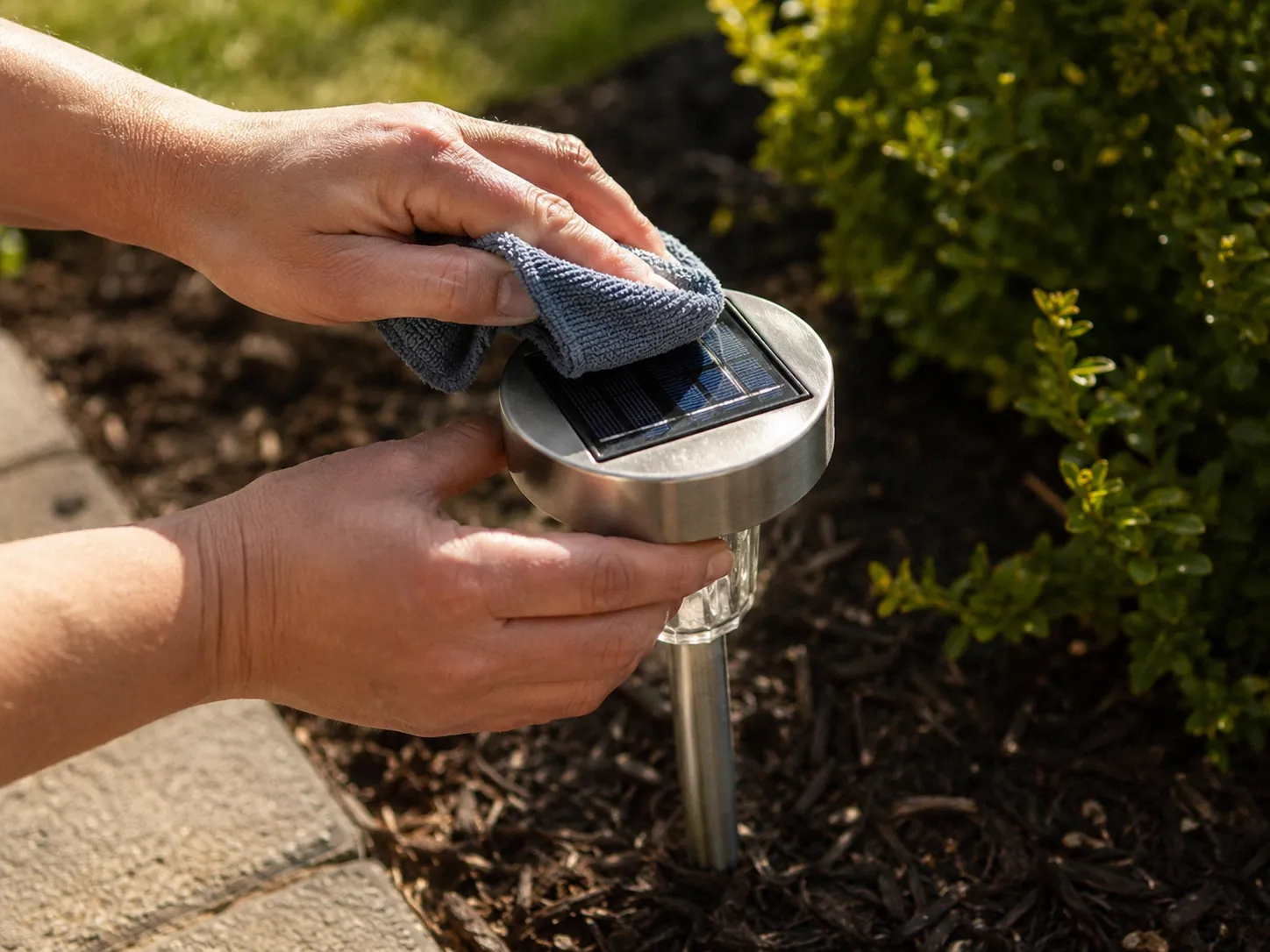
For stubborn residue like tree sap or hard water mineral spots, use a mild dish soap solution with warm water. Avoid abrasive cleaners or rough paper towels that could scratch the panel’s protective coating and permanently reduce light transmission.
Replace Batteries at the First Sign of Decline
Swap the rechargeable battery as soon as you notice shorter runtimes or dimmer output, not after the light goes dark. Running a battery to absolute zero repeatedly causes irreversible chemical damage and reduces the total number of usable charge cycles remaining.
Most fixtures use standard AA or AAA NiMH batteries that cost $2 to $5 each. Even premium fixtures with proprietary lithium packs cost only $10 to $15 to replace, far less than a new fixture.
Position Lights for Maximum Direct Sunlight
Solar panels need 6 to 8 hours of direct, unshaded sunlight daily to fully charge the battery. Dappled shade, building shadows, and north-facing placement all reduce charging time and leave the battery chronically undercharged.
South-facing positions capture the most sunlight throughout the day in the Northern Hemisphere. Recheck your light positions each spring and fall because the sun angle shifts with the seasons and trees grow new canopy that may shade a previously open spot.
A quick test: if the panel faces south and gets unobstructed sun from roughly 9 a.m. to 3 p.m., the placement is solid.
Store Portable Lights During Extreme Weather
Bringing removable solar lanterns and string lights indoors during severe cold, hurricanes, or multi-day blizzards protects both housing and battery chemistry. Store them at roughly 50% charge in a temperature-stable location to minimize self-discharge damage.
Fixed installations benefit from active attention after extreme weather. Clear snow from panels promptly, inspect housing seals after high winds, and check battery compartments for moisture if the fixture endured heavy sustained rain.
When to Replace the Battery vs. the Entire Light
If the housing is intact and no corrosion is visible, swapping the battery is almost always the smarter move.
Throwing away a $40 solar light because a $4 battery died wastes money. But pouring replacement batteries into a fixture with a cracked housing or corroded circuit board is equally wasteful.
Replace just the battery when:
- The housing, solar panel surface, and LED all appear physically intact
- The light worked at full brightness before the battery gradually lost capacity
- No visible corrosion exists on the battery terminals or internal wiring
- The fixture is under 5 years old and remains structurally sound
Replace the entire fixture when:
- Housing cracks, deep warping, or delamination have compromised the moisture seal
- Green or white corrosion has spread beyond the terminals to the circuit board or wiring
- The solar panel surface is deeply scratched or shows visible delamination between layers
- The fixture has already gone through two or more battery replacements over 6-plus years
- Multiple components show simultaneous failure symptoms
A single battery swap restores most solar lights to near-original brightness. Investing in a quality solar light upfront and replacing its battery every 2 to 4 years lets one fixture deliver 8 to 10 years of dependable illumination for a fraction of the cost of repeated replacements.
What to Look for When Buying Long-Lasting Solar Lights
Three specs tell you whether a solar light is built to last or headed for the trash within a year. Check all three before you buy.
IP65 rating or higher. The Ingress Protection rating quantifies how well a fixture resists dust and water. IP65 guarantees complete dust sealing plus protection against water jets from any direction, while IP67 adds submersion resistance. Anything below IP65 is unsuitable for permanent outdoor use in climates with regular rainfall.
Lithium-ion or LiFePO4 battery. Avoid fixtures with NiCd cells. Lithium-ion batteries last roughly twice as long as nickel-based alternatives and maintain steadier voltage through the night. LiFePO4 costs more upfront but delivers 3 to 5 times the total charge cycles of standard lithium-ion, making it the clear choice for anyone keeping their lights more than a few years.
Metal or UV-stabilized polycarbonate housing. Die-cast aluminum and marine-grade stainless steel resist UV degradation, impact damage, and corrosion far better than commodity ABS plastic. If the fixture uses a plastic body, verify that the manufacturer specifically labels it as UV-stabilized polycarbonate rather than generic weather-resistant plastic.
Separable or adjustable panels are a nice bonus. They let you put the charger in full sun while mounting the light under an eave. Motion sensors conserve battery power, and a manufacturer warranty of 2+ years usually signals solid components.
Frequently Asked Questions
Do solar lights work during winter?
Yes, but expect reduced runtime. Shorter daylight hours provide less charging time, and cold temperatures temporarily lower battery voltage output. Snow blocks charging entirely until cleared, so brushing it off regularly and angling panels toward the low winter sun helps maintain performance through colder months.
Can I use standard rechargeable batteries in solar lights?
You can substitute standard NiMH rechargeable batteries of matching size and voltage in most fixtures, but never use non-rechargeable alkaline cells. They can’t handle daily charge-discharge cycling and may leak or rupture. Match the milliamp-hour rating from the original specifications for optimal performance and runtime.
Why do brand-new solar lights only stay on for a couple of hours?
New solar lights typically ship with minimal factory charge intended for retail display testing, so they need 2 to 3 full days of direct sun exposure before the battery reaches its true capacity. If runtime stays below six hours after three complete charging days, recheck the panel for hidden shade and confirm you removed the protective plastic film from the surface.
Is it worth buying expensive solar lights over cheap ones?
Almost always, yes. A $40 fixture with a lithium-ion battery, IP65 housing, and quality LEDs can easily last 5 to 8 years with one battery replacement.
A $10 fixture with NiCd batteries and thin plastic housing typically dies within a year. Over five years, the budget buyer spends $50 on five replacements while the quality buyer spends $45 total for the original light plus one battery swap.
Final Thoughts
How long your lights last really comes down to three things you control: what you buy, where you put them, and whether you bother maintaining them. Budget lights with no upkeep last months.
Quality fixtures with regular panel cleaning and timely battery swaps? They’ll light your yard for a decade.
The price gap between a throwaway solar light and a durable one is usually $15 to $30. Spread that across 5 to 10 years of use, and you’re paying pennies per night for light that actually works.