 SolarPowerNerd
 roundup
 7 Best Solar Rucksacks of 2026: Wattage, Comfort, and Charging
7 solar rucksacks rated on panel wattage, pack comfort, and real-world phone charging speed. Find the best pick for hiking or daily commuting in 2026.
Camping solar panels, portable power stations, solar backpacks, and off-grid gear reviewed and compared.

We may earn a small commission through links on this page, at no extra cost to you. As an Amazon Associate, we earn from qualifying purchases. Ratings reflect our own editorial evaluation.
Solar power and the outdoors are a natural fit. You're already in the sun. Your phone, GPS, camera, headlamp, and portable speaker all need power. And the nearest outlet might be a three-day hike away.
The outdoor solar market has evolved well past the flimsy panels that barely charged a flip phone in 2012. Today's portable solar gear includes folding panels that charge a dead smartphone in two hours, power stations that run a 12V fridge for days, and solar lanterns that weigh less than a granola bar.
This guide covers every category of solar outdoor gear worth considering, from backpacking ultralight panels to overland vehicle setups. We break down what works in real field conditions -- not just the lab specs that sellers put on the box -- and help you build a solar kit matched to how you actually use the outdoors.
Most outdoor enthusiasts start with a single foldable panel or a solar lantern and scale up from there. Once you realize you can keep your devices charged on a week-long trip without hauling spare battery packs, the shift away from disposable power is permanent.
Solar for the outdoors encompasses any portable, rugged solar-powered product designed for use in camping, hiking, backpacking, overlanding, boating, fishing, hunting, and general outdoor recreation. These products convert sunlight into electricity in environments where grid power doesn't exist.
The defining characteristics that separate outdoor solar gear from residential solar are portability, durability, and weight. Outdoor solar products are built to fold, roll, or compress for transport, withstand rain, dust, drops, and UV exposure, and deliver useful power output relative to their pack weight.
Performance expectations differ too. A rooftop solar panel sits in one optimized position all day. An outdoor panel gets draped over a backpack, hung from a tree branch, or propped against a rock. It deals with constantly changing angles, partial shade from tree canopy, and intermittent cloud cover. Good outdoor solar gear is engineered for these imperfect conditions.
Six categories cover the outdoor solar market: foldable solar panels, solar power banks, solar lanterns, solar camping gadgets, vehicle-mounted solar systems, and solar backpacks.
The workhorse of outdoor solar. These panels fold into compact packages for transport and unfold to expose 2-6 panels of monocrystalline cells. Wattage ranges from 10W for ultralight backpacking panels to 200W+ for base camp and vehicle charging setups.
For backpacking, a 10-15W panel weighing under a pound keeps a phone and GPS topped up without meaningful pack weight. For car camping and overlanding, 60-100W panels charge power stations fast enough to run lights, fans, and a 12V fridge through multi-day trips.
The best outdoor panels include integrated USB ports with smart charging ICs, grommets or carabiners for hanging, and kickstands for ground positioning. Water resistance is essential -- look for IPX4 at minimum, IPX5 or higher for foul-weather reliability.
Portable battery packs with small built-in solar panels. Capacity ranges from 10,000mAh to 30,000mAh. These are battery banks first, solar devices second -- the built-in panel is too small to fully recharge the battery from sun alone in a practical timeframe. Think of the solar panel as an emergency trickle charger, not the primary charging method.
That said, a 20,000mAh solar power bank charged via USB before your trip and topped up with solar during the day extends your off-grid time significantly. The best models include multiple USB outputs, LED flashlights, and rugged waterproof housings rated for outdoor abuse.
Inflatable solar lanterns like MPOWERD Luci and collapsible solar camping lights have replaced battery-powered and fuel-burning lanterns for most outdoor users. A full day of sun provides 6-12 hours of ambient light at 75-150 lumens -- enough to illuminate a tent interior or campsite dinner area.
The weight advantage is significant. An inflatable solar lantern weighs 3-5 ounces and packs flat. A comparable battery lantern weighs 8-16 ounces plus the weight of spare batteries. Over a multi-day trip, that difference compounds.
Solar-powered radios, solar showers, solar-charged headlamps, solar insect repellers, and solar water purifiers. These purpose-built devices integrate solar panels for indefinite field operation without battery replacement.
A solar emergency radio with hand crank backup (brands like Kaito and Eton) is a staple for backcountry preparedness. Solar camp showers use dark-colored bags that absorb solar heat to warm water to a comfortable 100-110F within 3-4 hours of direct sun.
Rigid and flexible solar panels permanently mounted on RV roofs, van tops, truck canopies, and boat decks. These systems charge onboard battery banks that power everything from interior lights and fans to refrigerators and inverters for AC power.
A typical van or RV setup runs 200-400W of panel capacity with 100-200Ah of lithium battery storage. That combination supports weekend and week-long trips with moderate power usage -- running a compressor fridge, charging devices, operating a ventilation fan, and powering LED lights -- without needing shore power or a generator.
Backpacks with integrated solar panels that charge devices while you hike. Panel sizes range from 6W to 14W, generating enough power to keep a phone charged through a full day of trail movement. The panels are built into the pack's exterior fabric and connect to an internal USB port.
The practical limitation is that backpack panels are small and angle-dependent. You get useful charging when the sun hits the pack directly, but output drops when you turn, enter shade, or wear a rain cover. They're a supplement, not a primary power source -- pair with a power bank for reliable all-day charging.
Unlimited free power in the field, significant weight savings over batteries, silent operation, zero waste, and independence from supply runs. Solar makes extended outdoor trips practical in ways that disposable batteries and fuel never could.
As long as the sun rises, your solar gear recharges. A week-long backpacking trip with a 15W panel and 10,000mAh power bank gives you reliable phone, GPS, and headlamp power every day without carrying extra batteries. Try doing that with disposable AAs -- you'd need a pound of batteries for the same runtime.
Solar panels weigh ounces and charge indefinitely. Spare battery packs weigh ounces each but have a finite number of charges. On trips longer than 2-3 days, solar's weight advantage compounds: one 7-ounce panel replaces multiple battery packs that would add 1-3 pounds to your pack.
Gas generators are banned at many campgrounds, national parks, and wilderness areas. Solar runs silently and produces nothing but clean electricity. No fumes, no noise complaints, no fire risk from fuel storage.
One outdoor enthusiast switching from disposable batteries to solar eliminates 50-100+ batteries per year from the waste stream. Add in reduced generator fuel consumption for RV and car camping, and the environmental benefit scales with usage.
Portable solar panels convert sunlight to DC electricity through photovoltaic cells. That power either charges a device directly via USB or flows through a charge controller into a battery bank for stored use. The panel, charge controller, and battery form a simple circuit -- sunlight in, regulated power out.
Panel angle relative to the sun matters more in portable applications than in fixed installations. A panel lying flat on the ground can lose 30-40% of potential output compared to the same panel angled perpendicular to the sun. Propping panels with kickstands, hanging them at an angle from a tree, or leaning them against a rock makes a measurable difference in charging speed.
Charge controllers in portable solar devices prevent overcharging and optimize power extraction. MPPT controllers get the most power from the panel at any given light level, while simpler PWM controllers are cheaper and lighter but less efficient. For panels under 30W, the efficiency difference is small. For 100W+ setups, MPPT controllers deliver noticeably faster charging.
USB output regulation is critical for device safety. Quality portable panels include voltage regulation that delivers stable 5V USB or 9-20V USB-C PD output regardless of fluctuating sunlight. Budget panels without proper regulation can deliver voltage spikes or drops that damage sensitive electronics.
Solar beats disposable batteries on weight and sustainability for trips longer than 2-3 days. It beats generators on noise, portability, and campground compliance. Traditional power still wins on reliability in bad weather.
| Feature | Solar | Disposable Batteries | Battery Packs | Gas Generator |
|---|---|---|---|---|
| Weight (for 7-day trip) | 7-16 oz | 1-3 lbs | 8-32 oz | 20-50 lbs |
| Runtime | Unlimited (with sun) | Fixed | Fixed | Fuel-dependent |
| Noise | Silent | Silent | Silent | 50-80 dB |
| Weather Dependent | Yes | No | No | No |
| Waste Generated | None | High | None (short-term) | Emissions + fuel waste |
| Campground Allowed | Yes | Yes | Yes | Often restricted |
| Cost Per Trip | $0 (after purchase) | $5-20 | $0.05-0.15/charge | $10-30 fuel |
| Reliability | Weather-dependent | High | High | High |
The smart approach for most outdoor users is a hybrid: carry a pre-charged power bank for guaranteed baseline power and pair it with a solar panel for indefinite recharging capability. This covers both cloudy days (bank provides power) and extended trips (solar keeps the bank topped up).
Match the gear to your activity type, trip length, power needs, and weight tolerance. Backpackers prioritize ultralight panels. Car campers can afford heavier, higher-wattage setups. Overlanders need rugged, permanently mounted systems.
Keep panel weight under 1 pound. A 10-15W foldable panel at 7-12 ounces paired with a 5,000-10,000mAh power bank covers phone, GPS, headlamp, and camera charging for multi-day treks. Look for panels with built-in USB ports to eliminate cable adapters.
Weight matters less when you drive to camp. A 60-100W foldable panel paired with a 300-500Wh power station runs lights, fans, a phone charger, a Bluetooth speaker, and charges devices for a full weekend without plugging in. Solar recharges the power station during the day for multi-day capability.
Permanent roof-mounted panels (200-400W) with lithium battery banks (100-200Ah) and MPPT charge controllers. This setup supports daily use of a 12V compressor fridge, LED lighting, ventilation, phone and laptop charging, and occasional use of small AC appliances through an inverter.
Waterproof panels rated IPX7 or higher. Marine-grade mounting hardware. Salt-resistant connectors. Brands like Goal Zero and Renogy offer marine-specific solar kits designed for the corrosion and moisture exposure that boats, kayaks, and paddleboards dish out.
The outdoor-proven names: Goal Zero, BioLite, MPOWERD, Anker, Jackery, and BigBlue.
Goal Zero has the deepest outdoor solar heritage, with products designed by and for the adventure community. Their Nomad panels and Yeti power stations are the standard for backcountry and overland solar. Premium pricing but built for real field abuse.
BioLite brings a unique approach with products like the SolarPanel 10+ that includes an integrated sundial for optimal angle positioning and a built-in battery for steady output during intermittent sun. Their CampStove, which generates electricity from fire, complements their solar lineup for bad-weather backup.
MPOWERD makes the Luci line of inflatable solar lanterns -- the most popular solar camp lights in the outdoor market. Their Luci Base, Luci Pro, and Luci Solar String Lights cover lighting needs from ultralight backpacking to car camping ambiance.
Anker's portable solar chargers (Solix series) deliver strong performance at competitive prices. Their 625 Solar Panel is a reliable mid-range foldable that pairs well with any USB-charged device or Anker power bank.
BigBlue targets budget-conscious outdoor users with foldable panels that punch above their price point. Their 28W 3-USB panel is a consistent recommendation for car campers and festival-goers who need multiple device charging.
Outdoor solar gear needs proper positioning, protection from damage, and basic cleaning. A few field habits make the difference between reliable power and a disappointing charge.
Quick field reference:
Angle panels perpendicular to the sun for maximum output. Reposition 2-3 times per day as the sun moves. Even a 20-degree adjustment can increase output by 10-15%. Reflective surfaces like water, snow, and light-colored ground increase ambient light hitting the panel.
Avoid placing panels on hot surfaces. Solar cell efficiency drops as temperature rises -- a panel sitting on a black rock in direct sun produces less than the same panel elevated on a pack or hung in a slight breeze. Air circulation under the panel helps maintain efficiency.
Fold panels along their designed fold lines only. Bending cells or creasing flexible panels at unintended points damages the cells permanently. Store panels in protective sleeves during transport. Keep connectors dry and free of sand and dirt -- dirty connections cause charging failures.
Lithium batteries charge slowly or not at all below 32F (0C). Warm your power bank in a jacket pocket or sleeping bag before solar charging in cold conditions. Panels themselves work fine in cold weather -- cold air actually increases cell efficiency. The limitation is the battery, not the panel.
Yes, with the right setup. You need a panel rated 60W or higher with USB-C PD output at 45-65W, or a panel connected to a power station with an AC outlet. Smaller panels can charge a laptop through a power station, but direct panel-to-laptop charging requires higher wattage for practical charging speeds.
For phone and small device charging only: a 15-20W panel and 10,000mAh power bank. For phone, lights, speaker, and camera: a 30-60W panel and 20,000-40,000mAh power bank or small power station. For a fridge, lights, fan, and multiple devices: 100W+ panel and 500Wh+ power station.
Partially. Dappled sunlight through tree canopy reduces panel output to 20-50% of rated capacity. Find clearings, south-facing slopes, or riverbanks for better exposure. Even partial shade on one cell of a panel can reduce the entire panel's output due to how cells are wired in series.
For keeping a phone topped up during daytime hiking, yes. For charging larger devices or providing primary camp power, no. The small panel size (6-14W) and variable sun angle during hiking limit real-world output. They're best as a supplemental charging method alongside a power bank.
A 10-15W foldable panel (7-12 oz) paired with a 10,000mAh power bank (6-8 oz). Total system weight under 1.5 pounds. Clip the panel to the outside of your pack during hiking to charge the power bank passively. This setup keeps phone, GPS, and headlamp powered for weeks of continuous trail time.
Solar has become essential outdoor gear, not optional. The weight savings, unlimited runtime, zero waste, and campground compliance make it the most practical power source for everything from a weekend car camp to a months-long thru-hike.
Match your solar setup to your activity. Backpackers need ultralight panels and small power banks. Car campers want higher-wattage panels and power stations. Overlanders build permanent roof-mounted systems. Start with one piece of solar gear, prove it in the field, and build from there. The sun isn't going anywhere.
roundup 7 solar rucksacks rated on panel wattage, pack comfort, and real-world phone charging speed. Find the best pick for hiking or daily commuting in 2026.
 roundup
 10 tattoo sunscreens tested on SPF strength and water resistance. Protect fresh and healed tattoos from UV damage that fades color and breaks down fine detail.
 roundup
 10 UPF-rated sun gloves compared for UV coverage, breathability, and grip. Best picks for gardening, cycling, or fishing without sacrificing dexterity in 2026.
 roundup
 10 reef-safe surfing sunscreens rated on water resistance, zinc oxide content, and SPF hold. Find a formula that stays on through wipeouts and long sessions.
 roundup
 We reviewed 10 solar fabric canopies for UV blocking, portability, and panel wattage. Find the best shade structure that charges your devices outdoors.
 roundup
 10 sunscreens for bald heads tested on grease, shine, and UV protection. Find a formula that absorbs fast, protects exposed scalps, and never looks shiny.
 roundup
 We compared 10 RV solar kits on wattage, charge controller type, and daily output. Best picks for weekend campers and full-time road dwellers going off-grid.
 roundup
 We compared 10 UPF-rated sun hoodies for men on breathability, moisture wicking, and UV coverage. See which ones earn top marks for fishing, hiking, and work.
 roundup
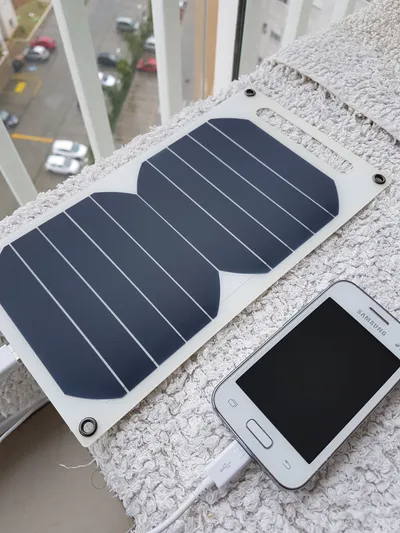
 10 solar power banks for camping compared on mAh capacity, charge speed, and rugged durability. Find the best option for keeping devices alive on long trips.
 roundup
 10 marine solar panel kits compared on wattage, charge controller type, and saltwater durability. Find the right kit for sailboats, powerboats, and cruisers.
 roundup
 10 solar patio umbrellas rated on LED brightness, canopy size, wind resistance, and tilt. Light up outdoor dining without cords or extra wiring in 2026.
 roundup
 10 solar products for van life rated on wattage, mounting options, and battery compatibility. Gear ranked for full-time and weekend van dwellers in 2026.