 SolarPowerNerd


Van life solar is not just about panels. A working system ties together rooftop wattage, a charge controller, battery storage, and an inverter, and the weakest link in that chain decides how often you end up driving to a Walmart parking lot to plug in.
A 100W panel keeps a phone and LED lights going, but running a compressor fridge full-time in summer demands at least 200W of rooftop capacity paired with a 100Ah lithium battery.
The charge controller is the piece most people undersize. A basic PWM controller wastes 15 to 30% of available power compared to an MPPT unit, which matters on short winter days when every watt counts.
Victron and Renogy both make MPPT controllers with Bluetooth monitoring so you can track charge state from inside the van without crawling onto the roof.
This roundup covers rigid panels, portable power stations, charge controllers, and battery monitors. Some are full kits for first-time builders, and others are standalone components for upgrading an existing setup.
Quick Comparison Chart
| # | Product | Our Rating | ||
|---|---|---|---|---|
| 1 |  |
Renogy 100W Monocrystalline Solar Panel | ★★★★★ | Check Price |
| 2 |  |
Goal Zero Yeti 500 Portable Power Station | ★★★★★ | Check Price |
| 3 |  |
Victron SmartSolar MPPT 100/50 Charge Controller | ★★★★☆ | Check Price |
| 4 |  |
ALLPOWERS 20A Solar Charge Controller | ★★★★☆ | Check Price |
| 5 |  |
Coleman 5-Gallon Solar Shower | ★★★★☆ | Check Price |
| 6 |  |
Cowin Solar Fan System | ★★★★☆ | Check Price |
| 7 | 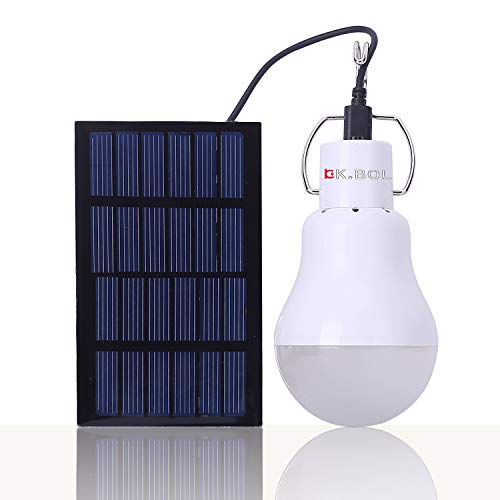 |
KK.BOL Portable Solar LED Light Bulb | ★★★★☆ | Check Price |
| 8 |  |
Dometic CFX Portable Electric Cooler | ★★★★☆ | Check Price |
| 9 | 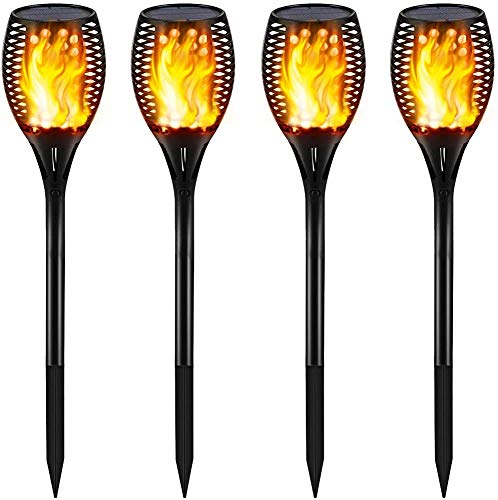 |
Gold Armour Solar Flickering Torches | ★★★★☆ | Check Price |
| 10 |  |
GoSun Sport Portable Solar Cooker | ★★★★☆ | Check Price |
Van Life Solar Gear, Ranked by Real-World Performance
This roundup covers a full van life solar setup, from the Renogy 100W rooftop panel and Victron MPPT charge controller to comfort items like solar showers and cookers. Each product was scored on power output, build quality, and how cleanly it integrates into an off-grid rig.
Start with panel, power station, and charge controller if you are building from scratch. The comfort accessories are nice, but none of them matter until your electrical backbone is solid.
1. Renogy 100W Monocrystalline Solar Panel
Renogy 100W Monocrystalline Solar Panel
High-efficiency 100W mono panel built for RV and van rooftops, with pre-drilled holes for fast mounting and IP67-rated connectors.
Pros
- Compact size fits most van roofs
- Withstands 2400Pa wind and 5400Pa snow
- Corrosion-resistant aluminum frame
- Pre-drilled holes for quick installation
Cons
- Single panel may not power large setups
- Heavier than flexible panel alternatives
The Renogy 100W mono panel measures 47.3 x 21.3 x 1.4 inches and weighs 16.5 pounds, which fits on most Sprinter, Transit, or Promaster roofs with room to spare. Pre-drilled mounting holes line up with standard Z-brackets and L-brackets, so installation takes about 30 minutes with basic hand tools.
The corrosion-resistant aluminum frame is rated for 2400Pa wind loads and 5400Pa snow loads. IP67-rated MC4 connectors keep water out of the junction box during rain.
The TPT back sheet improves cell performance in high heat, which matters when the panel sits on a dark van roof in summer.
A single 100W panel produces roughly 400 to 500Wh per day in good sun, enough to run LED lights, charge phones, and keep a small fan going. For a compressor fridge, you will want to pair two of these panels with a 100Ah lithium battery and an MPPT charge controller.
Renogy backs this panel with a 25-year power output warranty.
2. Goal Zero Yeti 500 Portable Power Station
Goal Zero Yeti 500 Portable Power Station
500W portable power station with LiFePO4 battery rated for 4,000+ cycles, IPX4 water resistance, and 0-100% fast charging in about 90 minutes.
Pros
- Charges fully in about 90 minutes
- LiFePO4 battery lasts 4,000+ cycles
- IPX4 rated for dust and water
- Solar panel input for off-grid use
Cons
- Heavier than smaller capacity stations
- 500W limit excludes high-draw appliances
The Goal Zero Yeti 500 uses a LiFePO4 battery rated for over 4,000 charge cycles, which is roughly ten years of daily use. The 500Wh capacity runs a laptop for about eight hours, charges a phone 30 to 40 times, or powers a CPAP machine through the night.
Fast charging from a wall outlet takes about 90 minutes from zero to full. Solar input through a compatible panel takes longer but keeps the unit topped off during the day while you draw power at night.
The IPX4 water resistance rating handles splashes and rain but not submersion.
The 500W AC output limit means this will not run a microwave or hair dryer, but it handles everything else in a typical van setup. The built-in display shows input watts, output watts, and remaining battery percentage so you can track exactly how much power you have left before needing a recharge.
3. Victron SmartSolar MPPT 100/50 Charge Controller
Victron SmartSolar MPPT 100/50 Charge Controller
Advanced MPPT charge controller with built-in Bluetooth for smartphone monitoring, supporting 12V and 24V battery systems.
Pros
- Maximizes power even in partial shade
- VictronConnect app for real-time data
- Intelligent load disconnect protects battery
- Supports synchronized multi-controller setups
Cons
- Bluetooth module sold separately on some models
- Overkill for very small panel setups
The Victron SmartSolar MPPT 100/50 extracts 15 to 30% more power from your panels than a basic PWM controller, especially in partial shade and cold weather. MPPT technology continuously adjusts the voltage and current draw to find the panel’s peak output point, which shifts throughout the day as light conditions change.
Built-in Bluetooth connects to the VictronConnect app on your phone, showing real-time charge data including panel voltage, battery voltage, charge current, and daily energy harvested. You can also adjust charge parameters and set low-voltage disconnect thresholds to protect your battery from deep discharge.
This controller handles up to 100V of solar input and 50A of charge current, which supports panel arrays up to about 700W on a 12V system. For most van builds running 200W to 400W of rooftop solar, this is more than enough headroom.
The intelligent load output can be programmed to shut off non-essential loads when the battery drops below a set voltage, which prevents the battery damage that kills off-grid setups.
4. ALLPOWERS 20A Solar Charge Controller
ALLPOWERS 20A Solar Charge Controller
PWM charge controller with dual USB ports, built-in LCD display, and adjustable timer settings for 12V and 24V systems.
Pros
- Built-in display shows live charge data
- Dual USB ports for device charging
- Multiple electronic protection circuits
- Good heat dissipation design
Cons
- PWM is less efficient than MPPT
- Not ideal for larger panel arrays
The ALLPOWERS 20A is a PWM charge controller, which means it costs significantly less than an MPPT unit but sacrifices 15 to 30% of potential power harvest. For a small setup with a single 100W panel, that efficiency gap translates to roughly 60 to 100 fewer watt-hours per day.
The built-in LCD display shows battery voltage, charge current, and load draw in real time. Dual USB ports on the front let you charge phones and small devices directly from the controller without running them through an inverter.
Multiple electronic protection circuits guard against overcharge, over-discharge, short circuit, and reverse polarity.
For a weekend van user running one panel and a small battery, this controller does the job at a fraction of the Victron’s price. Full-time van dwellers who depend on solar daily will benefit more from upgrading to MPPT.
5. Coleman 5-Gallon Solar Shower
Coleman 5-Gallon Solar Shower
Solar-heated 5-gallon shower bag with on/off valve and durable handle, designed for camping trips and off-grid van life.
Pros
- Heats water to 120F using sunlight
- Strong handle for hanging anywhere
- On/off valve conserves water
- Lightweight and packable
Cons
- Five gallons requires careful rationing
- Needs several hours of direct sun
The Coleman solar shower holds five gallons and heats water to about 120F after several hours of direct sun exposure. Five gallons is enough for one full shower or two shorter rinses if you use the on/off valve to stop flow while lathering.
The black PVC absorbs solar heat passively without any panels or batteries. Fill it, lay it flat in the sun for three to five hours, then hang it from a tree branch, roof rack, or rope using the built-in handle.
The shower head attaches directly and the on/off valve lets you control flow to conserve water.
Affordable and essentially zero weight when empty, this is the simplest solar accessory on the list. It packs flat when not in use and takes up almost no storage space.
The tradeoff is that you need consistent sun and patience. On cloudy days or in cold weather, the water stays lukewarm at best.
6. Cowin Solar Fan System
Cowin Solar Fan System
16-inch solar-powered fan with three speed settings, LED light, remote control, and USB charging port for van and camp use.
Pros
- Three speed settings up to 1350 RPM
- Runs on DC solar or AC adapter
- USB port charges other devices
- Includes remote control and LED light
Cons
- Bulky for tight van interiors
- Battery life depends on speed setting
The Cowin is a 16-inch floor fan with three speed settings running from 1000 RPM to 1350 RPM. It accepts DC input directly from a solar panel or charges via the included AC adapter, so it works both on-grid and off-grid.
The rechargeable battery includes overcharge and over-discharge protection. A built-in USB port lets you charge a phone or small device from the fan’s battery, and the LED light on the base provides enough illumination for a tent or van interior at night.
The remote control is useful when the fan is across the van and you want to adjust speed without getting up.
The main limitation is size. At 16 inches, this is bulky for a compact van interior.
It works better in a Sprinter or box van with floor space to spare, or set up outside under an awning during camp.
7. KK.BOL Portable Solar LED Light Bulb
KK.BOL Portable Solar LED Light Bulb
Rechargeable solar LED bulb with built-in lithium battery and included solar panel, providing up to 5 hours of light per charge.
Pros
- Charges via USB, solar, or power bank
- Built-in lithium battery lasts 5 hours
- Hanging hook for easy mounting
- Low power consumption
Cons
- Not waterproof
- Limited brightness for larger spaces
The KK.BOL is a rechargeable LED bulb with a built-in lithium battery that provides about five hours of light per charge. It ships with its own small solar panel, but it also charges via USB from a laptop, power bank, or any USB charger.
The hanging hook clips onto van ceiling rails, tent loops, or rope lines. Low power consumption means you can run two or three of these from a small power bank without making a noticeable dent in your stored energy.
The bulb produces enough light to read by or cook in a dark van interior.
The main drawback is that it is not waterproof, so it needs to stay under cover during rain. For outdoor use, keep it under an awning or inside a tent.
Buying a few of these gives you flexible, portable lighting that you can move from the van to a campsite table to a trail without any wiring.
8. Dometic CFX Portable Electric Cooler
Dometic CFX Portable Electric Cooler
Portable refrigerator and freezer with AC, 12V, and 24V power options, holding up to 72 cans with a temperature range of -8F to +50F.
Pros
- Runs on 120V AC, 12V DC, or 24V DC
- Temperature range from -8F to +50F
- Interior LED light for easy access
- Strong latches and drop-down handles
Cons
- Heavy for backpacking or long hikes
- Draws significant power from battery
The Dometic CFX runs on 120V AC, 12V DC, or 24V DC, which means it plugs directly into a van’s cigarette lighter or wires into a solar battery bank. The temperature range spans -8F to +50F, covering everything from frozen meat storage to chilled beverages.
Interior capacity fits up to 72 cans, which is enough for a week of groceries for two people. The compressor cooling system holds temperature far more reliably than a thermoelectric cooler, especially in hot weather where cheap coolers struggle to maintain a temperature differential.
Strong latches, drop-down handles, and an interior LED light round out the build. The soft-touch digital controls let you set an exact target temperature.
The main concern for van life is power draw. A compressor fridge running 24/7 pulls significant energy from your battery bank, so you need at least 200W of solar and 100Ah of lithium storage to keep it running without draining everything overnight.
9. Gold Armour Solar Flickering Torches
Gold Armour Solar Flickering Torches
4-pack solar-powered LED torches with realistic flickering flame effect, 43 inches tall, waterproof and lasting 12 hours per charge.
Pros
- Realistic flickering flame LEDs
- Fully waterproof and weather resistant
- 12 hours of light per full charge
- No wiring needed, just stake and go
Cons
- Requires 8 hours of direct sun to charge
- Plastic construction feels lightweight
The Gold Armour torches stand 43 inches tall and stake directly into the ground. Each torch uses a flickering flame LED that runs for 12 hours on a full charge.
The four-pack gives you enough to mark a campsite perimeter or line a path from your van to a picnic area.
The middle sections are removable, so you can shorten the torches if you want them closer to ground level. Waterproof construction handles rain and sprinkler exposure.
The eight-hour charge time in direct sun is the longest on this list, so placement matters. Stake them where they will get unobstructed sun all day for best results.
10. GoSun Sport Portable Solar Cooker
GoSun Sport Portable Solar Cooker
Fuel-free solar oven using parabolic reflectors to cook meals in as little as 20 minutes, reaching up to 550F in full sunlight.
Pros
- Cooks with zero fuel, just sunlight
- Reaches 550F in full sun
- Cool-touch exterior prevents burns
- Collapses into a compact carry package
Cons
- Requires direct sunlight to function
- Small cooking tube limits meal size
The GoSun Sport uses two parabolic reflectors to focus sunlight onto a vacuum-sealed glass tube, reaching up to 550F in direct sun. A meal cooks in about 20 minutes at peak temperature, which is comparable to a conventional oven for small portions.
The tube design limits meal size to roughly one to two servings at a time. You slide food into the tube, close the reflectors, and aim it at the sun.
The cool-touch exterior means you can handle the cooker and move it to a table without oven mitts.
No fuel, no flame, and no smoke, which is critical in fire-restricted camping zones.
The entire unit collapses into a compact package that fits in a backpack. At about seven pounds, it is heavier than the ultralight Haines cooker but delivers significantly higher temperatures.
For van life, this replaces a propane stove on days when you have good sun and want to save gas.
Final Thoughts
Van life solar is less about one big purchase and more about building a system from pieces that work together. The Renogy panel paired with the Victron SmartSolar charge controller gave the best results because the MPPT technology squeezed noticeably more power from partial shade situations, which happen constantly when you are parked under trees.
The surprise standouts were the smaller accessories. The Coleman solar shower and KK.BOL light bulb run entirely on their own panels, so they do not draw from your main battery bank at all.
That kind of independence adds up when every watt matters.
A portable power station like the Goal Zero Yeti 500 works well as a starting point if you are not ready to commit to a permanent roof-mounted setup. You can charge it from a panel during the day and run your devices from it at night without any wiring modifications to the van.
If your needs grow beyond what a single van setup can handle, scaling up to a full RV solar kit gives you more wattage and battery capacity. Many van lifers eventually upgrade to a larger rig, and the charge controllers and panels transfer directly to the new build.