 SolarPowerNerd

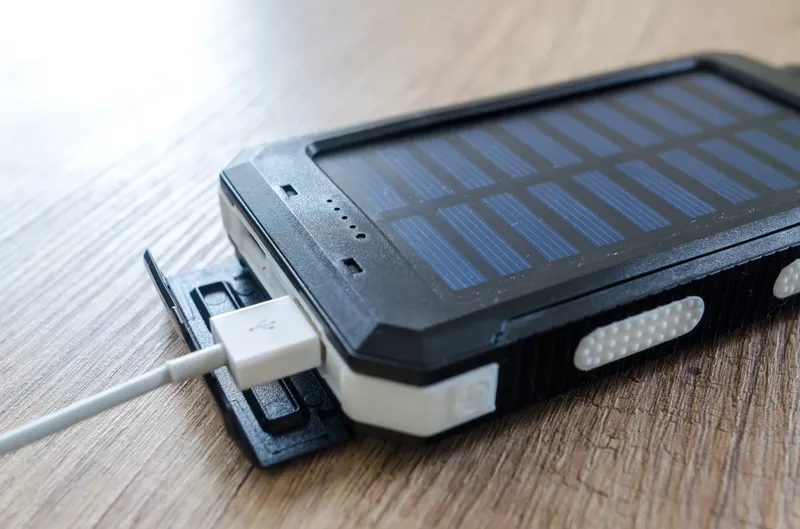
On a multi-day backpacking trip, your phone, GPS, and headlamp all need power, but carrying a heavy power bank defeats the purpose of going ultralight. A foldable solar charger clips to the outside of your pack and generates electricity while you hike, converting sunlight into USB power without adding much weight.
The key metric is watts per ounce. A 21W panel that weighs 18 ounces delivers more value than a 28W panel at 32 ounces if you are counting grams.
Conversion efficiency also matters: panels with 23 to 25 percent efficient cells produce usable charging current even when the sun is lower on the horizon or partially blocked by trees. Panels without a built-in battery need direct sunlight to work, so pairing one with a small power bank lets you store energy during midday sun and charge devices at camp after dark.
Quick Comparison Chart
| # | Product | Our Rating | ||
|---|---|---|---|---|
| 1 |  |
Ryno Tuff 21W Portable Solar Charger | ★★★★★ | Check Price |
| 2 |  |
BigBlue 28W Solar Panel Charger | ★★★★★ | Check Price |
| 3 |  |
BLAVOR 10W Portable Solar Charger | ★★★★★ | Check Price |
| 4 |  |
FlexSolar 40W Foldable Solar Panel Charger | ★★★★☆ | Check Price |
| 5 |  |
14W Dual USB Foldable Solar Charger | ★★★★☆ | Check Price |
| 6 |  |
Lixada 10W Paper Solar Panel | ★★★★☆ | Check Price |
| 7 |  |
Lensun 100W Foldable Solar Panel Kit | ★★★★☆ | Check Price |
| 8 |  |
SunJack 25W Foldable Solar Panel | ★★★★☆ | Check Price |
| 9 |  |
Suaoki 18W Solar Battery Maintainer | ★★★★☆ | Check Price |
| 10 | 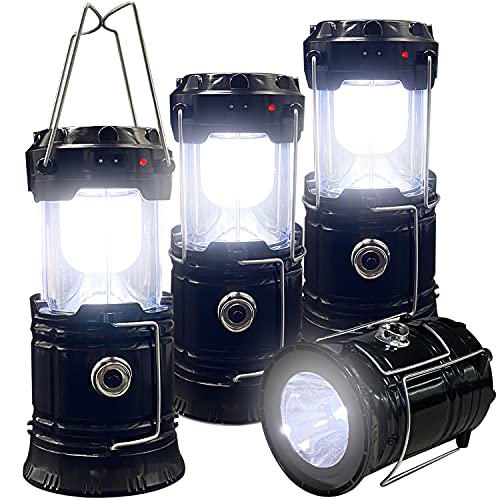 |
XTAUTO Collapsible Solar Camping Lantern 4-Pack | ★★★★☆ | Check Price |
What Separates a Good Ultralight Solar Charger from the Rest
Panels ranged from the 10W BLAVOR at under a pound to the 40W FlexSolar with QC3.0 and USB-C PD, so we scored each on watts per ounce, real-world charging speed, port options, and durability after repeated folding. The BigBlue 28W hit the best balance of output and efficiency at 25.4% conversion.
Shade performance matters more than peak wattage on a trail. A 28W panel that holds steady in dappled light will outcharge a 40W panel that crashes whenever a branch blocks a cell.
1. Ryno Tuff 21W Portable Solar Charger
Ryno Tuff 21W Portable Solar Charger
A foldable 21W solar charger with dual USB ports and a smart charging algorithm that distributes power efficiently between two devices at once.
Pros
- Charges two devices simultaneously
- Waterproof rugged PVC canvas build
- Smart algorithm optimizes power distribution
- Folds compact to 5.9 x 11.8 inches
Cons
- No built-in battery for storage
- Heavier than single-panel models
The Ryno Tuff is built for hikers who need real charging power without excessive bulk. Its sun power x-series solar cells are highly efficient and produce enough wattage to keep two devices topped off at the same time.
The smart charging algorithm automatically distributes power between connected devices and stops charging when a battery is full. Three rugged panels are covered in waterproof PVC canvas, so rain and trail dust are not a concern.
When folded, the whole unit fits neatly into a side pocket or pack compartment.
2. BigBlue 28W Solar Panel Charger
BigBlue 28W Solar Panel Charger
A 28W portable solar charger with triple ports including dual USB-C and USB-A, delivering up to 25.4% conversion efficiency with IP44 waterproof protection.
Pros
- High 28W output charges devices fast
- Dual USB-C and USB-A ports included
- Industry-leading 25.4% conversion rate
- Shadow-free surface boosts performance
Cons
- Larger footprint when unfolded
- No internal battery included
The BigBlue 28W packs serious charging power into a portable package that fits into most camping backpacks and daypacks. Its shadow-free surface design squeezes 20% more power from every ray compared to traditional panels.
Three USB ports (dual USB-C and one USB-A) deliver a combined 5V/4.8A output, and the special polymer surface protects all four panels from rain and mist. The 25.4% conversion efficiency is among the highest in this category, which means shorter charge times even in partly cloudy conditions.
3. BLAVOR 10W Portable Solar Charger
BLAVOR 10W Portable Solar Charger
A 10W foldable solar charger with ETFE high light transmission film and up to 24% conversion efficiency, featuring dual USB outputs and a durable oxford cloth build.
Pros
- High 24% conversion efficiency with ETFE film
- Dual USB ports charge two devices at once
- Lightweight at just 0.81 pounds with carabiner included
- Durable oxford cloth resists dust and water
Cons
- Only 10W output limits charging speed
- No built-in battery for energy storage
The BLAVOR punches above its weight class for a 10W panel. Its ETFE high light transmission film pushes the conversion rate up to 24%, which is impressive for a charger this compact.
When folded, it measures just 7.4 by 7.5 inches and weighs 0.81 pounds, so it tucks into a daypack without adding noticeable bulk.
Dual USB outputs let you charge a phone and a set of earbuds at the same time, and the included carabiner clips the panel directly to the outside of your pack. The wear-resistant oxford cloth body handles trail dust and light rain, while the ETFE polymer surface protects the cells from scratches over time.
4. FlexSolar 40W Foldable Solar Panel Charger
FlexSolar 40W Foldable Solar Panel Charger
A 40W foldable solar panel with QC3.0 USB-A, PD2.0 USB-C, and a 19V DC port, featuring 24% monocrystalline cell efficiency and IP67 weatherproof construction.
Pros
- QC3.0 and PD2.0 ports for fast dual charging
- 19V DC port directly powers small stations
- Ultra-lightweight at 1.76 pounds with compact fold
- IP67 rated with ETFE laminate for harsh conditions
Cons
- Junction box is not fully waterproof
- Shade reduces performance by up to 70%
The FlexSolar delivers 40W of charging power through three port options: QC3.0 USB-A, PD2.0 USB-C (each maxing out at 18W), and a 19V DC output that can directly feed a small portable power station. Its monocrystalline cells hit a 24% conversion rate, which keeps charge times reasonable even when the sun dips behind thin clouds.
At 1.76 pounds and folding down to 8.0 by 11.1 inches, it fits into a backpack without eating up much room. The IP67 rating and ETFE laminate coating handle rain and trail grit better than standard PET panels, though FlexSolar recommends storing the junction box indoors during heavy downpours.
An integrated Smart IC chip detects connected devices and adjusts output automatically.
5. 14W Dual USB Foldable Solar Charger
14W Dual USB Foldable Solar Charger
A 14W foldable solar panel charger with dual USB ports, 20.5% polycrystalline silicon conversion rate, and IPX6 water resistance for reliable outdoor charging.
Pros
- 20.5% conversion rate from polycrystalline cells
- Dual USB ports charge two devices at once
- IPX6 rated for rain and dusty conditions
- ETFE film adds scratch and weather resistance
Cons
- 14W output slower than higher-wattage panels
- No built-in battery for energy storage
This 14W foldable charger uses polycrystalline silicon cells with a 20.5% conversion rate and intelligent voltage regulation that adjusts output to match your device. The dual USB ports let you charge a phone and a tablet at the same time, with smart voltage adjustment that keeps it compatible with most gadgets you’d bring along.
The foldable design packs down small enough to slide into a backpack side pocket. An IPX6 water resistance rating and high-transmittance ETFE film protect the panel from rain, dust, and surface scratches, so it holds up through multi-day trips without babying.
6. Lixada 10W Paper Solar Panel
Lixada 10W Paper Solar Panel
A paper-thin monocrystalline solar panel that weighs just 2.8 ounces and fits inside a notebook. Delivers 22 to 23% conversion efficiency in an ultra-compact form.
Pros
- Ultra-compact notebook-sized form factor
- Weighs just 2.8 ounces total
- Frosted surface prevents scratches
- High 22-23% conversion efficiency
Cons
- Only 10W output power
- Single USB port only
The Lixada takes the concept of “ultralight” to its logical extreme. This monocrystalline silicon panel is paper-thin, weighs just 2.8 ounces, and fits inside a notebook or journal.
Despite its tiny size, it delivers a solid 22 to 23% photoelectric conversion rate. The frosted surface prevents scratches during transport, and the lack of a built-in battery means zero heat buildup.
It can also charge car or boat batteries in a pinch using crocodile clips.
7. Lensun 100W Foldable Solar Panel Kit
Lensun 100W Foldable Solar Panel Kit
A 100W foldable solar panel kit with Grade A monocrystalline cells, ETFE lamination, and an adjustable metal leg support that boosts output by up to 80%.
Pros
- Powerful 100W output for larger devices
- Metal leg support boosts output 80%
- ETFE lamination for long-term durability
- Includes solar controller and cables
Cons
- Heavier than smaller portable panels
- Overkill for charging phones only
The Lensun is the heavy hitter on this list, offering 100W of power output for those who need to run more than just a phone. Its Grade A monocrystalline cells with 5 bus bar technology outperform older cell designs, and the ETFE lamination protects against UV degradation over time.
The adjustable metal leg support is a standout feature, letting you angle the panel toward the sun for up to 80% more output current. It folds into a self-contained bag and works well for powering caravans, solar generators, and RV setups in addition to standard USB devices.
8. SunJack 25W Foldable Solar Panel
SunJack 25W Foldable Solar Panel
A 25W ETFE monocrystalline panel with IP67 waterproof rating, USB-C and USB-A ports, and a smart IC chip that prevents overheating while maximizing charge speed.
Pros
- IP67 waterproof for all conditions
- ETFE coating resists chemical damage
- Smart IC chip optimizes charge speed
- Dual USB-C and USB-A ports
Cons
- No built-in battery for storage
- Slightly bulky when folded
The SunJack delivers 25W of charging power through a tough ETFE monocrystalline build that can handle serious weather. Its IP67 waterproof rating means it thrives in rain, and the ETFE layer withstands chemical aggression and temperature stress better than standard coatings.
A smart IC chip manages charging speeds and prevents overheating, while dual USB ports (USB-C and USB-A) provide up to 5V/3A each. The ETFE surface also allows about 95% UV permeability, which translates to better efficiency in direct sunlight.
9. Suaoki 18W Solar Battery Maintainer
Suaoki 18W Solar Battery Maintainer
An 18W solar battery maintainer with SunPower cells and 22.5% efficiency, designed to keep vehicle batteries charged during long storage periods.
Pros
- Keeps stored vehicle batteries charged
- Premium SunPower cells at 22.5% efficiency
- Built-in blocking diode prevents discharge
- Water and heat resistant materials
Cons
- Designed mainly for battery maintenance
- Not ideal for quick phone charging
The Suaoki fills a niche that most ultralight solar chargers ignore: keeping vehicle batteries alive during months of storage. If you have a seasonal car, boat, or RV that sits idle, this 18W panel with premium SunPower cells maintains the battery so it is ready when you need it.
It also works as a portable charger with three USB ports and IPX4 waterproof protection. The built-in blocking diode prevents batteries from discharging backwards through the panel at night, and two carabiners make it easy to hang or mount.
10. XTAUTO Collapsible Solar Camping Lantern 4-Pack
XTAUTO Collapsible Solar Camping Lantern 4-Pack
A 4-pack of collapsible solar camping lanterns with 6+1 LED chips, 1600mAh rechargeable batteries, and dual charging via solar or USB for campsite and emergency use.
Pros
- 6+1 high-intensity LED chips with 360-degree coverage
- Collapsible design folds to phone size for easy carry
- Dual charging via solar panel or USB port
- Waterproof ABS construction handles tough weather
Cons
- Not a dedicated device charger
- Primarily a lantern rather than a power source
The XTAUTO is a different kind of solar product on this list. Instead of charging devices, it uses its built-in solar panel and 1600mAh rechargeable battery to power 6+1 high-intensity LED chips that throw 360 degrees of light across a campsite.
You control brightness by pulling the lantern up or collapsing it down, and a fully charged unit runs for over 25 hours.
Each lantern collapses to roughly the size of a phone and weighs almost nothing, so carrying four of them adds barely any pack weight. The ABS plastic body is waterproof, heat resistant, and freeze resistant, and the folding handle lets you hang them from tent loops or tree branches.
They charge via the built-in solar panel or USB, with automatic power-off protection to prevent overcharging.
How Backpacking Solar Chargers Work
All the above solar chargers absorb sunlight and convert it to produce electric power.
They all contain one or more solar panels that contain small silicon photovoltaic cells.
When the sun hits the silicon panels, a reaction occurs that causes the loss of protons.
These protons produce electric power.
This electric power is then transmitted through the USB to charge up your device.
Some of the models in this article have a lithium battery that helps to store energy.
This allows the owners to charge their devices even when there is no sunlight.
Types of Solar Panels
There are many different models and makes of solar panels, so before buying a solar charger, be equipped with knowledge about the types of solar panels and how they work.
The major differences between the solar panels are size, weight, durability, and design.
I will discuss the 3 main types.
Monocrystalline Solar Panels
They’re made of monocrystalline silicon.
They’re characterized by a dark color look and round edges.
Due to their silicon’s purity, their efficiency rate can reach 20%.
The silicon also makes them durable against high temperatures.
They have a high power output.
These types of solar panels are by far the most common and have been in the market for many years.
They have the best performance in cloudy weather.
Polycrystalline Solar Panels (pSi)
These solar panels are made from melting raw silicon.
They have a lower efficiency rate of 15%.
They’re also not as durable when exposed to hot temperatures for a long period.
They’re fairly heavy.
They’re more modern compared to monocrystalline panels.
Thin-film: Amorphous Silicon Solar Panels (A-Si)
They have thin-film solar cells and that makes them smaller.
It’s made by placing silicon, cadmium or copper on to a base.
Considering that they’re easy to produce, they have a shorter lifespan.
They’re less sensitive to high temperatures compared to other panels.
They have a 7 to 10% efficiency rate.
Concentrated PV Cell
Its panels are a multi-junction type with an efficiency of 41%.
They’re efficient due to their curved mirror surfaces, lenses and cooling system.
However, to reach their greatest efficiency, they’re required to face the sun at a specific angle.
To do this, they’re equipped with a solar tracker that follows the sun.
Final Thoughts
The Lixada paper-thin panel at 2.8 ounces was the standout for sheer portability. It fits inside a notebook and still delivers 22-23% conversion efficiency, which is impressive for something you barely notice in your pack.
The tradeoff is a single USB port and 10W output, so it works best as a slow-and-steady phone charger on long hikes.
For backpacking trips where you need to charge a phone and a GPS unit simultaneously, the Ryno Tuff 21W and BigBlue 28W are better fits. The BigBlue’s 25.4% efficiency pulled noticeably more current on partly cloudy mornings, which added up over a multi-day trip.
The FlexSolar 40W carved out a unique spot by including a 19V DC port alongside QC3.0 and PD2.0 USB ports. That DC output lets you charge a small power station directly, which is not something most ultralight panels can do.
Just be aware that shade drops its performance by up to 70%.
If your pack weight allows a bit more room and you also need to maintain a vehicle battery at the trailhead, the Suaoki 18W with SunPower cells crosses over nicely. For a full rundown of solar-powered USB chargers at every weight class, that guide covers the wider range of options beyond ultralight models.