 SolarPowerNerd

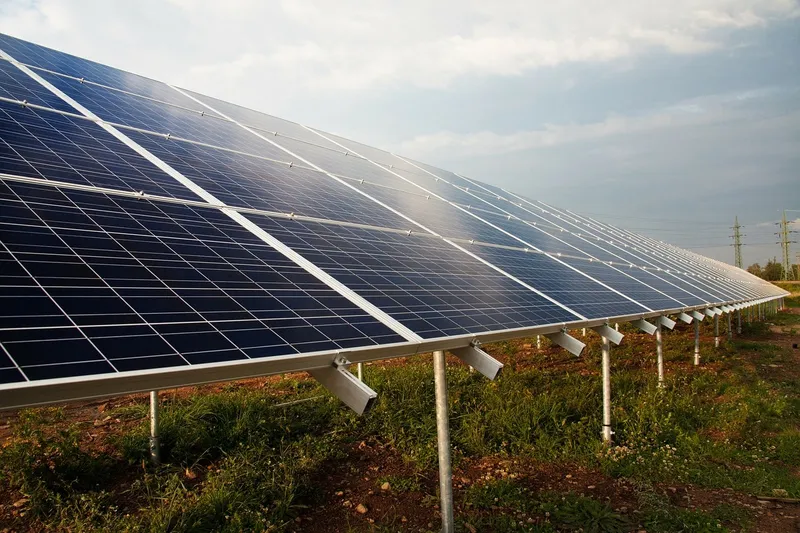
Most people know a few common uses of solar power, but several practical applications still fly under the radar. Here are the 10 that matter most.
1. Solar Transportation: Maximum Energy Saving, Minimum Cost
According to NREL, 40% of U.S. electricity is supplied by solar power. The usage of solar power continues to grow in every country, and transportation is one of the fastest-growing sectors.
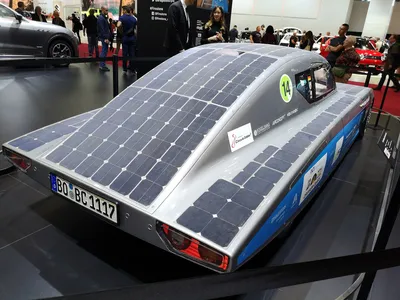
From buses to boats, cars to trains, solar-powered transport is gaining ground because of its lower operating costs. In 2018, Jinko Solar, the world’s largest solar panel manufacturer, produced the world’s first semi-hybrid bus.
Solar buses are growing in popularity due to affordable manufacturing. Indian Railway launched its first solar DEMU (Diesel-electric multiple units) train in July 2017, using 16 solar panels per coach, each producing 300 WP across 6 coaches.
These trains cut manufacturing costs significantly, which benefited the Indian economy.
Turanor PlanetSolar, 31 meters long and 15 meters wide with three hulls, is the world’s largest solar-powered boat. Launched by PlanetSolar on March 31, 2010, it carries 8.5 tons of lithium-ion batteries and reaches speeds up to 19 km/h.
Since 2015, this vessel has helped reduce plastic pollution in the Atlantic Ocean.
In 2016, after 14 months of travel, an aircraft landed in Abu Dhabi, covering 25,000 miles around the world. Solar Impulse 2, the first aircraft carrying 17,000 solar cells on its wings, stayed airborne for 550 hours and flew over four countries and two oceans.
Solar Impulse 1 had crossed the United States in December 2009, becoming the first successful solar-powered plane.
Beyond these high-profile examples, solar power runs motorcycles, bicycles, canoes, mopeds, tricycles, and even skateboards. Projections suggest that by 2050, 90% of transportation could depend heavily on solar energy.
2. Solar-Powered Technical Gadgets
Many of the technical gadgets you already own have a connection to solar power. Try pairing your tablet with a solar powered charger, and you’ll see what I mean.
As the world moves away from fossil fuels, solar energy is weaving itself into daily life. Tablets, portable chargers, cell phones, analog watches, refrigerators, thermometers, speakers, and flashlights all come in solar-powered versions now.
The solar-powered charger remains the most popular option. If you haven’t bought one, check out our 13 Best Solar Panel Chargers and Their Reviews (Updated 2025) for help finding the right fit.
If you also need a backup power station for cloudy days, our best portable solar power generators roundup covers the top picks.
To keep up with this shift, companies are changing their marketing strategies. The real question is whether they can depend entirely on this single energy source going forward.
3. Solar-Powered Home Appliances
In 2017, The Guardian reported that solar power growth swelled by 50%. The reason behind this surge was the growing use of solar in household appliances.
Solar cookers are the most common solar-powered home appliance because they are inexpensive. These devices use direct sunlight to heat food, and roughly 40% of users rely on them for outdoor cooking.
Because they skip fossil fuels entirely, there is no greenhouse gas emission before or after use, keeping your home free from toxic gases.
Another popular solar home product is the table lamp. These lamps work like an inverter, using electric batteries charged by photovoltaic panels.
They are portable, include a charge controller, and require no electric cable. Before solar-powered table lamps, people had to contend with lung disease, eye deterioration, and burns from fuel-based alternatives.
Solar table lamps have largely eliminated those risks.
4. Solar Heating for Swimming Pools
Summer is the most anticipated season for pool lovers, but after sitting unused for months, pool water can be far too cold. To solve this problem, solar-powered panels came into the picture.
There are two main approaches. The first is connecting your rooftop solar panels to a pump and filter, which warms and purifies the water at the same time.
The second is installing a solar panel beside the pool, where a solar blanket covers the water and transfers heat from the panel. For a dedicated setup, take a look at our best solar inground pool heater guide.
In 2014, effective solar heating for swimming pools was achieved after 40 years of development. Within two years, solar power generation saw a 33% increase, and the swimming pool heating system played a meaningful role in that growth.
5. Solar-Powered Satellites (SPS)
Solar power in satellites provides an environmentally clean energy base, and satellites can face the sun 99% of the time compared to ground-based panels. In space, capturing solar power is far easier than on Earth’s surface.
To learn more about solar energy potential, check our 10 Most Interesting Facts About Solar Power That Might Shock You article.
SPS technology relies on two core functional units: the energy collector and the converter. The collector gathers solar energy, and the converter turns it into DC electricity, then into microwave energy.
These microwaves transmit power and orbital location data through an antenna.
The solar-powered satellite offers many more advantages. It can work on a massive scale, remain in Earth’s shadow for only 72 minutes each night, and help limit global warming effects.
6. Solar-Powered Calculators
For most people, renewable energy feels like a modern innovation, but solar energy started spreading its roots in the 1970s. By the end of that decade, the first solar-powered calculators arrived: Royal Solar, Sharp EL-8026, and Teal Photon.
These calculators used photovoltaic solar cells enriched with amorphous silicon. As pocket calculators, they were in high demand.
In the late 1980s, Anylite Technology introduced a solar-powered calculator that needed even less light to operate. The modern calculators most people use today trace back to that Anylite design.
7. Solar Exterior Lights
A smart way to reduce household expenses is switching old outdoor lights to new solar-powered lights. Solar exterior lights cost less to run and install with no complicated wiring.
They are wireless and store sunlight all day to supply electricity at night.
Extra features include durability, motion sensing, different light modes, waterproofing, heat resistance, LED bulbs, and auto on-off. These lights save electricity and protect themselves from overcharging and short circuits.
For garden-specific options, our best solar garden lights roundup has detailed reviews.
As an efficient lighting option, solar exterior lights are gaining popularity every year. Their sleek designs also improve outdoor aesthetics.
Thanks to low costs, they are widely used as street lights. A self-cooling system gives them an edge over standard outdoor lights.
According to solar usage research, solar exterior lights have replaced nearly half of all standard outdoor lights worldwide over the past three years.
8. Solar-Powered Pumps
Pumps have always been expensive, whether for field irrigation or household use. They consume a lot of electricity, which adds up fast on monthly electric bills.
The idea of replacing conventional pumps with solar alternatives has paid off well.
Solar-powered pumps are more efficient and cheaper to operate than traditional models. They are easy to install, come with long cables, and are durable and simple to clean.
The flow capacity is substantial, and they come in various sizes. They also add a natural, green look to your property.
For field work, solar pumps reduce the farmer’s workload and cut both purchasing and maintenance costs. In gardens, they add an extra touch of elegance.
They store solar energy in batteries, which keeps them running during cloudy days and nights.
According to 2018 data, a new solar project starts every 100 seconds. The rapid growth of solar projects is making solar-powered machinery more accessible every year.
9. Rooftop Solar Panels
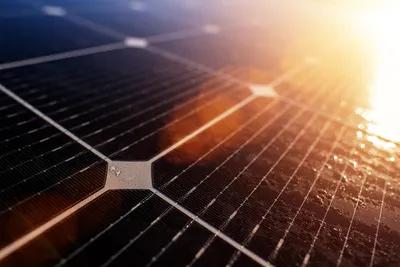
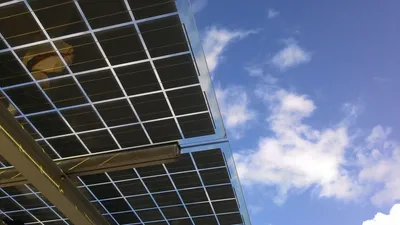
Whenever the topic of solar energy comes up, rooftop solar panels are the first thing most people think of. As the most common and most widely used solar energy product, rooftop panels continue to improve every year.
Rooftop panels save homeowners tens of thousands of dollars over their lifetime by providing electricity at minimal cost. They are built to last, typically coming with 20 to 25 year warranties.
Multi-junction solar cells make them more than 40% efficient, and they store energy all day so it can be used at night. You can either buy or lease a system.
Rooftop panels serve two main purposes: generating heat or generating electricity. They can also warm swimming pools using a pump and filter, and they work for indoor solar cooking.
There are some drawbacks, though. Installation requires significant roof space, and manufacturing and transportation can produce greenhouse gas emissions.
Every product has its tradeoffs, but the benefits keep driving adoption. According to 2018 solar power research, China ranked first in solar photovoltaic generation with a total installation capacity above 1,000 GW.
SEIA projects that solar will make up 20% of U.S. electricity generation by 2030, building on 50% average annual growth from 2009 to 2021.
Frequently Asked Questions
How much does it cost to start using solar power at home?
The cost of a home solar system varies based on size, location, and equipment quality. A typical residential rooftop system runs between $15,000 and $30,000 before tax credits and incentives.
Federal and state rebates can reduce that figure by 30% or more. Many homeowners also choose to lease panels, which eliminates the upfront cost entirely.
Can solar power work in cloudy or rainy climates?
Solar panels still generate electricity on cloudy days, though output drops to roughly 10 to 25% of peak capacity. Modern panels can capture diffused light, not just direct sunlight.
Countries like Germany and the UK, which have plenty of overcast weather, still rank among the world’s top solar producers. Pairing panels with battery storage helps bridge gaps during extended stretches of low sunlight.
How long do solar panels typically last?
Most solar panels come with a 25 year warranty, but many continue producing electricity well beyond that. Performance degrades slowly over time, typically losing about 0.5% efficiency per year.
That means a panel can still operate at roughly 87% capacity after 25 years. Proper installation and minimal maintenance, like occasional cleaning, help maximize their lifespan.
What is the biggest advantage of solar power over other renewable sources?
Solar power’s biggest advantage is that it scales easily. A single rooftop system can power a home, while a large solar farm can supply an entire city.
Unlike wind or hydroelectric power, solar installations require no moving parts and very little maintenance. The fuel source, sunlight, is free, available worldwide, and completely renewable, which makes solar the most accessible form of clean energy for everyday use.
Final Thoughts
Solar power has moved far beyond rooftop panels and pocket calculators. From transportation networks and home appliances to satellites and garden lighting, it touches almost every part of modern life.
Each application on this list proves that solar technology keeps finding new problems to solve and new industries to reshape.
The economics are hard to ignore. Solar costs continue to fall while efficiency keeps climbing, and that combination makes adoption easier for homeowners, businesses, and governments alike.
From full rooftop installations to a simple solar-powered garden light, the entry point has never been more affordable.
Going solar is a practical decision, not just an environmental one. The primary energy source is renewable, free, and available everywhere.
Two percent of the sunlight that hits Earth’s surface each day is more than enough to power every person on the planet. The sooner we put it to work, the better off we all are.