Sunlight does more than generate electricity through solar panels and warm swimming pools. It can also transform contaminated water into safer drinking water through a straightforward process called solarization.
This technique has been deployed in more than 33 countries over four decades. The World Health Organization recognizes solar water disinfection (SODIS) as a proven method for reducing waterborne illness in communities without clean water infrastructure.
Solarizing water works by exposing it to the sun’s ultraviolet radiation, which neutralizes harmful bacteria, viruses, and protozoan parasites. The process requires no electricity, no chemical additives, and no expensive filtration equipment.
You only need a clear container, a water source, and several hours of direct sunlight.
Whether you’re building an emergency kit, living off the grid, or looking for sustainable alternatives to conventional treatment, knowing how to solarize water is a genuinely useful survival skill. This guide walks through the complete process from container selection through safe storage, backed by the same research that health organizations rely on in field deployment worldwide.
What Is Solarized Water?
Solarized water is water that has been purified through prolonged exposure to direct sunlight. The formal scientific name for this purification method is SODIS, which stands for Solar Water Disinfection.
The idea first showed up in peer-reviewed literature in the early 1980s. Aftim Acra at the American University of Beirut demonstrated that solar radiation could significantly reduce harmful microorganisms in drinking water, sparking decades of follow-up research.
The Swiss Federal Institute of Aquatic Science and Technology (EAWAG) and the Royal College of Surgeons in Ireland (RCSI) expanded on Acra’s work throughout the 1990s and 2000s. Their studies confirmed that UV radiation combined with increased water temperature creates conditions lethal to most waterborne pathogens.

Put simply, water in a transparent container left in full sun for six or more hours undergoes photochemical and thermal changes that destroy the DNA of bacteria, viruses, and protozoa. The result is water with significantly lower pathogen loads.
Today, SODIS is actively promoted in countries across Asia, Africa, and Latin America. Organizations including the WHO, UNICEF, and the Red Cross have endorsed it as a low-cost alternative to boiling or chemical treatment for populations without access to municipal water systems.
Solarization targets biological contaminants specifically and does not remove dissolved chemicals, heavy metals, or sediment. This distinction determines when it is the right treatment method and when other approaches are needed.
The term “solarized water” also appears in alternative wellness contexts to describe water charged with solar energy for therapeutic purposes. This guide focuses exclusively on the evidence-based SODIS purification method.
The Science Behind Solarizing Water
Three natural mechanisms drive solar water disinfection: UV radiation damages pathogen DNA, heat weakens cell membranes, and dissolved oxygen generates reactive chemicals that destroy microorganisms. Understanding how each factor contributes helps you get better results from every step.
UV Radiation and Pathogen Destruction
UV-A rays from sunlight penetrate clear containers and generate free radicals that destroy the DNA of bacteria, viruses, and parasites. The effective wavelength range is 320 to 400 nanometers, and when these rays pass through a transparent bottle, they interact directly with the genetic material of microorganisms inside.
UV-A radiation generates reactive oxygen species inside the cells of bacteria and viruses. These free radicals damage the nucleic acids and proteins that pathogens need to survive, and once the genetic material sustains enough disruption, the organisms can no longer function or reproduce.
If you’re curious about the physics, how solar energy works step by step explains why specific wavelengths penetrate water more effectively and how radiation intensity varies throughout the day.
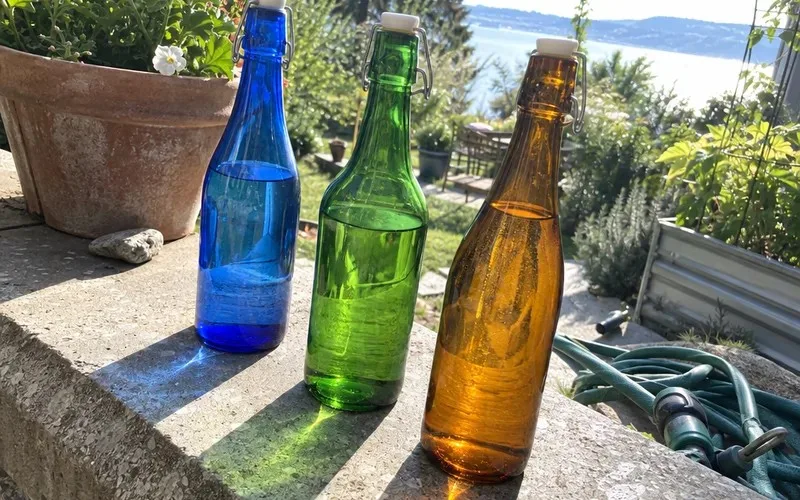
A 2013 study published in BMC Complementary and Alternative Medicine found that water exposed to sunlight through clear and colored bottles showed measurable changes in chemical and physical properties. Researchers documented alterations in dissolved oxygen levels, pH, and electrical conductivity after extended solar exposure.
Temperature Synergy Effect
Heat amplifies UV disinfection. When water temperature reaches 50°C (122°F) or higher, a synergy occurs between UV exposure and thermal stress that accelerates pathogen destruction beyond what either factor achieves independently.

At temperatures above 50°C, the cellular membranes of bacteria become more vulnerable to UV damage. This combined effect eliminates microorganisms faster and more completely than UV or heat working in isolation.
On hot days, water in PET bottles placed on dark or reflective surfaces can reach temperatures between 50°C and 60°C. This thermal boost shortens the required exposure time and increases the overall disinfection rate.
Full pasteurization occurs at 70°C (158°F) and kills virtually all pathogens within minutes, but solarization rarely reaches that threshold outside of tropical climates.
Oxygenation and Chemical Reactions
Dissolved oxygen is the third and often overlooked driver of solar disinfection. When UV-A light strikes dissolved oxygen molecules in water, it triggers the formation of highly reactive oxygen species, including hydrogen peroxide, superoxide anions, and hydroxyl radicals.
These reactive species are toxic to microorganisms, attacking bacterial cell walls, disrupting enzyme function, and causing irreversible damage to pathogen DNA. The higher the dissolved oxygen concentration, the stronger this photochemical reaction becomes.
That’s why shaking the bottle before sun exposure is such an important step. Vigorous shaking increases dissolved oxygen levels, and research shows that aerated water produces higher concentrations of reactive oxygen species, translating to faster and more thorough pathogen destruction.
Benefits of Solarizing Water
So why choose solarization over other purification methods? It’s one of the most accessible water treatment options you’ll find, and the advantages are hard to ignore.
Zero Ongoing Cost
The only materials needed are a clear plastic or glass bottle and access to sunlight. There are no recurring expenses for filters, chemicals, fuel, or electricity, making SODIS the most affordable water purification method available in resource-limited settings.
No Chemical Additives
Unlike chlorination or iodine treatment, solarizing water introduces nothing artificial, eliminating concerns about dosing accuracy, residual taste, and long-term chemical exposure. The process relies entirely on natural UV radiation and solar heat.
Proven Pathogen Elimination
Studies confirm that solar disinfection inactivates E. coli, Salmonella, Vibrio cholerae (cholera), Shigella, Giardia, and Cryptosporidium. WHO field data shows a 30 to 80 percent reduction in diarrheal disease among populations that use SODIS consistently.
Extreme Portability
The method requires no specialized equipment, technical knowledge, or infrastructure. Empty PET bottles weigh almost nothing and collapse flat for transport, and anyone can learn to solarize water in minutes.
Environmentally Sustainable
Solarization produces no waste, consumes no fossil fuels, and generates zero emissions. Reusable PET bottles or glass containers serve for hundreds of treatment cycles, demonstrating one practical application of the broader benefits of solar energy.
Improved Taste
Many users report that solarized water tastes fresher than untreated water from the same source. The UV exposure and elevated dissolved oxygen reduce organic compounds that contribute to stale odors and unpleasant flavors, especially in water sourced from ponds, rivers, or stagnant collections.
What You Need to Solarize Water
Gather these materials before you start. Getting the setup right makes a real difference in treatment quality.
Container
The most important item is your bottle: clear, colorless PET (polyethylene terephthalate) plastic bottles are the global standard for SODIS. Confirm the material by looking for the recycling symbol with the number 1 on the bottom.
PET bottles transmit 85 to 90 percent of UV-A radiation, and standard 1 to 2 liter water or soda bottles work perfectly. Avoid bottles larger than 2 liters because UV rays cannot penetrate deeply enough to treat water at the center.
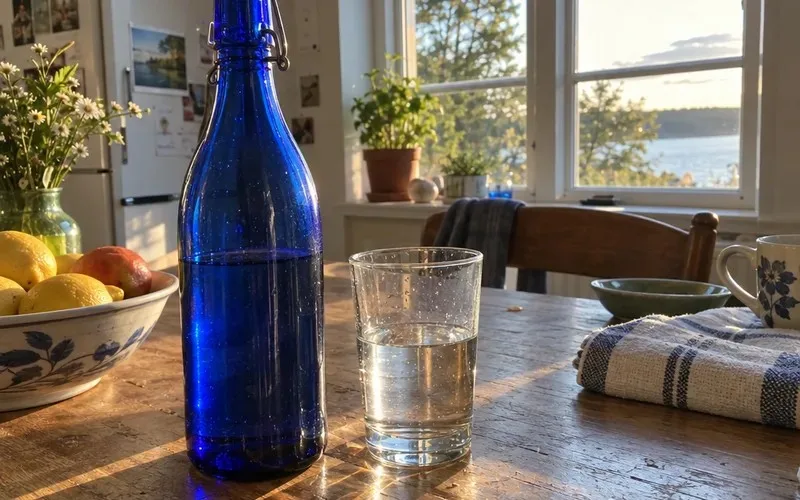
Clear glass bottles also work and offer greater durability since they don’t degrade with repeated sun exposure, though they weigh more and are less portable.
Water Source
The water you plan to treat should have relatively low turbidity, meaning it must be clear enough to see through. Solar disinfection works best when UV rays pass through the full volume of water without being scattered or absorbed by suspended particles.

If your water source is visibly cloudy or contains sediment, pre-filter it before solarization. A clean cloth folded several times, a standard coffee filter, or an improvised sand and gravel filter removes enough particulate matter to bring turbidity within the acceptable range.
A Flat, Sun-Exposed Surface
You need a location that receives direct, unobstructed sunlight for at least six continuous hours. Rooftops, open ground, concrete patios, and flat rocks all work well.
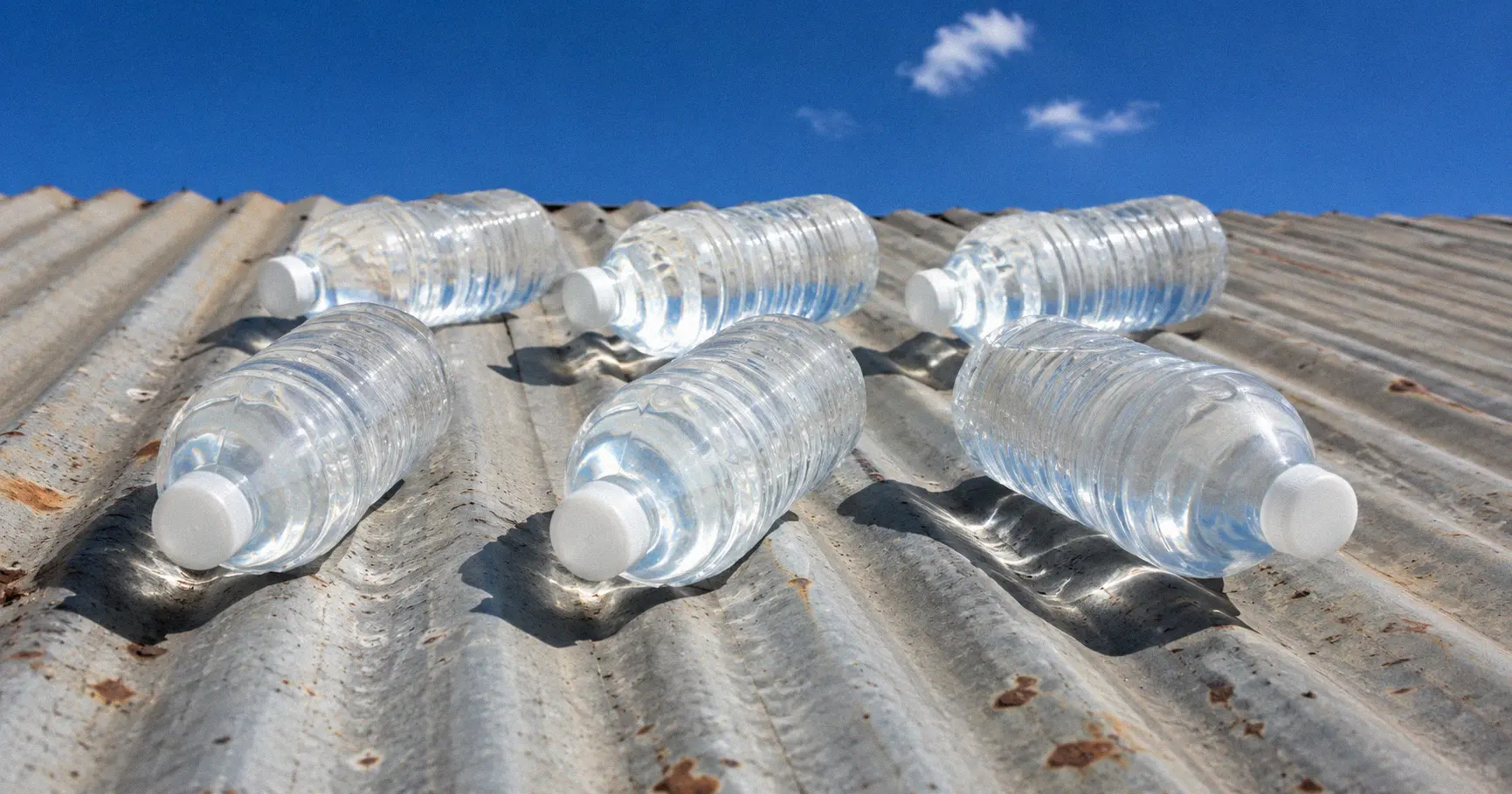
Placing bottles on a corrugated metal roof or a reflective surface like aluminum sheeting can increase UV exposure by reflecting additional sunlight onto the underside of the container. Dark surfaces boost thermal absorption, helping water reach the temperature synergy threshold faster.
Optional Materials
A newspaper helps you perform the turbidity test described in the step-by-step instructions below. If you can read a standard headline through the water-filled bottle, turbidity is low enough for effective solarization treatment.
A thermometer is helpful but not essential. It lets you see whether the thermal synergy effect is kicking in and speeding up disinfection on any given day.
How to Solarize Water Step by Step
Here’s the full process, broken into seven steps. Each one builds on the last to maximize pathogen removal.
Step 1: Select Your Container
Choose a clear, colorless PET bottle between 0.5 and 2 liters in capacity. Flip the bottle over and look for the number 1 recycling symbol to confirm it is made from PET.

Inspect the bottle for heavy scratching, cracks, or cloudiness, as damaged surfaces reduce UV transmission. If the plastic appears yellowed, hazy, or opaque, discard it and use a fresh bottle.
Remove all labels and stickers that cover the bottle surface. UV light needs to reach the water from as many angles as possible.
Step 2: Fill and Prepare the Water
Fill the bottle approximately three-quarters full with the water you want to treat, leaving the top quarter empty. You will use this air space in the oxygenation step that follows.

If the water comes from a natural source, inspect it for floating debris. Remove visible particles by pouring through a cloth or letting it settle before transferring to the treatment bottle.
Step 3: Test Water Clarity
Hold the filled bottle horizontally and place a sheet of newspaper behind it. If you can read the newspaper headline through the water and the bottle wall, the turbidity falls within the acceptable range for solar disinfection.
If the text is not legible, pre-filter through a clean cloth folded at least four times, a paper coffee filter, or an improvised gravel and sand filter. Repeat the newspaper test after filtering until the headline is clearly readable.

Water with turbidity exceeding 30 NTU (Nephelometric Turbidity Units) responds poorly to solarization. Suspended particles scatter UV light before it reaches the pathogens deeper in the water column, creating shielded zones where microorganisms survive the treatment.
Step 4: Oxygenate the Water
Cap the three-quarter-full bottle and shake it vigorously for 20 to 30 seconds. The air trapped in the upper quarter mixes into the water during shaking, raising dissolved oxygen levels substantially.
After shaking, remove the cap and fill the bottle completely to the top with additional water from the same source, then seal the cap tightly. The water now holds an elevated concentration of dissolved oxygen that powers the photochemical reactions triggered by UV exposure.
Skipping this step is one of the most common mistakes. Oxygenated water produces significantly higher concentrations of the reactive oxygen species that destroy pathogen DNA, making this 30-second shake one of the highest-impact actions in the entire process.
Step 5: Position in Direct Sunlight
Place the bottle on its side in a location receiving full, unobstructed sunlight. Laying the bottle horizontally maximizes the surface area exposed to incoming UV rays compared to standing it upright.
Corrugated metal roofing is one of the most effective surfaces because the angled channels reflect additional UV light onto the underside of the bottle. Any flat, open surface with consistent sun exposure also works.

Avoid placing bottles behind glass windows, under tree cover, or in partial shade. Any obstruction between the bottle and the sun reduces treatment effectiveness dramatically.
Step 6: Wait for the Right Duration
Under sunny or partly cloudy skies with less than 50 percent cloud cover, leave the bottles in the sun for a minimum of six hours. Time your setup so bottles receive peak UV intensity, ideally between 9 AM and 3 PM.

If cloud cover exceeds 50 percent for most of the day, extend treatment to two full days (approximately 48 hours total). During continuous heavy rain or complete overcast, solar disinfection does not reach effective pathogen reduction levels, so use an alternative method.
In tropical and subtropical regions between 15° and 35° latitude, sunlight intensity supports reliable solarization throughout most of the year. At higher latitudes, effectiveness decreases during winter months when the sun angle drops and daylight hours shorten.
Step 7: Store Your Solarized Water
Once the treatment period is done, you can drink the water straight from the bottle. If you’re not consuming it right away, keep it in the same sealed container to prevent recontamination.
Store treated bottles in a cool, shaded location where solarized water stays safe for 24 to 48 hours with the cap sealed. Transferring treated water to an open or unsanitized container introduces new pathogen exposure.
Label treated bottles with the date and time of treatment to track freshness. Treat new water daily and consume older batches first to prevent any single batch from sitting too long.
How Long Does It Take to Solarize Water?
Under clear skies, solarizing water takes a minimum of six hours of direct sun exposure. Cloudy conditions can extend treatment time to 48 hours, and heavy rain makes the method ineffective entirely.
| Weather Condition | Recommended Treatment Duration |
|---|---|
| Bright sun, less than 50% cloud cover | 6 hours minimum |
| Partly to mostly cloudy, 50-100% cloud | Up to 48 hours (2 full days) |
| Continuous heavy rain or full overcast | Not effective for SODIS |
These times assume you’re using a standard 1 to 2 liter PET bottle with water that passes the newspaper turbidity test.
Geographic Location
Latitude plays a significant role in effectiveness, with regions between 15°N/35°N and 15°S/35°S receiving the strongest UV radiation for the most consistent year-round results. Countries closer to the equator benefit from nearly uninterrupted usability.
At latitudes above 35°, summer months still deliver adequate UV intensity for solarization. That window narrows during fall and winter, though, as the sun sits lower and total UV irradiance drops.
Altitude
Higher elevations receive stronger UV radiation because there is less atmosphere to filter the sunlight. If you are solarizing water at altitudes above 1,500 meters (roughly 5,000 feet), the process may complete faster than the standard six-hour recommendation.
At elevations above 3,000 meters, UV-A intensity can be 30 to 40 percent higher than at sea level. Mountain hikers, high-altitude homesteaders, and communities in elevated regions like the Andes or Himalayas can take advantage of this increased radiation for more reliable solarization results year-round.
Season and Time of Day
Peak UV intensity falls between 10 AM and 2 PM in most locations.

Summer months provide longer daylight hours and steeper sun angles, increasing total UV exposure per treatment cycle.
Winter months at higher latitudes may not deliver enough cumulative UV radiation to complete treatment reliably within a single day.
Water Temperature
When water temperature climbs above 50°C, the synergy effect between heat and UV radiation accelerates disinfection dramatically. On hot days, placing bottles on dark metal surfaces helps reach this threshold faster, and treatment can finish in less than six hours.
Can You Solarize Water on a Cloudy Day?
Yes, but it takes much longer. Under partly to mostly cloudy skies (50 to 100 percent cloud cover), extend treatment to a full 48 hours across two consecutive days. During continuous heavy rain or total overcast with no sun breaks, SODIS does not reach effective disinfection levels, so switch to boiling or chemical treatment instead.
Best Containers for Solarizing Water
The best container for solar water disinfection is a clear PET plastic bottle (recycling number 1) that is 2 liters or smaller. The material, size, shape, and condition of the bottle all directly affect how much UV radiation reaches the water and how effective treatment will be.
PET Plastic Bottles (Best Option)
PET (polyethylene terephthalate) bottles are the worldwide standard for SODIS because they transmit 85 to 90 percent of UV-A radiation. Standard 1 to 2 liter water and soda bottles made from PET are lightweight, inexpensive, and available almost everywhere.
PET bottles can be reused for multiple solarization cycles before degradation reduces UV transmission. Most bottles remain effective for six months to a year of regular use before needing replacement.
Replace them when they develop visible scratches, cloudiness, yellowing, or any structural warping from heat exposure.
Glass Bottles
Clear glass bottles work for solarization and offer superior durability since they do not degrade from repeated sun exposure. Borosilicate glass provides the best UV transmission, while standard soda-lime glass is acceptable but blocks a small percentage of effective UV wavelengths.
The main trade-offs are weight and fragility, making glass better for fixed rooftop setups than portable use.
Flat Plastic Bags
Here’s a surprising option: clear plastic bags can actually outperform bottles for solarization. Research shows bags achieve up to 74 percent higher treatment efficiency because the thinner water layer allows deeper, more uniform UV penetration.
They’re also easier to transport and store when empty.
Containers to Avoid
| Container Type | Reason to Avoid |
|---|---|
| Polycarbonate (PC) plastic | Blocks UV radiation, may release BPA |
| Colored PET or tinted plastic | Color filtering reduces UV transmission |
| PVC plastic | Poor UV transmission, potential chemical leaching |
| Opaque or metal containers | UV radiation cannot reach the water |
| Bottles larger than 3 liters | UV cannot penetrate to the center of the volume |
Tips for Faster and More Effective Solarization
Want faster or more thorough results? These techniques go beyond the basic method.
Use a Reflective Backing
Placing bottles on corrugated aluminum or tin bounces additional UV light onto the underside of the container, increasing total exposure by up to 30 percent. The same reflective principle applies to solarizing a garden bed and other outdoor solar applications.
Maximize the Peak UV Window
Position bottles by 9 AM and leave them until at least 3 PM to capture the full period of strongest UV intensity. You don’t need to move bottles to follow the sun throughout the day as long as the original spot gets continuous direct light for the full duration.
Pre-Filter Every Batch
Even water that looks perfectly clear can hold enough microscopic particles to reduce UV penetration. Running every batch through a cloth or paper filter keeps turbidity consistent and prevents hit-or-miss results.
Use Multiple Small Bottles
Four 500 mL bottles receive more effective UV treatment per unit of volume than a single 2-liter bottle. The shallower water depth in smaller containers allows UV rays to reach all areas more evenly, reducing the chance that pathogens survive in shielded zones near the center.
Combine UV Exposure with Solar Heating
On especially hot days, place bottles on dark-colored surfaces like black-painted metal panels to activate the thermal synergy effect. This heat-capture approach cuts treatment time and parallels the strategy used in solar weed solarization.
Shake at the Halfway Point
On top of the initial oxygenation shake, try giving bottles a brief 10-second shake at the halfway point. It redistributes dissolved oxygen and moves water from the center of the bottle into zones with stronger UV exposure, improving treatment uniformity.
Common Mistakes When Solarizing Water
The most common SODIS mistakes involve using the wrong container, skipping oxygenation, or undertreating on cloudy days. Any of these can mean the difference between safe and unsafe drinking water.
Placing Bottles Behind Windows
Window glass absorbs 50 percent or more of UV-A radiation, making an indoor windowsill ineffective for SODIS. Bottles must always go outside in direct, unfiltered sunlight.
Skipping the Turbidity Check
Treating cloudy water without pre-filtering lets suspended particles scatter UV rays, creating pockets where pathogens survive. Always perform the newspaper test and filter until the headline is legible.
Using Worn or Damaged Bottles
Scratched PET bottles deflect UV light away from the water, with each scratch acting as a micro-barrier. Inspect bottles before each use and replace any showing visible wear, hazing, or discoloration.
Forgetting to Oxygenate
Skipping the shaking step removes a key element from the disinfection mechanism. Without adequate dissolved oxygen, the reactive oxygen species that attack pathogen DNA form at much lower concentrations, reducing treatment effectiveness substantially.
Undertreating on Cloudy Days
Solar disinfection still works under partial cloud cover, but treating for only six hours on a heavily cloudy day leaves a significant portion of pathogens alive. When cloud cover exceeds 50 percent for most of the day, commit to the full 48-hour treatment window.
Transferring to Unsanitized Containers
Pouring treated water into an unclean container reintroduces the exact contamination you spent hours removing. Drink from the treatment bottle or transfer only to containers that have been washed and dried thoroughly.
Safety Considerations
Solarized water is safe to drink when prepared correctly, but SODIS only removes biological pathogens. It does not address chemical contamination, heavy metals, or dissolved pollutants, so understanding these limits is essential before depending on it.
Chemical Contaminant Limitations
SODIS kills biological pathogens but does not remove chemical contaminants like lead, arsenic, mercury, pesticides, or dissolved mineral salts. These substances pass through UV exposure completely unaffected.
If your water source sits near agricultural fields, mining operations, or industrial discharge points, solarization alone is insufficient. You would need additional treatment such as activated carbon filtration or reverse osmosis to address chemical contamination.
Plastic Leaching Concerns
Repeated sun exposure to PET bottles raises legitimate questions about chemical leaching. Substances like antimony, DEHA (di-ethylhexyl adipate), and DEHP (di-ethylhexyl phthalate) can migrate from plastic into water under prolonged heat stress.

Rigorous testing by EAWAG and other institutions has consistently found that concentrations in solarized water stay well below WHO safety guidelines. The scientific consensus is that the health benefits of pathogen removal far outweigh any trace chemical exposure from PET containers.
When Solarization Is Not Appropriate
Avoid relying on SODIS in these situations:
- Water sources contaminated with industrial chemicals or heavy metals
- Continuous heavy rain with no breaks of direct sunlight
- Water turbidity that cannot be reduced below 30 NTU even after filtering
- As a permanent replacement for professional municipal water treatment
- When treating volumes too large for small-bottle processing
Recontamination Prevention
Treated water can pick up new pathogens through careless handling, including touching the bottle opening with unwashed hands, pouring into dirty cups, or storing in open vessels. Clean handling at every stage after treatment is essential.
Personal UV Safety
The same ultraviolet radiation that purifies your water can affect your skin during prolonged outdoor exposure. When setting up or retrieving bottles during peak sun hours, protecting yourself from solar radiation matters, especially if you are managing a large batch of bottles on a rooftop.
Solarized Water vs Other Purification Methods
Compared to boiling, chlorine tablets, and UV pens, solarization is the lowest-cost option but also the slowest. Here’s a side-by-side breakdown covering cost, effectiveness, and portability.
| Method | Cost | Pathogen Removal | Chemical Removal | Speed | Portability |
|---|---|---|---|---|---|
| Solarization (SODIS) | Free | High | None | 6 to 48 hours | Excellent |
| Boiling | Low (fuel cost) | Very high | None | 1 to 3 minutes | Good |
| Chlorine tablets | Low | High | None | 30 minutes | Excellent |
| Ceramic filter | Medium | High | Partial | Continuous flow | Moderate |
| UV pen or device | High (device cost) | Very high | None | 60 to 90 seconds | Excellent |
| Reverse osmosis | Very high | Very high | High | Continuous flow | Poor |
When Solarization Wins
SODIS excels when cost and simplicity are the priority, requiring zero consumables, no power source, and no training. For off-grid stays, wilderness camping, or emergency preparedness, it delivers reliable treatment with no recurring expense.
When Other Methods Are Better
Boiling is faster and more thorough when fuel is available, and chlorine tablets handle large volumes quickly with minimal effort. Portable UV devices provide near-instant results but require batteries or USB charging, while reverse osmosis addresses both biological and chemical contaminants but demands expensive equipment and consistent water pressure.
If you have access to a municipal water supply, solarization isn’t necessary. Existing treatment plants already remove contaminants at levels far beyond what SODIS achieves.
Combining Methods for Maximum Safety
The most effective strategy for uncertain water sources combines pre-filtration with solarization. A cloth, sand, or ceramic filter removes sediment and larger parasites first, then solarization handles remaining bacteria and viruses.
This layered approach rivals commercial purification systems at a fraction of the cost.
Is Solarized Water as Safe as Boiled Water?
Not quite. Boiling reaches temperatures that kill virtually all pathogens within minutes, including heat-resistant spores that SODIS may not fully eliminate. Solarization is highly effective against bacteria, viruses, and most protozoa, but boiling remains the gold standard when fuel is available.
Real-World Applications of Solar Water Disinfection
SODIS is actively used in over 33 countries for community water treatment, disaster relief, and off-grid homesteading. Its real-world impact on public health demonstrates the practical power of this low-cost technique at scale.
Global Health Programs
EAWAG has coordinated SODIS programs in more than 33 countries, with Kenya, India, Bolivia, Cambodia, Indonesia, the Philippines, and Zimbabwe all running community-level deployments. Funding comes from the SOLAQUA Foundation, Lions Clubs International, and Rotary International.

In these regions, diarrheal disease from contaminated drinking water kills more than two million people every year according to WHO estimates. Communities that adopt SODIS consistently report a 30 to 80 percent reduction in diarrhea cases, a meaningful improvement driven by nothing more than bottles and sunlight.
Disaster and Emergency Response
After earthquakes, hurricanes, and floods that destroy water treatment infrastructure, solarization provides an immediate purification method requiring no supply chain or logistics coordination. Relief organizations distribute PET bottles and SODIS instruction cards as part of standard emergency response kits because the method works with materials already available in affected areas.
The 2010 Haiti earthquake response included SODIS training for displaced communities. Organizations found that solarization was one of the fastest water treatment methods to deploy because it required no fuel, no chemical procurement, and no technical installation.
Off-Grid and Homestead Living
For people without municipal water access, solar disinfection offers a sustainable daily treatment routine. Combined with rainwater harvesting or well water, it creates a self-sufficient system powered entirely by the sun.
A single household can process 10 to 20 liters per day using a batch of standard PET bottles rotated across a rooftop or south-facing surface. Families in rural Bolivia and Indonesia have maintained daily SODIS routines for years, treating all cooking and drinking water without any external supply chain or equipment investment.
Ongoing Research and Innovation
Researchers continue improving SODIS technology. Recent advances include printable UV dosimeter strips readable by smartphone cameras and titanium dioxide film coatings that accelerate photocatalytic disinfection.
Natural flocculants from legume seeds and Moringa oleifera are also being tested to improve pre-treatment of turbid water. These plant-based coagulants bind to suspended particles and pull them out of the water column, reducing turbidity before UV exposure even begins.
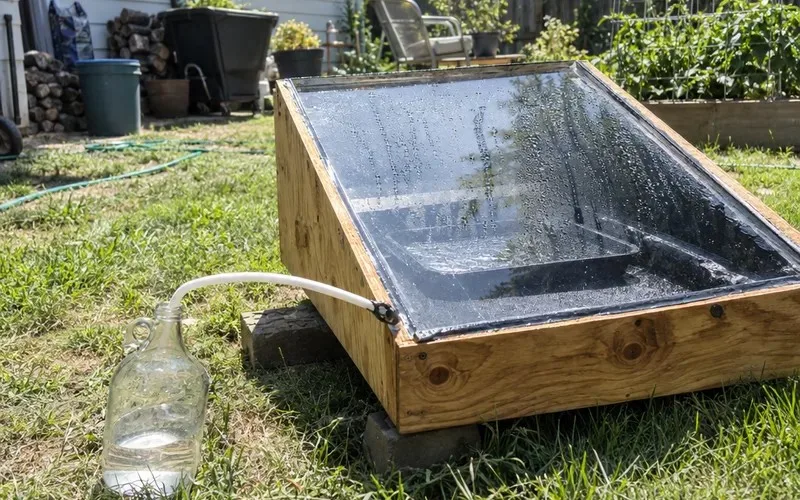
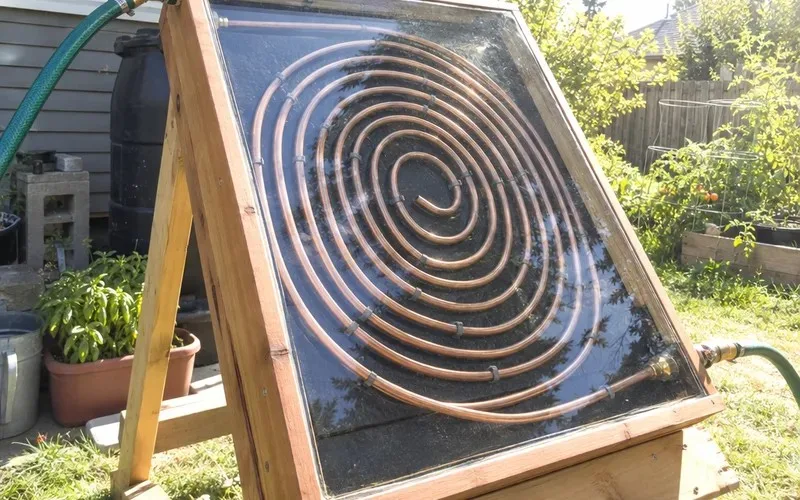
Continuous-flow solar disinfection reactors represent another active research area. Unlike batch processing with individual bottles, these systems channel water through UV-transparent tubing exposed to concentrated solar reflectors, allowing treatment of higher volumes without manual bottle handling.
Frequently Asked Questions
No. Clear PET plastic bottles (recycling number 1) and clear glass bottles are the only recommended options. Polycarbonate, PVC, colored plastic, and opaque containers block the UV radiation needed to kill pathogens. Always check the recycling symbol on the bottom of the bottle before using it.
Yes, when prepared correctly using the SODIS method. The World Health Organization endorses solar water disinfection as a daily treatment method for communities without treated water access. Studies on long-term PET bottle use confirm that any chemical migration from the plastic stays well below established safety limits.
No. Solar disinfection targets biological contaminants only, including bacteria, viruses, and protozoa. It does not remove chemical pollutants, heavy metals, pesticides, or dissolved salts. Use activated carbon filtration or reverse osmosis if chemical removal is needed.
No. Standard window glass filters out a significant portion of UV-A radiation, reducing it by 50 percent or more. Low-e and UV-protective windows block even more. Bottles must always be placed outdoors in direct, unfiltered sunlight for the disinfection process to work.
Under sunny conditions with less than 50 percent cloud cover, six hours of direct sun exposure meets the standard treatment threshold. Extend to 48 hours if cloud cover exceeds 50 percent for most of the day. Newer UV dosimeter strips that change color after adequate exposure provide a visual confirmation of treatment completion.
Yes, but treatment takes longer. Under partly to mostly cloudy skies with 50 to 100 percent cloud cover, extend exposure to 48 hours over two consecutive days. During continuous heavy rain or complete overcast, SODIS does not reach effective disinfection levels, so use boiling or chemical treatment instead.
Not quite. Boiling kills virtually all pathogens including heat-resistant spores within minutes, while SODIS is highly effective against bacteria, viruses, and most protozoa but may not eliminate every spore type. Boiling remains the gold standard when fuel is available.
Most people notice a cleaner, fresher taste compared to untreated water from the same source. The UV exposure and elevated dissolved oxygen levels reduce organic compounds responsible for unpleasant flavors and odors, which is especially noticeable with river or pond water.
Final Thoughts
Solarizing water ranks among the simplest and most accessible water purification methods on the planet. It costs nothing beyond a clear bottle, requires no technical knowledge, and works anywhere the sun provides several hours of direct light.
The science supporting SODIS is well established. Decades of research from institutions across multiple continents, combined with field deployment in over 33 countries, confirm that this method meaningfully reduces waterborne pathogens when performed correctly.
The complete process comes down to five actions: select a clear PET bottle, pre-filter and oxygenate, position horizontally in full sun, wait six or more hours, and store sealed. Each step exists for a documented scientific reason, and skipping any of them reduces the safety of your treated water.
Solarization is not a universal solution since it cannot address chemical contamination and requires adequate sunshine. But as a zero-cost backup for emergencies, a practical tool for off-grid water independence, or a daily treatment method in areas without clean water infrastructure, it fills a role that few other approaches can match.