 SolarPowerNerd


If you’re thinking about going solar, this list covers the reasons that actually matter. From real cost savings to environmental benefits, here are 10 reasons to make the switch.
What Is Solar Energy?
Solar energy can simply be defined as energy gotten from the sun through radiations from the sun, used in generating heat, inducing chemical reactions and generating electricity.
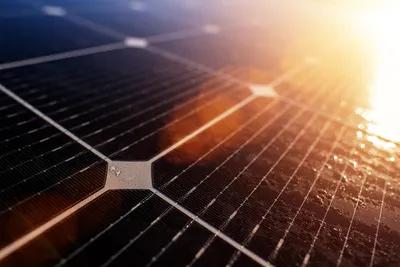
Solar power is generated freely by the use of solar panels which convert sunlight into electricity. Solar panels also use the sun’s heat energy for heating and ventilation systems that can be used in the home or office.
In the new world, solar energy is capable and effective in catering for all our energy needs as it a clean source of energy, renewable and eco-friendly.
The sun is the largest energy source available to us, but the intensity of sunlight reaching the earth is relatively low. This is caused by the radial spreading of radiation across vast distances.
The earth’s atmosphere and clouds also absorb or scatter about 54% of the sunlight that would otherwise reach the surface.
Some uses of solar power include:
- Thermal Energy - The sun’s energy can be harnessed for domestic uses such as cooking food through a solar oven.
Solar ovens are constructed to be very portable for ease of use.
- Electricity generation - Solar cells (Photovoltaic cells) have fully been able to provide the electricity needed for domestic and industrial purposes.
A simple photovoltaic cell in a series connection can provide about 2 watts of power. By increasing the number of cells, systems can generate hundreds or even thousands of kilowatts of electricity.
If you’re looking at options for portable setups, a solar power generator is a great place to start.
Ways of converting Solar Energy into Solar Power
Solar energy in its raw form needs to be converted into usable solar power. The main methods for this conversion include:
- Director Photovoltaic (PV) - This involves the use of solar panels and the power generated is used for the supply of electricity
- Indirect or solar thermal - Thermal connectors that obtain their energy from the sun are used to attain this conversion.
Here are 10 benefits attached to switching to solar power.
1. Solar Power is a Cost Effective Source of Energy
It is an indisputable fact that whenever we look towards the sky during daytime the sun is always there and even at night the sunlight is reflected through the moon.
Many people argue that the upfront cost of installing solar panels is too high. But it pays to think long-term before making that call.
Investing in solar is similar to buying a home instead of renting. You pay more upfront, but you stop paying a landlord (or utility company) every month.
Once you go solar, you no longer depend on electricity providers with unpredictable pricing. That kind of energy independence adds up to real savings over time.
A micro inverter setup can also help you get the most out of every panel.
2. Electricity All Day Every Day
One common misconception is that solar panels stop working on cloudy or rainy days. In reality, panels draw energy from daylight, not direct sunlight, so they keep producing power throughout the day.
For many parts of the world, round-the-clock electricity is not a luxury. In countries with unstable or erratic power supply, reliable solar energy is a real game changer.
Research has shown that one-quarter of the world’s population lacks electricity. For these communities, solar removes the need for fuel-powered backup generators that can’t run all day.
By switching to solar, households in these regions can have electricity around the clock without worrying about refueling costs.
3. Saving The Earth
By going solar you are helping the planet in a real and measurable way.
Global warming is now a very big problem for our planet. The use of solar energy is friendly to our eco-system and reduces the consumption of natural raw materials normally used to generate electricity.
Solar energy is clean. It has no adverse effect on the environment as it only requires very little water to perform its function.
Solar energy also preserves habitats by reducing the need for coal mining. Mining renders the land barren and can put workers’ lives at risk.
4. Make Human Health A Priority
Since solar energy reduces environmental pollution, the air we breathe becomes cleaner and less toxic. Ozone layer depletion caused by natural resource emissions is also reduced.
A survey carried out in the US has shown that fossil fuels generate more than 60% of the electricity consumed. Combustion of these fuels leads to the release of the following gases:
- Carbon monoxide - can cause nausea, headache, vomiting.
- Oxides of Nitrogen - causes damage to the lungs from an increase in ground-level ozone
- Mercury and other heavy metals - dangerous to humans and animals
- Carbon dioxide - a greenhouse gas capable of depleting the ozone layer, leading to exposure to harmful rays from the sun.
5. Decrease Economic Dependence Of A Country
By switching to solar power as a source of energy generation the economy of a country can be revived.
Going solar leads to more companies entering the installation business, which creates a chain of events resulting in gainful employment.
Switching to solar power also reduces a country’s dependence on oil-exporting nations. This gives a country energy independence, so it doesn’t have to compromise its values or overlook harmful practices by its suppliers.
6. Solar Power Is Damage Resistant
The absence of mechanical parts (moving parts) in a solar panel has greatly minimized the tendency of components to fail suddenly during service.
The service life of a solar panel can last for more than 20 years. Just take a moment to think about how great that is.
Solar panels installed by skilled professionals have also proven to be stronger than regular roofs. They can withstand extreme weather conditions such as heavy rainfall, snowfall, and hail.
For homes considering a full rooftop solar system, durability is one of the biggest advantages.
7. Reducing Electric Waste
Regular electricity has to be generated from large power plants. During distribution, the tendency for wastage during transmission is significant because of the distances from the generation grid to the end user.
The use of solar energy eliminates this wastage as the panels are directly mounted on top of buildings. This reduces the distance from the point of generation to where the electricity is actually needed.
8. The Owner Becomes The Boss
How can solar power generate income for the owner? Through a process known as net metering.
Through net metering, owners of solar panels can get credits per KWH of electricity the panel produces. This leads to a meaningful reduction in cost over time.
Net metering lets the owner generate their own electricity, enabling them to return some of the energy that wasn’t used back to the grid.
Laws governing net metering have been approved in many states, but since it has not been fully accepted everywhere, availability will vary across the country.
9. Good Use Of Land
There is still a vast area of land that has not been put to use, most of it far from cities and highly commercialized areas. Instead of letting this land sit idle, it can be used to generate solar power and add value to the economy.
These rural parcels are not as highly priced as land in the cities. This frees up urban land for other applications where it is more needed.
In the UK, for example, a 40-acre solar farm was built with the capacity to supply 2,500 homes with the power needed for domestic purposes. That is a strong example of putting underused land to work.
10. It’s Cool!
Cool in this sense stands for two things.
First, keeping buildings cool. A study conducted by UC San Diego Jacobs School of Engineering concluded that PV panels act as roofing shades, helping buildings maintain lower temperatures.
Solar panels absorb rays from the sun and reflect them away from the roof. Without panels, heat would penetrate through the roof and leak into the building.
By calculating the amount that would have been spent on cooling a building with solar panels, a research team found the savings were equivalent to about 5%-7% of the price of the panels themselves.
The world’s first solar-powered road, opened in the Netherlands, was a marvel. It served as both a sight attraction and a functional energy source capable of powering a domestic household for about a year.
With the growth of solar power in the 21st century, some very cool innovations have emerged. Outdoor solar string lights are a popular example, adding both ambiance and energy savings to any yard or patio.
Over the years, solar-powered water features have also become a favorite. The shadows cast by pond lights create beautiful scenery, and solar fountains have become an eye-catching addition to gardens everywhere.
If you enjoy camping or the idea of solitude, solar lanterns are another great option. They hardly leave any carbon footprint and keep you powered up without fuel.
Frequently Asked Questions
How much does it cost to switch to solar energy?
The cost of switching to solar depends on the size of your home and energy needs. On average, a residential solar panel system costs between $15,000 and $30,000 before tax credits and incentives.
Federal and state programs can reduce that cost by 30% or more. Over time, the savings on electricity bills typically offset the initial investment within 6 to 10 years.
Do solar panels work in cold or cloudy climates?
Yes, solar panels work in cold and cloudy conditions. Panels generate electricity from daylight, not heat, so they actually perform more efficiently in cooler temperatures.
Countries like Germany and the UK, which are not known for constant sunshine, are among the top solar energy producers in the world.
What is the typical lifespan of a residential solar panel system?
Most solar panels come with a 25 to 30 year warranty from the manufacturer. In practice, many panels continue to produce electricity well beyond that timeframe at slightly reduced efficiency.
Maintenance requirements are minimal, typically limited to occasional cleaning and periodic inspections.
Can I go completely off-grid with solar?
Going fully off-grid with solar is possible but requires careful planning. You will need enough panels to meet your total energy demand, along with a battery storage system to cover nighttime and cloudy periods.
Many homeowners choose a hybrid approach, staying connected to the grid while using solar to cover most of their daily electricity needs.
Final Thoughts
Switching to solar energy is one of the most practical steps you can take toward lower energy bills and a smaller environmental footprint. The technology has matured, costs have dropped, and government incentives make it more accessible than ever.
No matter what draws you to solar first, the case for going solar is strong.
The benefits go beyond your monthly electric bill. Solar energy reduces air pollution, creates jobs, and puts underused land to productive work.
It also adds long-term value to your property, making it a smart investment on multiple levels.
If you have been on the fence about making the switch, the 10 reasons above should give you a clear picture of what solar can offer. Start by evaluating your home’s energy needs, exploring local incentives, and getting quotes from qualified installers.
The sooner you start, the sooner you start saving.