


Solar cells cost $76.00 a watt in 1977.
By 2015, the same watt cost 30 cents, according to price data from Bloomberg New Energy Finance.
That price collapse drives the whole solar energy economy: cheaper power, new industries and new fights over who pays for the grid.
Below, you’ll see how solar changes electricity prices, jobs, incentives and household bills, plus where the economics still break down.
How Solar Energy Affects the Economy
Solar energy affects the economy in 3 main ways. It makes electricity cheaper, creates work in manufacturing and construction, and cuts what a country spends on imported fuels.
That last one adds up to energy independence, since sunlight can’t be cut off by a supplier abroad.
But consumers, investors and taxpayers don’t feel them the same way.
A homeowner sees a smaller power bill, while a coal plant owner sees a rival with no fuel cost.
And a taxpayer may see the subsidy that helped pay for it.
So how do economists compare all of this? They use one number: the levelized cost of energy.
That’s the total cost of building, running and fueling a power plant over its life, divided by its lifetime electricity generation.
In other words, it’s the price a plant must charge per unit of power to cover its costs. Solar’s version of that number tells most of this story.
How Much the Cost of Solar Power Has Fallen
Solar cells got about 99.6% cheaper from 1977 to 2015. Silicon PV cells fell from $76.00 per watt to $0.30, per Bloomberg New Energy Finance data in the Penn State EARTH 104 course.
Those cells are the heart of photovoltaics, the technology that turns sunlight straight into electricity.
Why did prices fall so far? The course points to Swanson’s Law, which says PV prices drop about 20% each time the number of cells produced doubles.
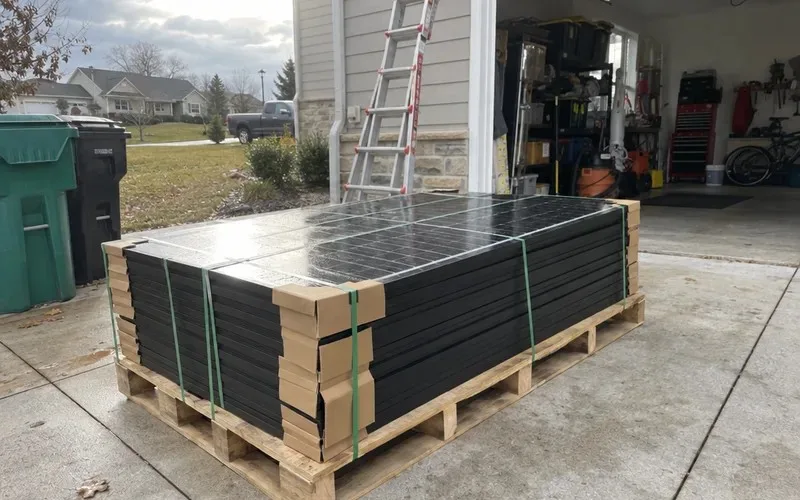
That creates a loop: cheaper panels sell more panels, and more production makes the next panel cheaper still.
Cell prices are only part of an installed system’s cost, though. Inverters, racking, permits and labor make up the rest, which is a big part of why solar panels still feel expensive to homeowners.
Is Solar Cheaper Than Fossil Fuels?
Yes, new solar power has been cheaper than new natural gas power in the United States since about 2015. By 2018, its levelized cost was under $30 per megawatt-hour, down from $180 in 2008, per Lawrence Berkeley Labs data on the Penn State course page.
That crossover has a name: grid parity.
Once solar matches the cheapest fossil fuel source, it makes sense on cost alone, with no argument about greenhouse gas emissions needed.
In the sunniest places, it goes even lower.
A Facebook post from the Unbox Energy page says utility-scale solar can approach $0.02 per kWh with strong sun and cheap financing. That’s a social media claim, not a study.
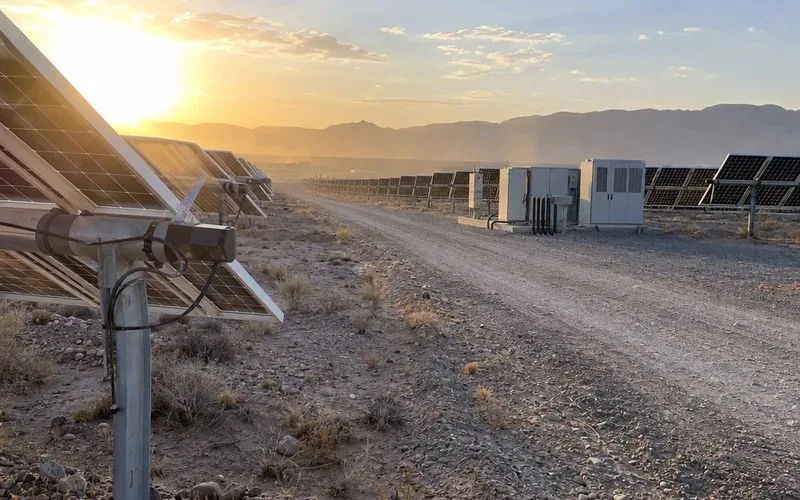
The catch? Those prices cover electricity made while the sun shines.
Power at 9 p.m. needs energy storage, backup plants or more grid infrastructure, and those costs sit outside solar’s headline number. Efficiency is a separate question from price too, and solar versus fossil fuels compares differently on output and emissions.
How Fast the Solar Industry Has Grown
The global solar PV industry has grown about 25% a year on average since 2000. That doubles its installed capacity every 2.7 years, per BP data charted in the Penn State EARTH 104 course.
Why does that matter for the economy?
Growth that fast pulls investment into factories, install crews, power lines and research, which feeds wider economic growth.
Where that energy development happens depends on sunshine, money and policy. The countries that use the most solar show how differently those 3 things line up from place to place.
Where Solar Jobs Come From
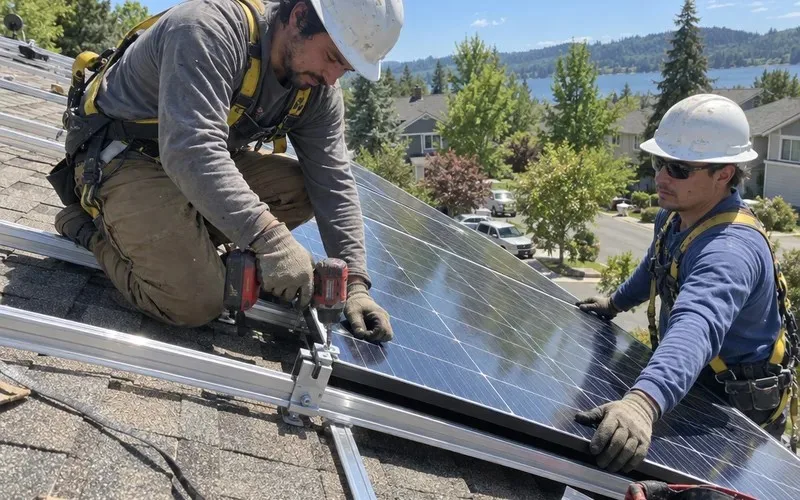
Solar jobs come from 4 kinds of work: making equipment, building solar farms, installing rooftop systems and keeping them all running. Sales, finance and engineering jobs grow up around them.
Much of that job creation is local by nature.
A panel can come from a supply chain overseas, but it still has to be bolted to a roof or a field near you. That’s why solar employment shows up in construction crews and electricians’ schedules, not just in factory towns.
Want a current head count? Look up the National Solar Jobs Census from the Interstate Renewable Energy Council (IREC) for the latest U.S. numbers.
And if you’d like one of those jobs yourself, the solar industry jobs you can get without a degree are a good place to start. The next step up is to become a certified solar installer, since installers do the hands-on work every project needs.
Does Solar Lower Electricity Prices?
Yes, solar power tends to lower wholesale electricity prices while the sun is up, because a solar farm has no fuel to buy. Your own bill depends on how your utility covers its grid costs.
Here’s how it works:
Grid operators generally buy power from the cheapest plants first. When solar floods the energy market at midday, the most expensive plants switch off and the price drops.
At night, the gas plants come back, and so does the higher price.
Rooftop solar works differently.
Under net metering, your utility credits you for extra power you send back to the grid, which shrinks your bill directly.
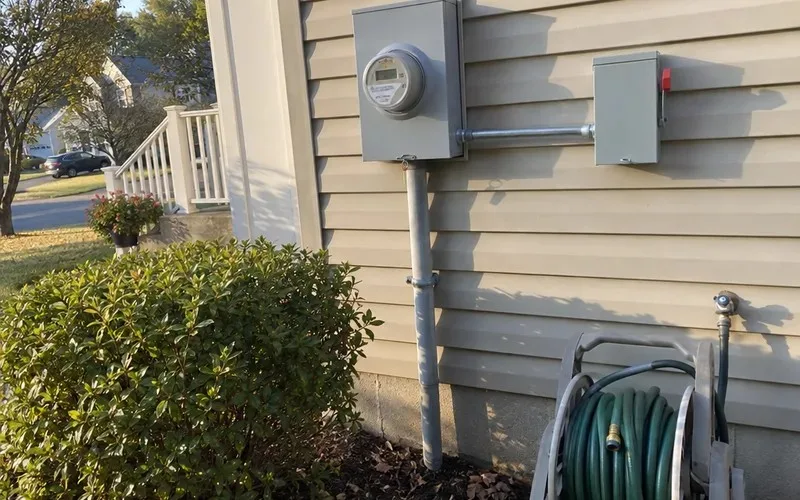
That credit rate is set where you live, and it often makes or breaks a rooftop system. So check how on-grid systems earn net metering credits before you buy.
How Government Incentives Shape Solar Economics
Government incentives make solar cheaper to build or more profitable to run, so they decide where solar grows first. Germany built one of the world’s largest PV markets with a feed-in tariff that paid over 30 cents per kilowatt-hour, per the Penn State course.
For many years, that tariff was more than five times the average U.S. power price.
Most incentives come in 3 forms:
- Feed-in tariffs: a set price for solar power, above the market rate.
- Rebates: cash that covers part of the install cost.
- Tax credits: a cut in the tax you owe after you install.
The trade-off? Someone pays for that push toward sustainability: taxpayers or other power customers.
Before you buy, check the IRS Residential Clean Energy Credit page for federal rules and your state energy office for local rebates.
Does Solar Really Save You Money?
Yes, solar saves you money when the power it makes is worth more than the system costs. That comes down to your power rate, install price, incentives, net metering credit and how long you’ll stay.
Here’s the math:
Payback years = net system cost ÷ yearly bill savings.
Say, hypothetically, a solar energy system costs you $18,000 after incentives and cuts your bill by $1,500 a year. That’s a 12-year payback, and the savings after year 12 are yours, minus repairs.
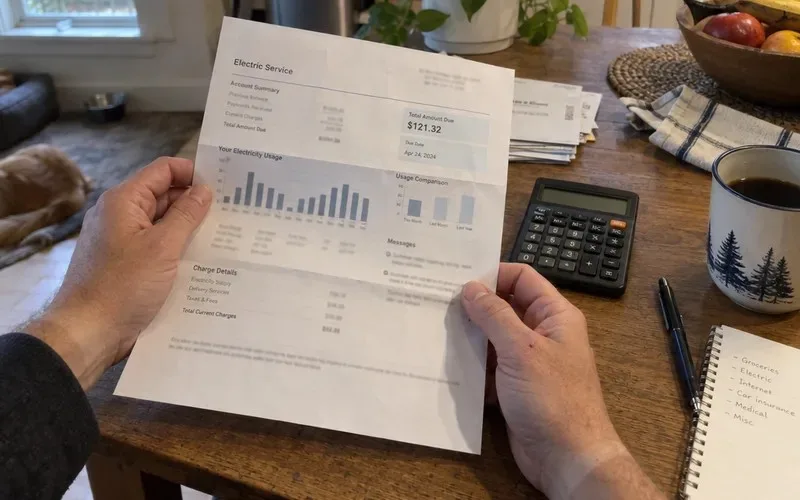
So the longer you’ll own the home, the better solar looks.
But a low rate or a shaded roof can sink the math. Those are classic reasons solar panels aren’t worth it for some homes.
For a fuller list of where the money comes from, these financial benefits of going solar break it down.
Key Takeaway: Solar pays off when your power rate is high and you’ll stay in the home past the payback year.
The Economic Downsides of Solar
Solar’s main economic downsides are a high upfront cost and power that stops when the sun sets. Subsidies paid by taxpayers or other ratepayers, and lost work in coal and gas towns, round out the list.
Intermittency, from nightfall and weather, is the big one.
Cheap solar power at noon doesn’t help at 7 p.m., so grids need batteries or backup plants, and that extra cost lands on someone’s bill.
Subsidies come next: a generous feed-in tariff speeds growth, but the money has to come from somewhere.
Then there’s the transition cost. When solar undercuts a coal plant, the plant runs less, and the towns that depend on its jobs and taxes feel it.
These are real limitations of solar energy, and they explain why the cheapest kilowatt-hour isn’t always the cheapest energy system.
What This Means for You
Solar’s economics come down to one trend: every doubling of production makes the next panel cheaper.
This week, pull 12 months of power bills, then divide a local quote by your yearly savings to get your payback number.
Frequently Asked Questions
Is solar still worth it in 2026?
Solar is still worth it in 2026 for a homeowner who pays a high electricity rate, has a sunny roof with little shade and plans to stay in the home past the payback point. Get a local quote, divide its net cost by your yearly bill savings, and compare that payback with how long you expect to stay.
What is Swanson's Law?
Swanson’s Law is the pattern that solar PV prices drop about 20% for each doubling of the number of PV cells produced, as the Penn State EARTH 104 course explains. It’s the main reason solar keeps getting cheaper as more of it gets built.
What is grid parity in solar energy?
Grid parity is the point where solar power costs the same as electricity from the cheapest fossil fuel source. In the United States, solar’s levelized cost has been slightly below natural gas power since 2015, according to Lawrence Berkeley Labs data shown in the Penn State EARTH 104 course.