 SolarPowerNerd

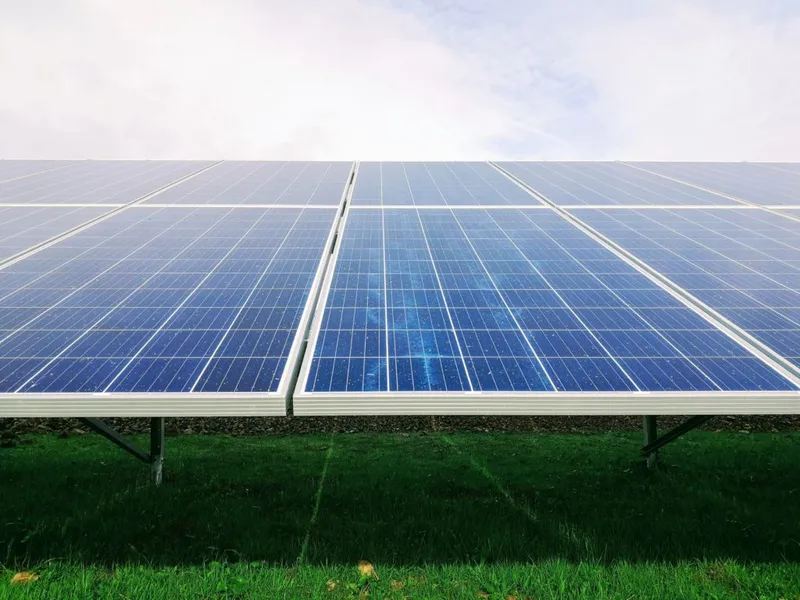
Most solar panel owners leave free electricity on the table without realizing it. These ten tips cover the adjustments, habits, and maintenance steps that make a real difference in how much power your system produces.
Installing solar panels is just the first step. Getting the most electricity from your system requires attention to placement, maintenance, and daily usage habits.
If you are still planning your installation, our guide to the best solar kits for tiny houses covers smaller-scale setups.
Tips to Maximize Solar Panels Efficiency
The following ten tips can help you get the best out of your solar investment. Each one addresses a different factor that affects how much power your system delivers.
1. Use More Sunlight
Solar panels generate energy using sunlight, which means they produce electrical power only during the day. If you want to get the most from your system, schedule your heaviest energy use for peak sun hours.
Ways to do this include:
- Recharge all your electronic devices such as mobiles, laptops, lamps, and other gadgets during daylight hours.
- Put all your solar devices in sunlight for a full recharge and make them ready for night use.
- Adjust your cooling or heating devices that work with solar energy to the desired temperature during the daytime so you can switch them off at night.
- If you have inverters with energy storage capability, recharge them properly during the day to minimize wastage of power.
2. Use Only One Device at a Time
The number of devices you can charge for free depends on the size of your solar panel and the amount of power these appliances consume. One good method to make certain you are using less electricity is to run a single high-draw device at a time.
A few examples:
- Do not use your electric razor and hairdryer at the same time.
- Do not run your vacuum cleaner and dishwasher simultaneously.
- Turn off your television when you are not watching it.
3. Install a Backup Battery
Several solar battery systems are available on the market, and investing in one can help you store excess daytime energy for later use. Some solar-powered systems, like solar lamps, already come with built-in storage.
You can use stored energy at night to keep your electricity usage at a minimum. An added benefit is that you will still have power during a blackout. For a closer look at storage options, see our roundup of the best solar storage batteries.
4. Make the Right Decision
The most essential point you need to keep in mind is to make an informed decision while buying a solar system. Research helps you understand the power capacity, features, and expected lifespan of different models.
Determining which solar system delivers the best value for your investment helps you keep electricity wastage at a minimum. Before purchasing, compare several models and read independent reviews to find the best energy conversion rates.
5. Install a Solar Concentrator
A solar concentrator is a device that focuses sunlight onto your solar panel, increasing the amount of energy it can capture. The process may also involve mirrors to amplify the effect.
These concentrators can increase the efficiency of your panels while also helping you save money over time. They are especially useful in locations where direct sunlight is limited for part of the day.
6. Place Your Photovoltaic Panels Smartly
Another important way to improve performance is to install your photovoltaic panels with the right orientation and tilt angle. Position them so they receive optimal sunlight throughout the year.
If you live in the southern hemisphere, orient your panels toward the north. If you live in the northern hemisphere, face them south.
Pay close attention to the tilt angle as well, so the panels get direct sun exposure throughout the day.
A micro-inverter can also help you get more from each individual panel, especially when some panels receive slightly less light than others.
7. Don’t Keep Solar Panels in Shaded Areas
Placing your solar panels in shade is one of the major factors that reduce system efficiency. Solar panels need direct sunlight to function properly, so make sure they are not kept in shaded areas.
Do not expect them to work well without enough solar energy. Even a shadow on one corner of a panel can significantly reduce the output of your whole system.
This is especially important when you connect multiple photovoltaic cells in series. If one cell is shaded, it can consume the energy produced by its neighbor.
Ensure all your cells are getting direct sunlight throughout the day.
8. Keep Your Solar Panels Clean
When dust accumulates on the surface of your solar panel, it lowers the efficiency of the photovoltaic cells because sunlight cannot reach them directly. Make certain that there is no dirt or dust buildup on the top of your panels.
Many surveys have shown that cleaning your solar panels once a year can improve efficiency by as much as 21% and boost your return on investment. Regular cleaning also improves the durability of your systems.
The longer they last in good condition, the more power they generate.
9. Prevent an Increase in Temperature
One major factor that impacts electricity generation is the temperature at which your panels operate. Most people assume that more sunlight always means more power, but that is not true.
In most cases, panel efficiency drops as temperatures rise. This effect is known as the temperature coefficient.
Ensure there is enough gap between the roof and your panels so air can circulate freely and carry heat away.
If you want detailed information on how temperature impacts solar panels, continue reading.
10. Maintain Your Solar System Properly
Solar systems can lose efficiency easily if not maintained properly. Clean them every six months to make sure they are free from dirt and rust.
You should also confirm that they are positioned for direct sun exposure.
Getting professional assistance every couple of years is worth the cost. A technician can identify hidden issues and fix problems before they get worse and begin costing you money.
Keep your systems maintained to improve their durability and reduce your long-term expenses.
Frequently Asked Questions
How often should I clean my solar panels?
Cleaning your solar panels at least once or twice a year is a good baseline. If you live in a dusty area or near trees that drop pollen and sap, you may need to clean them more frequently.
A garden hose and soft brush are usually enough for routine cleaning. Regular maintenance helps the panels capture as much sunlight as possible.
How much do clouds reduce solar panel output?
Clouds reduce solar panel output to roughly 10% to 25% of rated capacity under heavy cover. Even on overcast days, panels generate enough electricity to contribute to your system’s total production.
Positioning your panels at the correct angle helps capture whatever light is available. Pairing your system with a storage battery lets you draw on energy saved during sunnier periods.
What is the best angle for solar panels?
The ideal tilt angle depends on your latitude. A common rule of thumb is to set the tilt equal to your latitude for year-round production.
In winter you can increase the angle by about 15 degrees, and in summer you can decrease it by the same amount. Adjustable mounting systems make seasonal changes straightforward.
Can solar panels power my entire home?
Whether solar panels can cover all your electricity needs depends on your energy consumption, roof size, and local sunlight hours. Many homeowners offset 80% to 100% of their bill with a properly sized system.
Adding a backup battery helps cover nighttime and cloudy-day usage. For outdoor areas, solar garden lights can reduce the load your main system needs to carry.
Final Thoughts
Getting the most from your solar panels comes down to a handful of practical habits. Proper placement, regular cleaning, and smart energy scheduling are the biggest levers you can pull.
None of these steps require expensive upgrades, and most of them take very little time.
You can use solar energy to perform multiple daily tasks with ease. Keeping these tips in mind will help you improve the performance of your solar-powered panels and reduce the amount of electricity you draw from the grid.
Solar panels are a clean and green energy source. The more care you put into maintaining your system, the more electricity it will produce over its lifetime.
Bring as many solar panels into your life as you can, use them properly, and enjoy lower bills and a smaller carbon footprint for years to come.