 SolarPowerNerd

Global solar module shipments surpassed 300 GW in 2024, nearly doubling the total from just two years earlier. That explosive growth is concentrated among a small group of solar panel manufacturers producing at enormous scale while pushing cell efficiency higher each year.
Picking a panel from a proven manufacturer matters more than most people realize. Bankability, warranty reliability, and long-term company stability all influence whether your solar investment actually performs as expected over its 25 to 30 year lifespan.
A manufacturer that folds or exits the market cannot honor degradation guarantees or product warranties. Several well-known brands have done exactly that in recent years, leaving homeowners with panels but no company standing behind them.
The industry has also undergone a rapid technology shift. PERC cells, which dominated production through 2022, are being phased out in favor of N-type TOPCon and HJT architectures that deliver higher efficiency and better long-term performance.
If you’re buying panels today, knowing which manufacturers are leading that transition makes a real difference.
This guide ranks the 10 largest solar panel manufacturers based on shipment volume, manufacturing capacity, technology leadership, and global market reach.
How These Rankings Were Determined
Ranking solar panel manufacturers isn’t as simple as looking at one number. Shipment volume alone doesn’t capture the full picture, since some companies ship massive quantities of budget panels while others focus on premium efficiency.
This list weighs four factors equally. Annual module shipments in gigawatts measure production scale, while manufacturing capacity reflects a company’s ability to meet future demand.
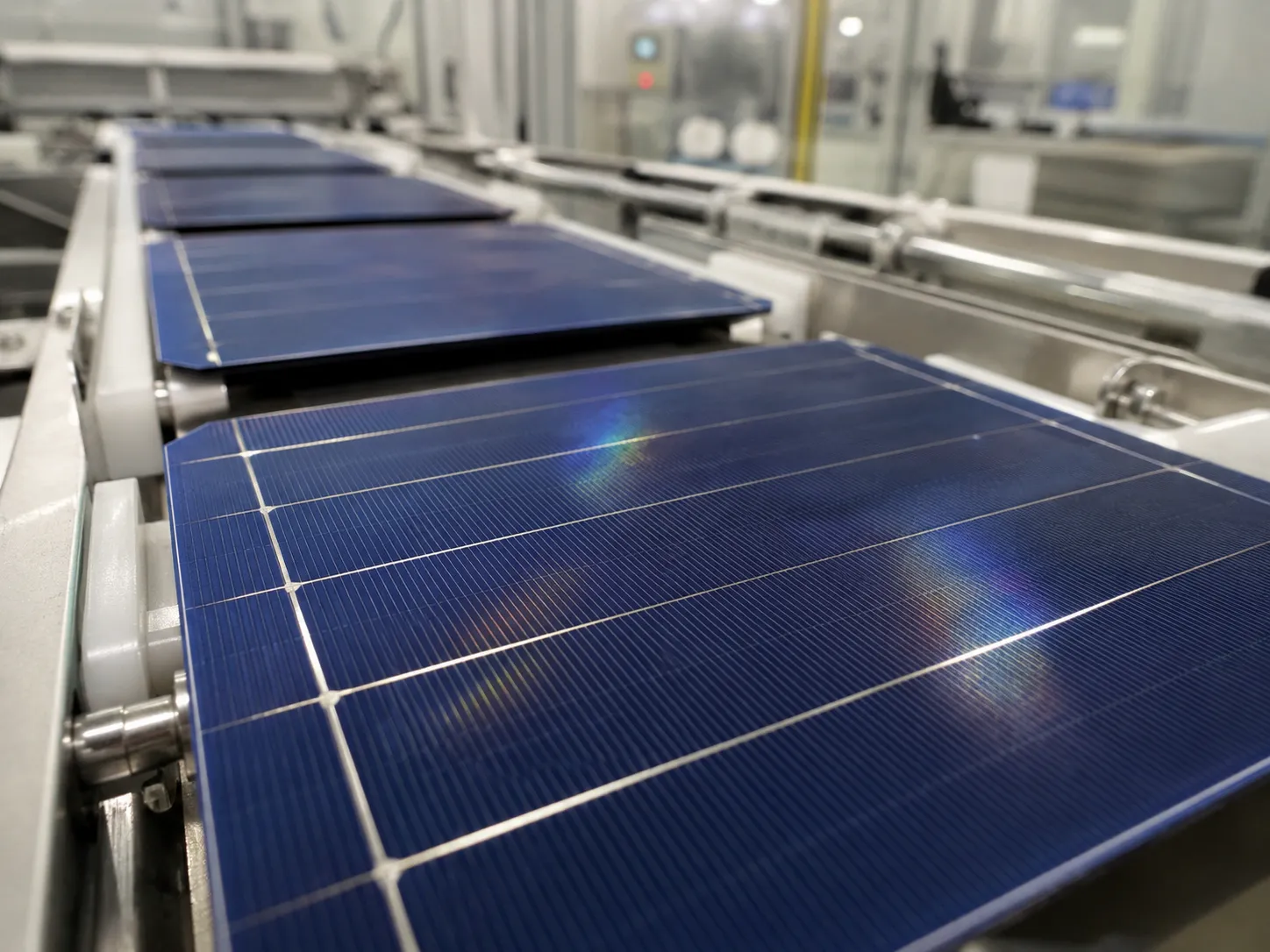
Technology portfolio covers cell architectures like N-type TOPCon, HJT, and IBC. Global presence accounts for factory locations, distribution networks, and regional market share.
Data sources include PV InfoLink shipment reports, Bloomberg NEF Tier 1 module maker lists, company annual reports, and IRENA global capacity figures from 2024 and early 2025. Companies that only sell unbranded or white-label modules were excluded, as were those without publicly available financial disclosures.
The 10 Largest Solar Panel Manufacturers
The 10 biggest solar panel manufacturers by shipment volume are JinkoSolar, LONGi, Trina Solar, JA Solar, Canadian Solar, Tongwei Solar, Astronergy, First Solar, Qcells, and Risen Energy. Together, they shipped over 460 GW of photovoltaic modules in 2024.
1. JinkoSolar
JinkoSolar has held the top position by shipment volume for three consecutive years. The company delivered approximately 100.4 GW of modules through the first three quarters of 2024.
That pace puts JinkoSolar on track to exceed 130 GW for the full year.
Founded in 2006 in Shanghai, JinkoSolar operates manufacturing facilities across China, Malaysia, Vietnam, and the United States. The company’s Jacksonville, Florida factory produces panels that qualify for domestic content incentives under the Inflation Reduction Act.
JinkoSolar was the first manufacturer to mass-produce N-type TOPCon cells at scale, launching its Tiger Neo series in 2022. The Tiger Neo lineup achieves module efficiencies above 22.8%.
Its latest N-type panels reach 580W or higher in 72-cell configurations.
R&D has always been central to JinkoSolar’s strategy. The company has set or tied 16 world records for solar cell and module efficiency.
One standout record is a 26.89% conversion rate for its large-area N-type monocrystalline silicon cell.
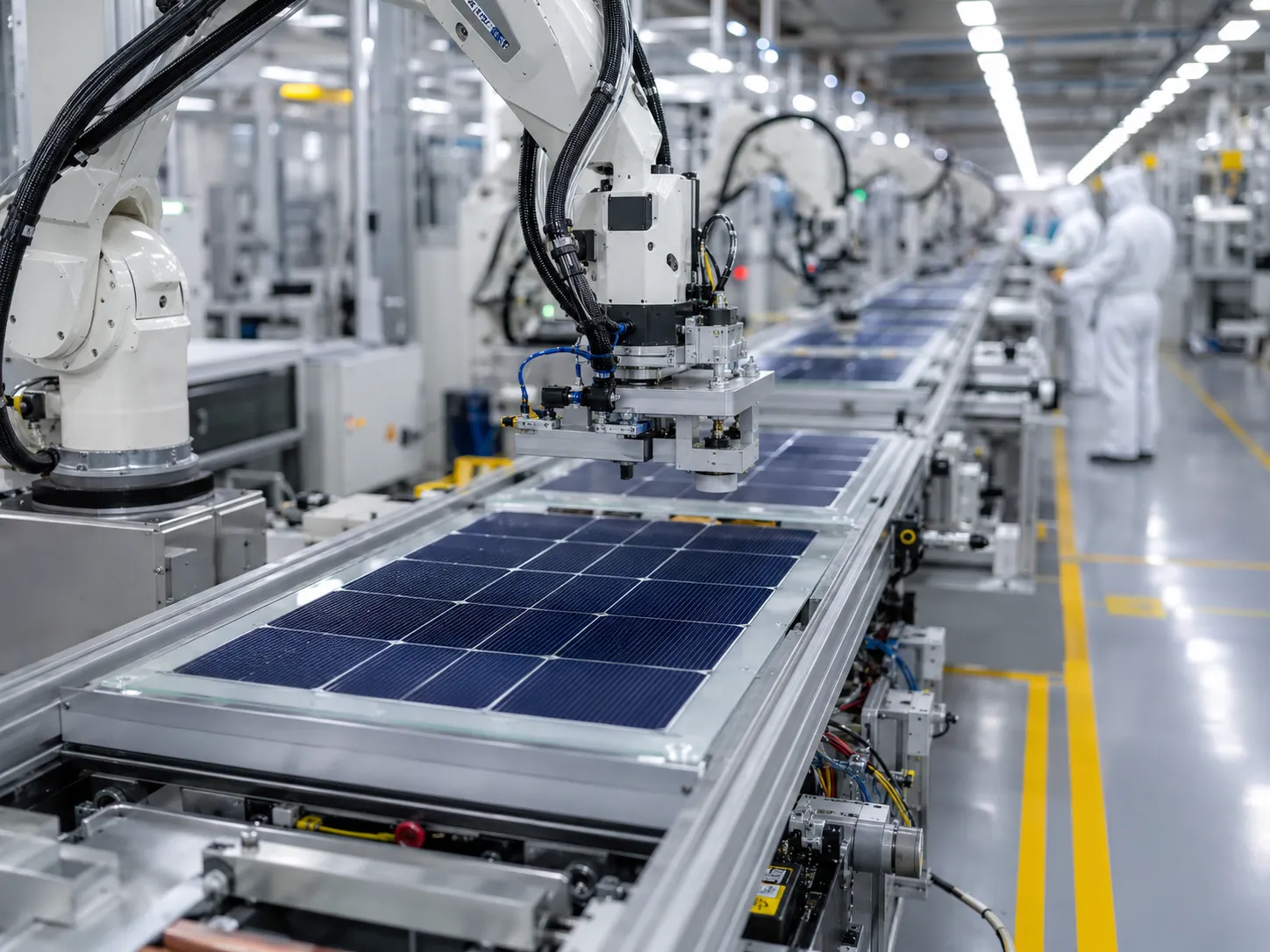
JinkoSolar invested more than $400 million in R&D in 2023 alone, a figure that exceeds the total annual revenue of many smaller panel makers. Its panels appear on every major bankability list, including Bloomberg NEF Tier 1, and consistently score among the top performers in PVEL’s independent module reliability testing.
JinkoSolar trades on the New York Stock Exchange under the ticker JKS, which gives investors and installers confidence in its financial transparency. Its global installer network spans over 180 countries with dedicated sales teams across North America, Europe, Latin America, and the Asia-Pacific region.
2. LONGi Green Energy
LONGi held the global shipment crown from 2020 to 2022 before JinkoSolar overtook it. The company still ranks among the top three, with estimated 2024 shipments around 50 GW.
Based in Xi’an, China, LONGi is the world’s largest producer of monocrystalline silicon wafers. This vertical integration gives it direct control over a critical input material, cutting both supply chain risk and production costs.
LONGi pioneered its “Solar for Solar” initiative, using solar-powered facilities in Yunnan province to manufacture wafers and cells. This approach cuts the carbon footprint of panel production, since the energy-intensive silicon purification step runs on hydroelectric and solar power rather than coal.
LONGi’s Hi-MO series is the flagship residential and commercial lineup. The Hi-MO X6 hits 22.5% module efficiency using back-contact cell technology, while the Hi-MO 7 uses HPBC (Hybrid Passivated Back Contact) architecture to push efficiency even higher.
LONGi also holds the world record for HJT cell efficiency at 27.30%, set at its central research institute in 2024. It’s a record that shows the company isn’t locked into just one cell architecture like most of its competitors.
With over 60,000 employees and factories spread across China, Malaysia, and Vietnam, LONGi’s production capacity exceeds 100 GW annually for wafers and over 80 GW for finished modules. It’s listed on the Shanghai Stock Exchange with a market capitalization that regularly places it among the most valuable solar companies worldwide.
LONGi’s long-term strategy centers on back-contact (BC) cell technology, which moves all electrical contacts to the rear of the cell. This approach eliminates front-side shading from busbars, squeezing additional power from the same cell area.
LONGi has described BC as its “ultimate technology platform” and is transitioning its entire product lineup accordingly.
3. Trina Solar
Trina Solar shipped approximately 65 GW of modules in 2024, placing it firmly in the top three globally. The company has manufactured solar products since 1997, making it one of the longest-operating panel makers in China.
Trina operates out of Changzhou, with production facilities across China, Thailand, and Vietnam. It also runs a dedicated innovation campus with more than 4,000 R&D engineers working on next-generation cell technologies.
Trina’s Vertex N series is its current flagship product line. Built on 210mm N-type TOPCon cells, the Vertex N modules deliver up to 600W+ in utility-scale formats and above 22.5% efficiency in residential panels.
Trina Solar isn’t just a module company, though. Its TrinaTracker brand is one of the top five solar tracker suppliers worldwide, giving Trina a presence across both the module and balance-of-system segments.
Trina has earned Tier 1 bankability status for over a decade and sells in more than 170 countries. Its vertically integrated supply chain covers everything from ingots and wafers through cells and finished modules.
In 2023, Trina Solar set a world record of 25.44% efficiency for its 210mm N-type monocrystalline silicon solar cell. Trina also helped push the industry toward large-format 210mm wafers, which have since become the dominant wafer size across multiple manufacturers.
The residential segment is another area where Trina excels. Its Vertex S+ series uses a compact form factor that fits standard rooftop mounting systems while still delivering over 440W per panel.
For homeowners weighing whether solar panels are worth the investment, Trina’s combination of high output and competitive pricing makes it one of the most commonly installed brands worldwide.
4. JA Solar
JA Solar delivered roughly 55 GW of modules in 2024, maintaining its position among the four largest global manufacturers. The company was founded in 2005 in Beijing and has grown into one of the most geographically diversified panel producers.
JA Solar runs manufacturing hubs in China, Vietnam, and Malaysia, with additional facilities planned for the Middle East and Indonesia. Spreading production across multiple regions helps it navigate tariffs and supply chain disruptions more easily.
JA Solar’s DeepBlue 4.0 series uses N-type TOPCon cells and reaches module efficiencies above 22.4%. It also makes bifacial panels built for utility-scale installations, where the rear side of the module captures reflected light to boost energy yield by 5% to 25% depending on ground conditions.
JA Solar reported a cumulative carbon reduction impact of 37 million tonnes of CO2 equivalent in 2023. The company publishes annual ESG reports and has committed to carbon-neutral operations across its manufacturing base by 2030.
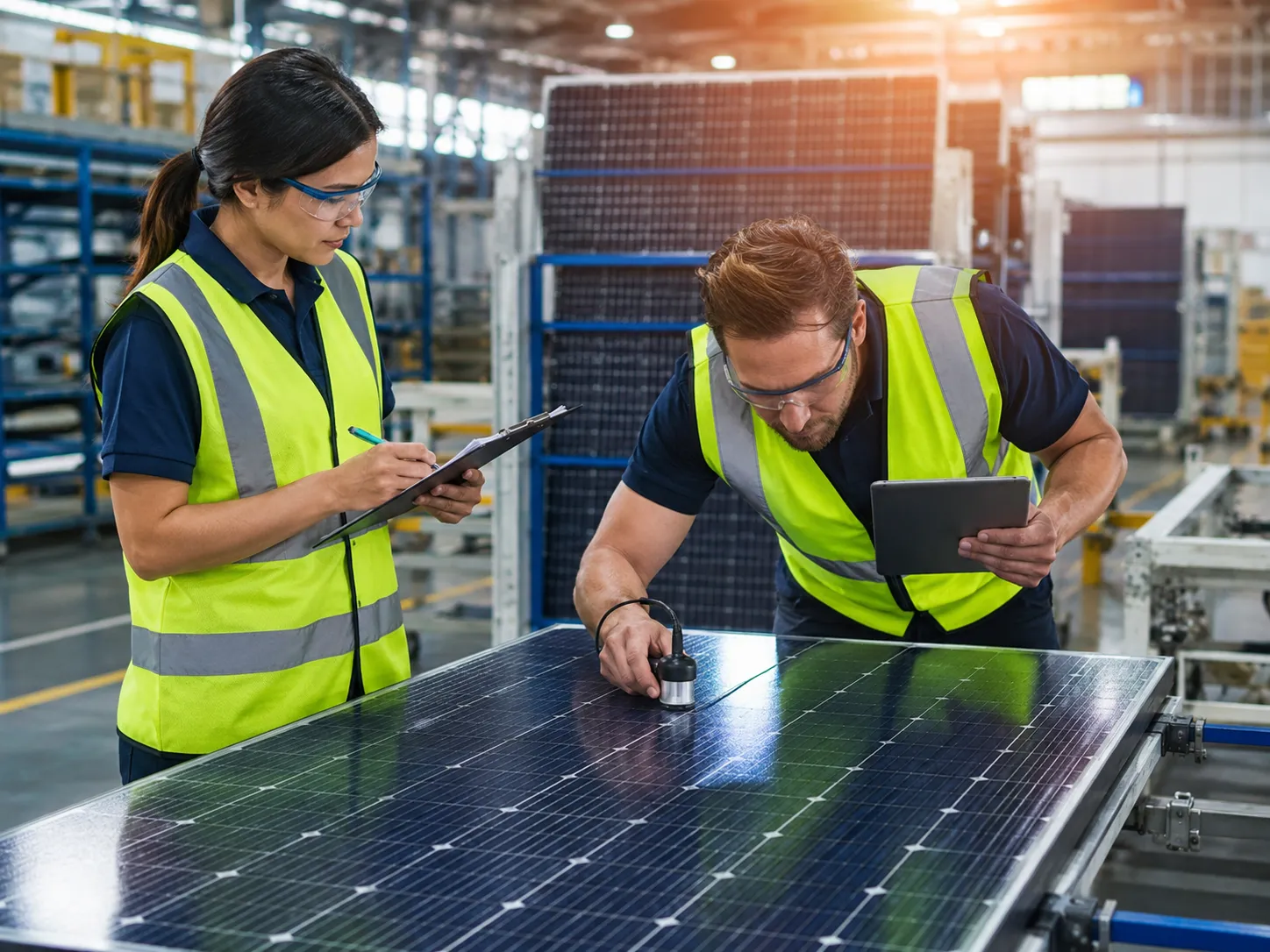
JA Solar’s finances back up the brand promise. It’s listed on the Shenzhen Stock Exchange and has posted positive net income every year since its re-listing in 2019, a track record that supports long-term warranty confidence.
JA Solar’s panel portfolio spans residential, commercial, and utility-scale segments. Its Percium product line targets the residential market specifically, offering higher power density in compact module sizes designed for space-constrained rooftops.
JA Solar has also moved into energy storage, pairing its modules with battery systems for commercial and utility projects. This diversification reduces dependence on module sales alone and puts JA Solar in a strong position within the growing solar-plus-storage segment.
5. Canadian Solar
Canadian Solar is the only company in the top five not headquartered in mainland China. Founded in 2001 in Guelph, Ontario, the company ships approximately 30 GW of modules annually and operates in over 160 countries.
What separates Canadian Solar from most competitors is its project development arm. The company doesn’t just manufacture panels.
It designs, builds, and operates solar power plants, with a total project pipeline exceeding 26 GW globally.
That dual focus gives Canadian Solar a different perspective on what installers and EPCs actually need from a module. Its HiKu and HiHero product lines cover utility, commercial, and residential segments.
The HiKu7 series uses N-type TOPCon technology and delivers efficiencies above 22.3% with power output reaching 620W in its largest format. These modules use 210mm wafers and multi-busbar technology to maximize energy production per square meter.
Canadian Solar also owns Recurrent Energy, one of the largest solar project developers in North America. This subsidiary manages operating solar plants and battery storage assets, providing stable revenue that supplements module sales during market downturns.
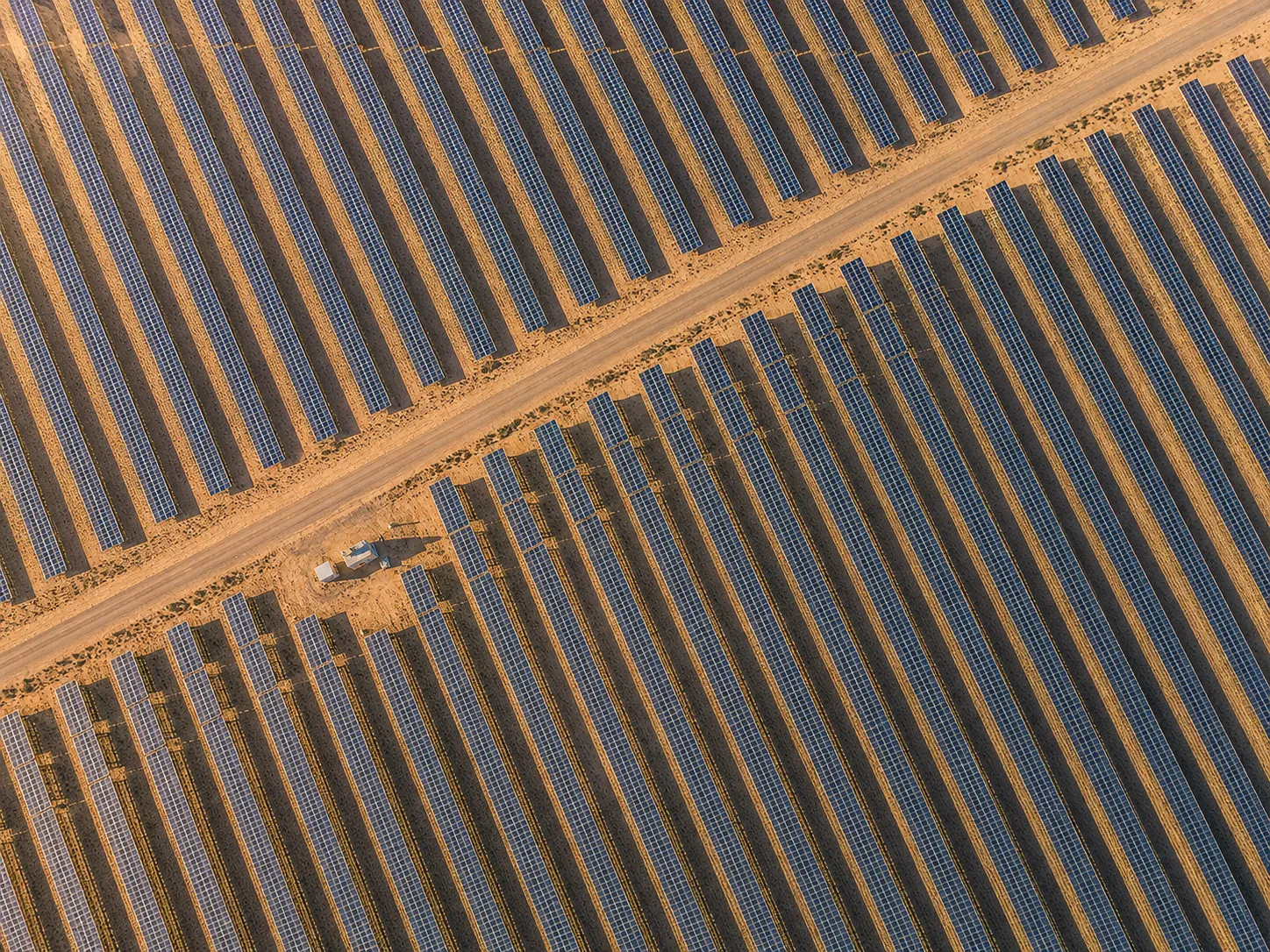
Canadian Solar trades on the NASDAQ under CSIQ and maintains Bloomberg NEF Tier 1 status. Its manufacturing footprint spans China, Thailand, Vietnam, Brazil, and the United States, with US production qualifying for IRA domestic content incentives.
6. Tongwei Solar
Most homeowners haven’t heard of Tongwei Solar, but it ranks among the largest module producers by shipment volume. Tongwei shipped approximately 44 GW of modules in 2024 and has rapidly scaled production since entering the finished module market in 2020.
Tongwei’s real dominance lies upstream. The company is the world’s largest producer of polycrystalline silicon, manufacturing over 450,000 metric tons annually.
That positions Tongwei as both a critical supplier to other panel makers and a vertically integrated manufacturer in its own right.
Out of Chengdu, Sichuan Province, Tongwei is also the first and only solar company to appear on the Fortune Global 500 list. The parent Tongwei Group pulls in revenues exceeding $20 billion, with aquaculture (yes, fish farming) as its other major business segment.
Tongwei’s TNC series features N-type TOPCon cells with efficiencies above 22%. It focuses heavily on the utility-scale segment and has become a go-to supplier for large ground-mount projects across China, Southeast Asia, and the Middle East.
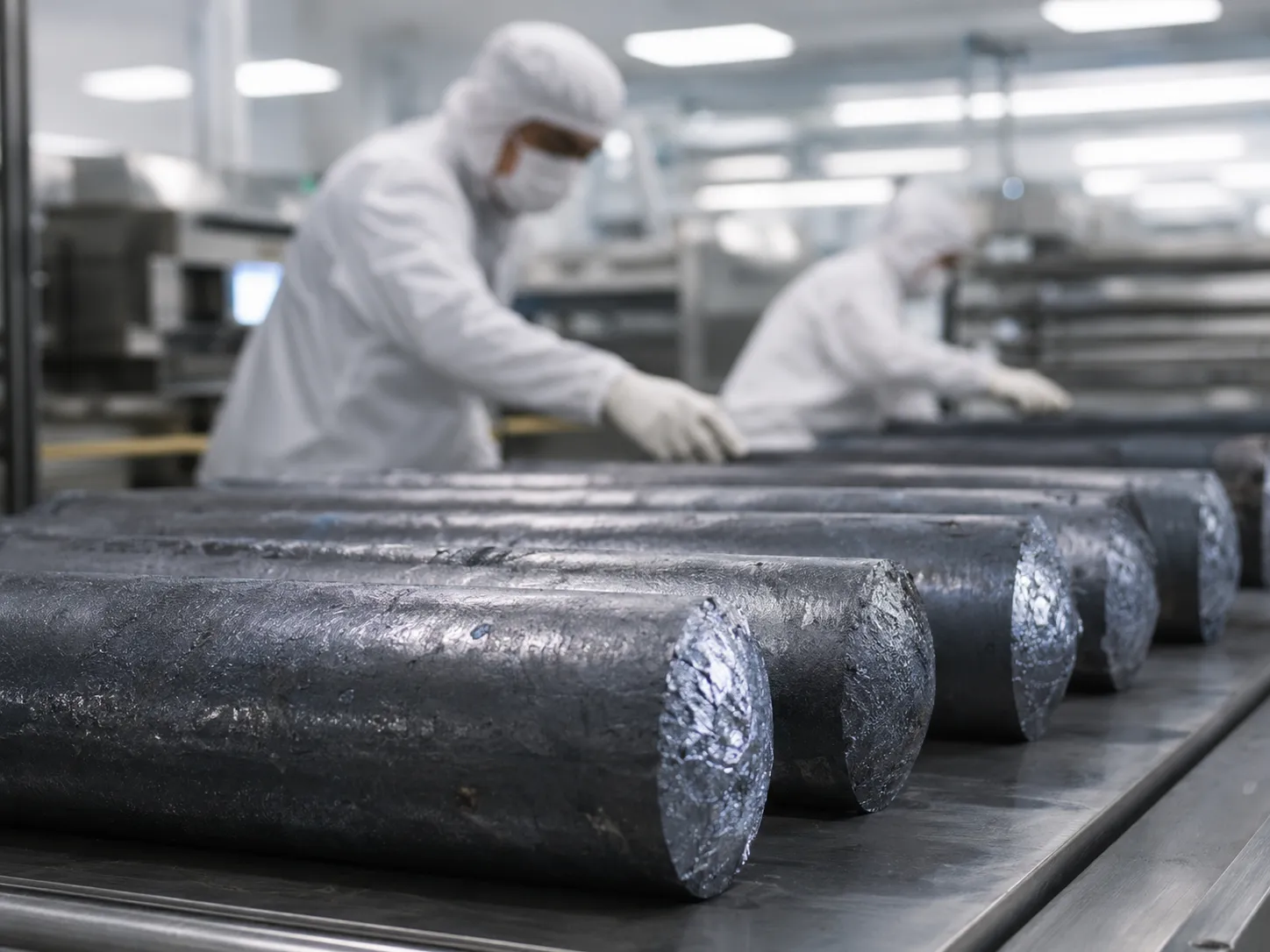
Where Tongwei really wins is on cost. By controlling polysilicon production, wafer manufacturing, and cell production in-house, it achieves some of the lowest per-watt costs in the industry.
That kind of integrated supply chain is nearly impossible for smaller manufacturers to replicate. Tongwei reported a cumulative CO2 reduction of 3.3 million tonnes in 2023, driven largely by the sheer volume of panels it deploys in renewable energy projects each year.
7. Astronergy (CHINT Solar)
Astronergy is the solar module subsidiary of CHINT Group, one of China’s largest electrical equipment conglomerates. The company shipped approximately 30 GW of modules in 2024, with strong growth in European and Latin American markets.
CHINT Group’s backing gives Astronergy financial resources that exceed most standalone solar companies. The parent company reported revenues above $10 billion in 2023, providing a stable foundation for warranty commitments and R&D investment.
Astronergy’s ASTRO N series uses N-type TOPCon cells and achieves module efficiencies above 22.5%. The company has focused heavily on the European commercial and industrial (C&I) segment, where its panels are frequently specified for rooftop and carport installations.
Astronergy maintains manufacturing facilities in China, Thailand, and Indonesia. It was also one of the first Chinese manufacturers to set up a dedicated European warehouse and service network, cutting lead times for distributors across the continent.
Astronergy holds IEC, TÜV, and UL certifications across its product range. It’s been a consistent presence on Bloomberg NEF’s Tier 1 list since 2020 and participates regularly in the PV module reliability scorecard published by PVEL.
In 2024, Astronergy opened a new 5 GW production facility in Thailand specifically to serve markets with anti-circumvention tariff concerns. This strategic investment positions the company to maintain competitiveness in the US and European markets regardless of shifting trade policies.
8. First Solar
First Solar stands apart from every other manufacturer on this list. While the other nine companies produce crystalline silicon panels, First Solar uses Cadmium Telluride (CdTe) thin-film technology, giving its modules different performance characteristics and a completely separate manufacturing process.
Based in Tempe, Arizona, First Solar is the largest solar panel manufacturer in the United States. It operates factories in Ohio, Alabama, and Louisiana, with a combined annual capacity exceeding 14 GW domestically.
All First Solar panels sold in the US are manufactured within the country. The Series 7 module is the company’s current flagship product, measuring roughly 2.4 meters by 1.2 meters and delivering around 580W with a module efficiency above 19.8%.
While that headline efficiency is lower than top crystalline silicon panels, CdTe technology performs better in high-temperature and humid conditions where silicon modules lose output. The lower temperature coefficient means less performance degradation on the hottest days of the year.
First Solar’s biggest advantage is its position under US trade policy. American-made panels qualify for enhanced IRA incentives, and First Solar’s CdTe process avoids the polysilicon supply chain entirely, sidestepping concerns about forced labor restrictions that have affected imports from China’s Xinjiang region.
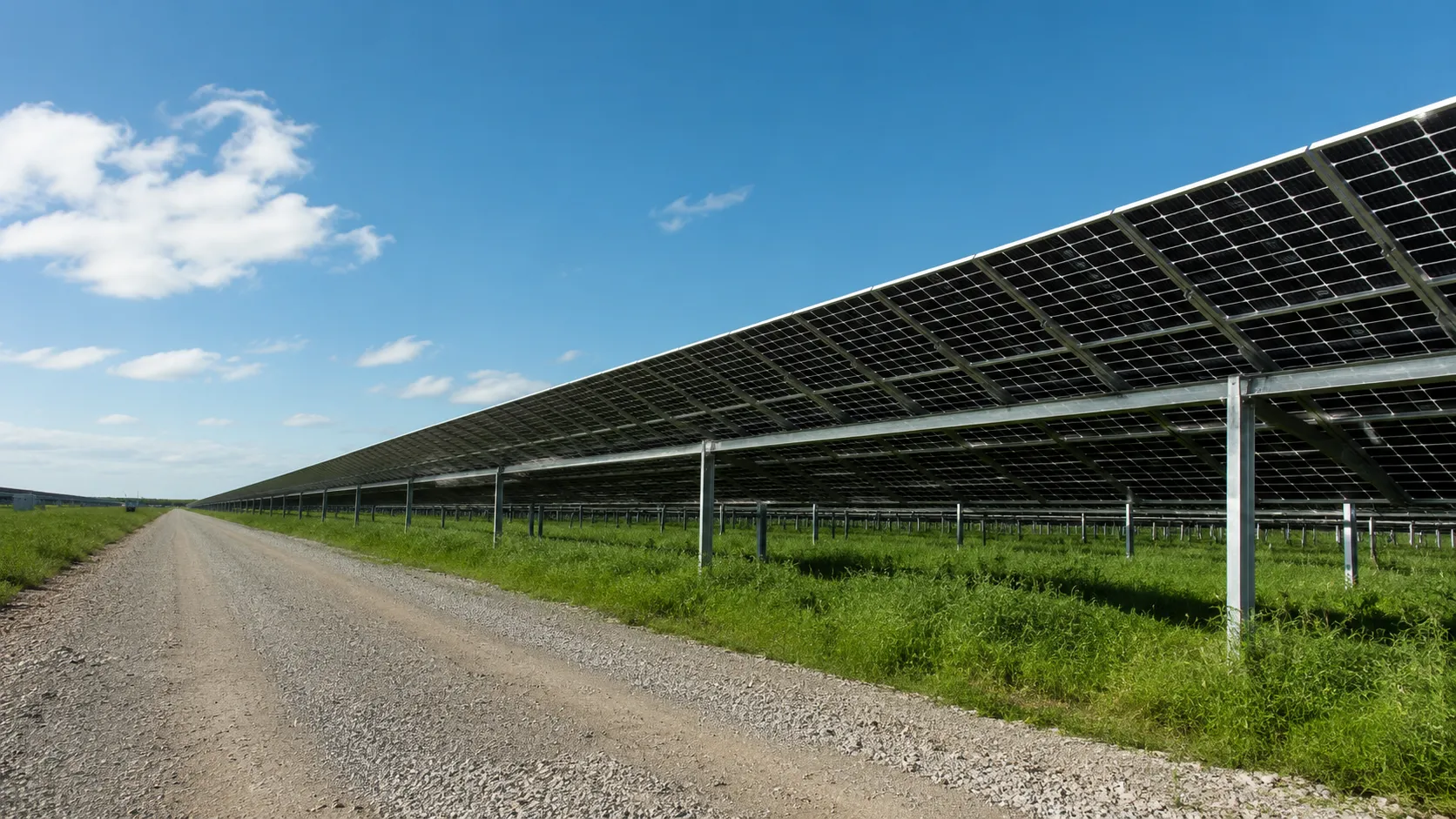
First Solar trades on the NASDAQ under FSLR and carries one of the strongest balance sheets in the solar manufacturing sector. Its multi-year order backlog exceeds 70 GW, a clear signal of strong demand from US utility-scale developers who value supply chain certainty and domestic sourcing.
On top of that, First Solar runs one of the industry’s most advanced panel recycling programs. Its recycling process recovers over 90% of the semiconductor material and glass from end-of-life modules, addressing a growing concern about solar panel waste that crystalline silicon manufacturers have been slower to tackle.
9. Qcells (Hanwha)
Qcells is a subsidiary of Hanwha Group, the South Korean conglomerate with revenues exceeding $50 billion. It ships approximately 20 GW of modules annually and has become one of the most recognized solar brands in both North America and Europe.
Originally founded in Germany in 1999, Qcells went through insolvency before Hanwha acquired it in 2012. It rebuilt under Korean ownership and now runs manufacturing facilities in South Korea, Malaysia, the US, and China.
Qcells’ US manufacturing presence has expanded rapidly. The company’s Dalton, Georgia campus produces panels domestically, and a new 3.3 GW factory in Cartersville, Georgia came online in 2024.
These facilities make Qcells the second-largest US-based panel manufacturer after First Solar.
The Q.TRON series uses Qcells’ proprietary Q.ANTUM NEO technology, an N-type TOPCon cell design that achieves module efficiencies above 22%. Qcells also offers residential all-in-one solutions through its Q.HOME ecosystem, which bundles panels, batteries, inverters, and energy management software.
In the residential market, Qcells has stronger brand recognition than most competitors. It invests heavily in installer training programs and maintains a network of certified Qcells Partners across the United States and Europe.
Hanwha’s financial backing provides a stability guarantee that few solar manufacturers can match. With a Fortune Global 500 parent company, Qcells warranty commitments carry more weight than those from smaller, independent panel makers.
10. Risen Energy
Risen Energy rounds out the top 10, with estimated 2024 shipments of approximately 25 GW. Founded in 1986 in Ninghai, Zhejiang Province, Risen Energy is one of the older solar manufacturers in China, though it only began large-scale module production in the mid-2010s.
Risen’s Titan series uses N-type TOPCon and HJT cells, with the latest models exceeding 22.5% module efficiency. Few manufacturers have been as aggressive about adopting HJT technology at scale, which positions Risen as a leader in this emerging cell architecture.
HJT panels carry a lower temperature coefficient than standard TOPCon modules, meaning they retain more output in hot climates. This technical advantage gives Risen Energy a compelling selling point for projects in the Middle East, Southeast Asia, and the American Southwest.
Risen Energy operates manufacturing facilities in China, Malaysia, and Cambodia. The company also develops and operates utility-scale solar projects, with a portfolio spanning China, Australia, Japan, and several countries in Southeast Asia and Latin America.
Risen Energy is listed on the Shenzhen Stock Exchange and holds Bloomberg NEF Tier 1 status. Its market capitalization has grown significantly since 2020, reflecting investor confidence in both its technology roadmap and manufacturing expansion plans.
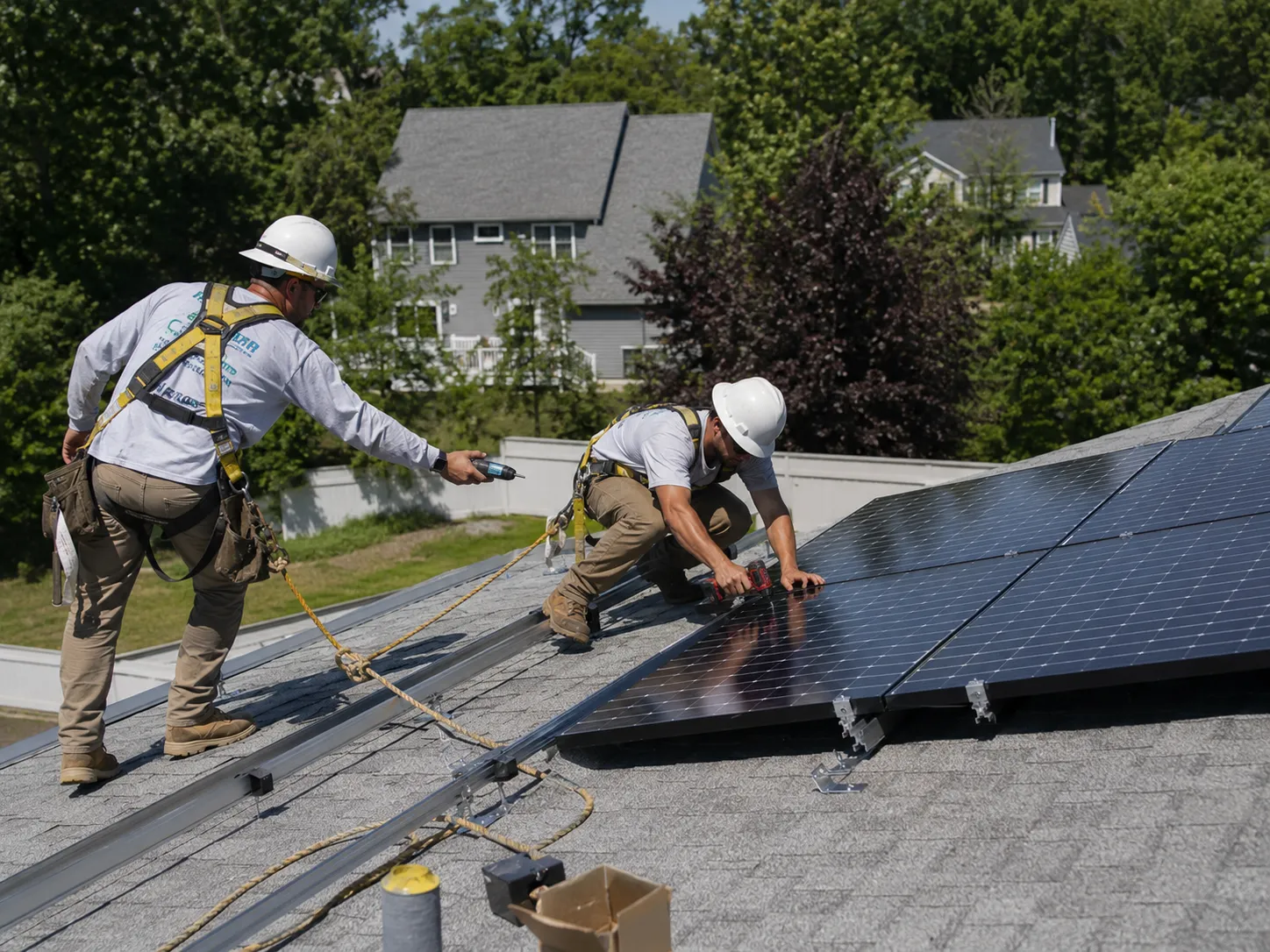
Risen Energy’s dual-technology approach sets it apart from manufacturers that have gone all-in on a single cell architecture. By producing both TOPCon and HJT modules, it can offer customers a choice between proven performance and next-generation efficiency.
That flexibility lets Risen tailor its product mix to specific regional preferences and project requirements. In hot climates where HJT’s lower temperature coefficient matters most, Risen can supply panels that outperform standard TOPCon modules from competitors.
Manufacturer Comparison Table
Here’s a side-by-side look at all 10 manufacturers across the metrics that matter most.
| Rank | Manufacturer | Headquarters | Founded | Est. 2024 Shipments (GW) | Primary Technology | Max Module Efficiency |
|---|---|---|---|---|---|---|
| 1 | JinkoSolar | Shanghai, China | 2006 | 130+ | N-type TOPCon | 22.8%+ |
| 2 | LONGi Green Energy | Xi’an, China | 2000 | ~50 | TOPCon, HPBC, HJT | 22.5%+ |
| 3 | Trina Solar | Changzhou, China | 1997 | ~65 | N-type TOPCon | 22.5%+ |
| 4 | JA Solar | Beijing, China | 2005 | ~55 | N-type TOPCon | 22.4%+ |
| 5 | Canadian Solar | Guelph, Canada | 2001 | ~30 | N-type TOPCon | 22.3%+ |
| 6 | Tongwei Solar | Chengdu, China | 2020 (modules) | ~44 | N-type TOPCon | 22%+ |
| 7 | Astronergy | Hangzhou, China | 2006 | ~30 | N-type TOPCon | 22.5%+ |
| 8 | First Solar | Tempe, USA | 1999 | ~16 | CdTe Thin-film | 19.8%+ |
| 9 | Qcells (Hanwha) | Seoul, South Korea | 1999 | ~20 | N-type TOPCon | 22%+ |
| 10 | Risen Energy | Ninghai, China | 1986 | ~25 | TOPCon, HJT | 22.5%+ |
Eight of the 10 companies on this list are headquartered in China, reflecting the country’s dominance in solar manufacturing. The two exceptions, Canadian Solar and First Solar, still operate significant production capacity in Asia alongside their North American bases.
N-type TOPCon has emerged as the clear technology winner in 2026, with nine of 10 manufacturers building their flagship products around this cell architecture. First Solar’s CdTe thin-film approach remains the only major commercial alternative at scale.
Total combined shipments from these 10 manufacturers exceeded 460 GW in 2024. To put that number in context, 460 GW of installed solar capacity could power approximately 75 million average American homes for a full year.
One trend that jumps out from the data is how close module efficiencies have become across manufacturers. The gap between the highest (JinkoSolar at 22.8%+) and the crystalline silicon floor (Tongwei and Qcells at 22%+) is less than one percentage point.
That convergence means efficiency alone isn’t a strong differentiator anymore. Factory location, warranty terms, financing compatibility, and technology roadmap now carry more weight in purchasing decisions than they did even two years ago.
Solar Cell Technologies Shaping the Industry
Three cell technologies define solar panel manufacturing in 2026: N-type TOPCon leads with adoption by 9 of 10 top producers, Heterojunction (HJT) holds the highest lab efficiency record, and Cadmium Telluride (CdTe) thin-film provides a silicon-free alternative for utility-scale photovoltaic projects.
Knowing the technology behind these manufacturers’ panels helps explain why some companies pour billions into specific cell architectures. The differences between them show up in real-world performance, degradation rates, and manufacturing cost.
N-Type TOPCon
N-type TOPCon (Tunnel Oxide Passivated Contact) is a solar cell architecture that uses a thin tunnel oxide layer and doped polysilicon on the rear surface to reduce electron recombination. It’s the dominant next-generation photovoltaic technology across the solar energy industry. Nine of the 10 manufacturers on this list produce TOPCon-based photovoltaic modules, and the technology has rapidly displaced older PERC (Passivated Emitter and Rear Contact) cells since 2023.
The result is higher voltage and current output compared to PERC, with commercial cell efficiencies now pushing above 26%.
The main appeal for manufacturers is that TOPCon production lines can be retrofitted from existing PERC equipment. This lower conversion cost allowed companies like JinkoSolar and Trina Solar to scale TOPCon rapidly without building entirely new factories from the ground up.
Heterojunction (HJT)
Heterojunction technology (HJT) is a solar cell design that layers amorphous silicon on both sides of a crystalline silicon wafer. This structure creates an extremely effective passivation layer, allowing HJT cells to achieve higher open-circuit voltage and lower temperature coefficients than TOPCon.
LONGi’s world-record 27.30% HJT cell efficiency shows just how high this technology can go. Risen Energy has also invested heavily in HJT production lines, betting that cost reductions will eventually make HJT competitive with TOPCon for mainstream production.
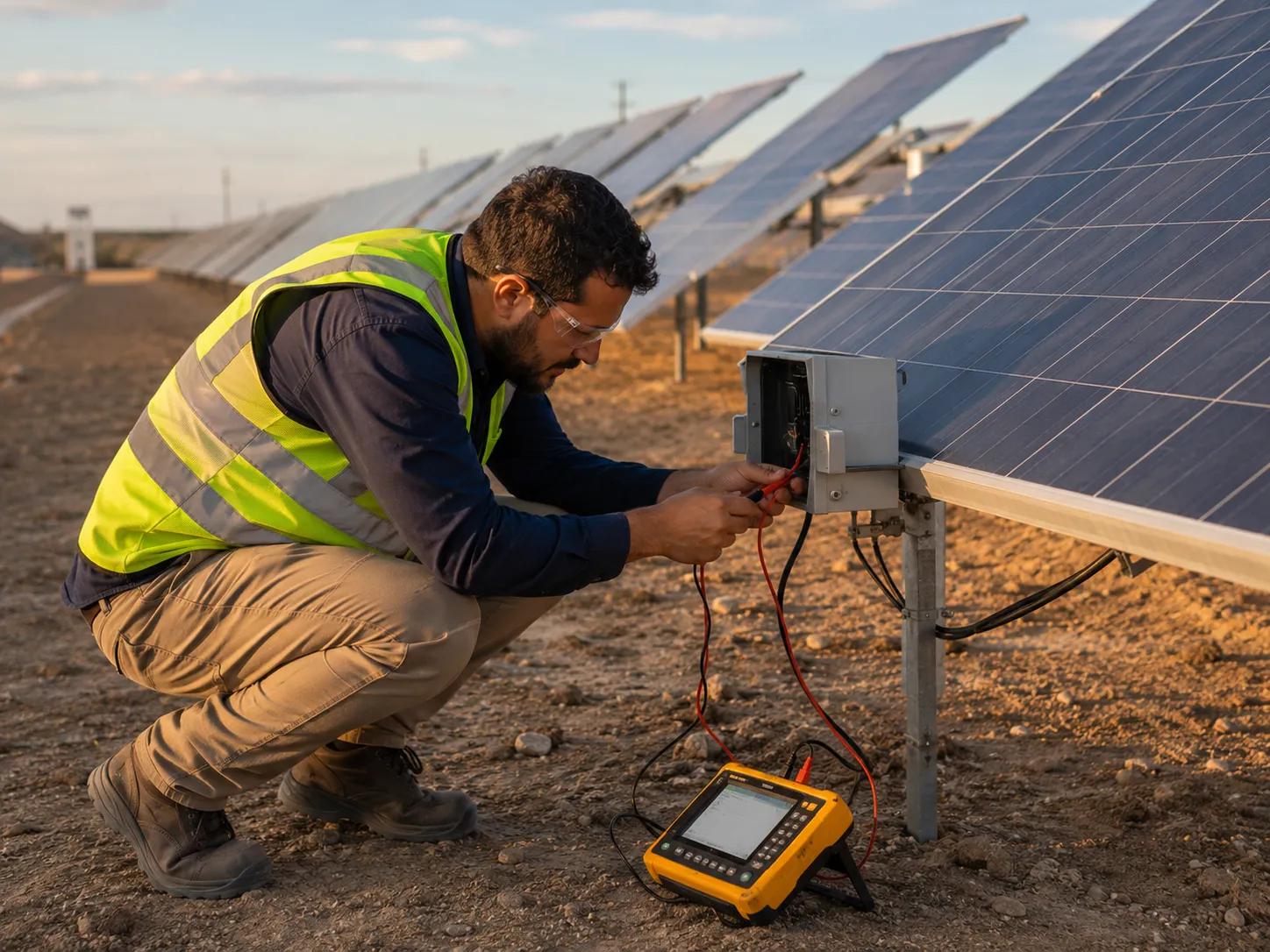
The challenge remains manufacturing cost, since HJT requires specialized equipment like PECVD (Plasma Enhanced Chemical Vapor Deposition) systems and low-temperature silver paste that cannot be sourced from existing PERC supply chains. HJT panels perform particularly well in hot climates because their lower temperature coefficient means less power loss as panel temperatures rise.
Cadmium Telluride (CdTe)
CdTe is the thin-film technology that First Solar has built its entire business around. Instead of slicing silicon wafers, CdTe panels deposit a thin layer of cadmium telluride compound onto glass using vapor deposition.
The upsides include lower manufacturing energy requirements, better performance in diffuse light, and superior high-temperature behavior. CdTe panels also skip the polysilicon supply chain entirely, which has become a geopolitical advantage for First Solar in the US market.
The tradeoff is lower peak efficiency compared to crystalline silicon. However, for utility-scale installations where land cost is low and levelized cost of energy matters most, CdTe’s total system economics can compete with or beat silicon panels on a dollars-per-kilowatt-hour basis.
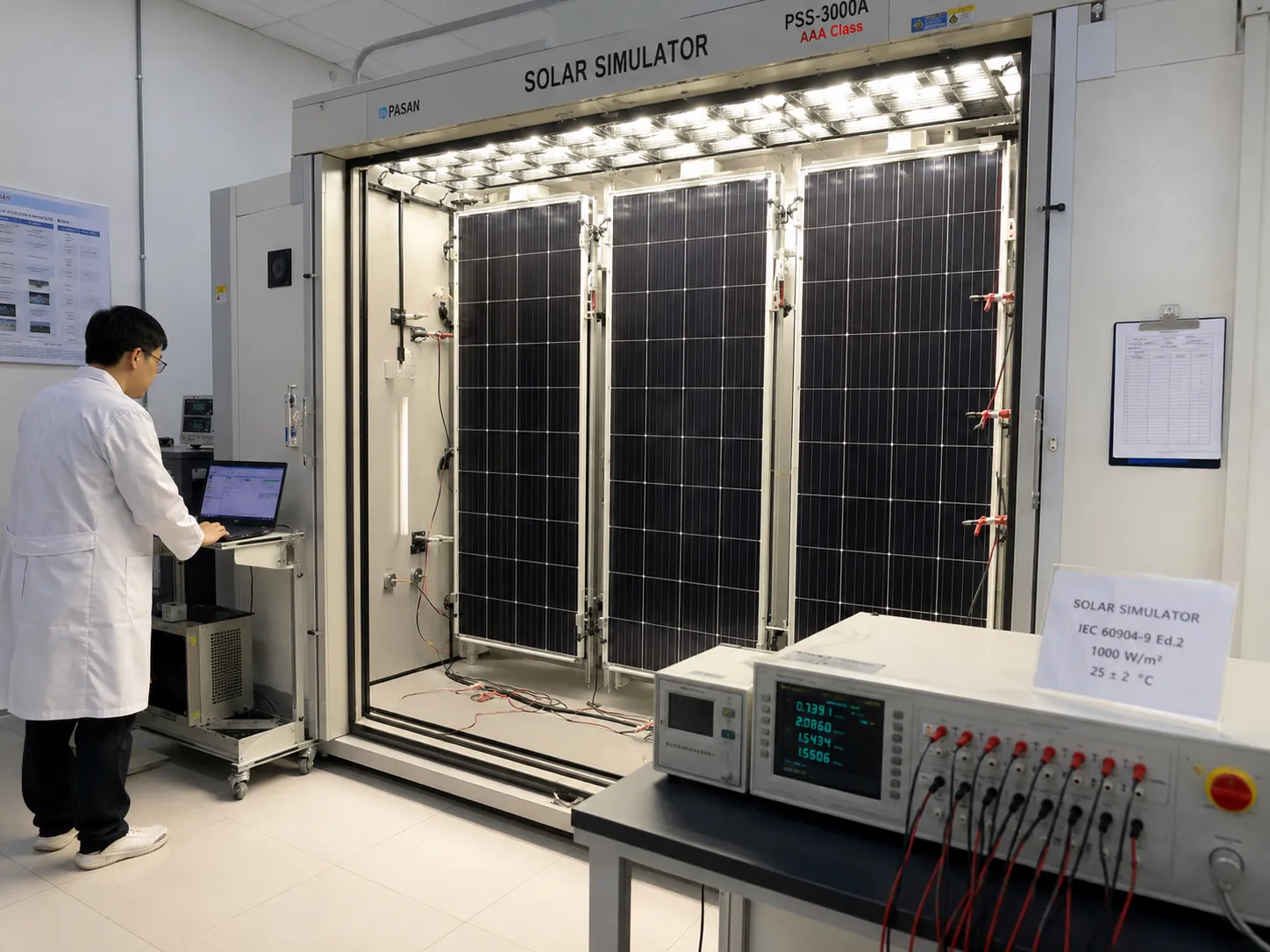
CdTe manufacturing also has a smaller carbon footprint than crystalline silicon production. First Solar’s energy payback time, the period needed for a panel to generate the energy used to make it, is roughly half that of a typical silicon module.
What Makes a Solar Panel Manufacturer Bankable
Bankability is a measure of whether financial institutions will fund solar projects using a specific manufacturer’s panels. For utility-scale solar farms that require hundreds of millions in capital, lender confidence in the panel maker is non-negotiable.
Bloomberg NEF publishes a quarterly Tier 1 Module Maker list that serves as the industry’s most widely referenced bankability benchmark. To qualify, a manufacturer’s panels must have been used in projects financed non-recourse by at least six different banks within the past two years.
All 10 manufacturers on this list maintain Tier 1 status. But bankability extends beyond the Bloomberg list alone.

Financial health indicators like debt-to-equity ratios, consistent profitability, and publicly audited financial statements all contribute to whether a manufacturer can honor its 25-year product warranty and 30-year performance guarantee.
Companies listed on US stock exchanges, like First Solar (NASDAQ), Canadian Solar (NASDAQ), and JinkoSolar (NYSE), are subject to SEC reporting requirements. That added transparency reassures both project financiers and homeowners that the financial benefits of their solar investment will be protected over time.
PVEL’s annual PV Module Reliability Scorecard offers another data point. This independent testing program evaluates modules for thermal cycling durability, damp heat resistance, and potential-induced degradation (PID).
Manufacturers that score well in PVEL testing demonstrate real-world reliability beyond laboratory efficiency records.
How to Evaluate a Solar Panel Manufacturer
Choosing a manufacturer isn’t just about picking the biggest name on the list. These factors should guide the decision for both residential and commercial solar energy buyers:
- Warranty structure — product warranty (12–25 years) plus performance guarantee (80–87.4% output after 25–30 years)
- Regional certifications — UL for the US, IEC and TÜV for Europe
- Local support — warehousing, technical staff, and installer networks for faster warranty claims
- Technology roadmap — investment in TOPCon, HJT, or back-contact cells signals long-term viability
- Trade policy exposure — tariff status and domestic production capacity
Compare the product warranty (defect coverage) and performance warranty (minimum output guarantee) separately rather than relying on the headline warranty length alone.
A manufacturer with local warehousing, technical support staff, and an established installer network will process warranty claims significantly faster than one relying entirely on overseas logistics. Companies still producing only legacy PERC panels risk falling behind as the industry transitions to higher-efficiency architectures.
Double-check that your panels are compatible with your preferred inverter and mounting system before buying. Most modern panels work with major inverter brands from Enphase, SolarEdge, and others.
But confirming compatibility upfront prevents installation delays.
Trade policy is another factor worth watching. US tariffs on solar panels imported from China, and anti-circumvention duties on panels assembled in Southeast Asian countries like Vietnam, Thailand, and Cambodia, can significantly affect pricing and availability.
Manufacturers with US-based production lines (First Solar, Qcells, JinkoSolar) sidestep these tariffs entirely. For buyers in markets with active trade restrictions, a manufacturer’s domestic production presence should be a key selection criterion.
Understanding how solar panels are made at a fundamental level also helps you evaluate marketing claims versus actual manufacturing quality. Knowing the difference between cell-level efficiency and module-level efficiency, for instance, prevents misleading comparisons between brands.
Pay attention to degradation rates as well. A panel rated at 22% efficiency on day one will lose a small percentage of output each year.
The best manufacturers guarantee no more than 0.4% annual degradation, meaning the panel still produces at least 87% of its original output after 30 years. Budget panels from lesser-known brands may degrade at 0.5% to 0.7% annually, a difference that compounds significantly over a system’s lifetime.
Frequently Asked Questions
Who is the number one solar panel manufacturer in the world?
JinkoSolar holds the top position by annual shipment volume. The company delivered over 100 GW of modules through the first three quarters of 2024 alone, surpassing every other manufacturer by a wide margin.
JinkoSolar has maintained this lead since overtaking LONGi in 2023.
Are Chinese solar panels reliable?
Chinese manufacturers produce the vast majority of the world’s solar panels, and the top-tier companies on this list meet or exceed international quality standards. JinkoSolar, LONGi, Trina Solar, and JA Solar all hold IEC, TÜV, and UL certifications.
They also appear consistently in PVEL’s annual reliability scorecard, which tests for thermal cycling, humidity resistance, and potential-induced degradation under real-world stress conditions.
Quality concerns typically arise with unbranded or white-label panels from unknown factories, not with established Tier 1 manufacturers. Checking the Bloomberg NEF Tier 1 list is the simplest way to verify a Chinese manufacturer’s credibility before purchasing.
What is a good efficiency rating for solar panels?
Most premium residential panels in 2026 achieve module efficiencies between 21% and 23%. Anything above 22% is considered excellent for rooftop installations.
Laboratory cell efficiencies reach much higher, with LONGi hitting 27.30% for HJT. But commercial module efficiencies are always lower because they account for real-world factors like wiring losses, cell spacing, and encapsulation.
Which solar panel manufacturer is best for US buyers?
First Solar and Qcells both operate large-scale manufacturing plants in the United States. Panels produced at these domestic facilities qualify for enhanced incentives under the Inflation Reduction Act.
JinkoSolar also has a US factory in Jacksonville, Florida. For buyers who prioritize American-made products or want to maximize their federal tax credit value, these three manufacturers offer the strongest domestic production credentials.
Do all top manufacturers use the same technology?
No. Nine of the 10 manufacturers on this list produce crystalline silicon panels, with N-type TOPCon as the dominant cell technology in 2026.
First Solar is the exception, using Cadmium Telluride (CdTe) thin-film technology that bypasses silicon entirely.
Within the crystalline silicon group, there are notable differences. LONGi uses its proprietary HPBC back-contact architecture, Risen Energy is investing heavily in HJT, and most others have standardized on TOPCon for their flagship product lines.
These technology choices affect real-world performance metrics like temperature coefficients, bifacial energy gain, and long-term degradation rates.
What does Tier 1 mean for solar panels?
Tier 1 is a bankability classification published quarterly by Bloomberg New Energy Finance (BNEF). A manufacturer earns Tier 1 status when its panels have been used in projects financed non-recourse by at least six different banks within the past two years.
Tier 1 reflects financial credibility and market acceptance, not panel quality or efficiency. A Tier 2 manufacturer can still produce excellent panels, but lenders view Tier 1 status as a risk indicator when underwriting large solar installations.
Are American-made solar panels worth the extra cost?
American-made panels from First Solar, Qcells, and JinkoSolar qualify for enhanced domestic content incentives under the Inflation Reduction Act. Those incentives can offset higher manufacturing costs, making US-produced panels cost-competitive or even cheaper after credits are applied.
Domestic production also provides supply chain certainty and avoids tariff exposure on imports from China and Southeast Asia. For utility-scale projects that depend on predictable procurement timelines, US-manufactured panels reduce both financial and logistical risk.
How long do solar panels from top manufacturers last?
Most panels from these manufacturers carry 25 to 30 year performance warranties guaranteeing at least 80% to 87.4% of rated output at the end of that period. The panels themselves typically continue producing electricity well beyond the warranty window, with real-world data suggesting lifespans of 35 to 40 years.
Annual degradation rates for premium N-type TOPCon panels run between 0.35% and 0.45% per year. That means a 400W panel will still produce around 350W after 30 years of continuous operation.
Final Thoughts
The solar panel manufacturing landscape in 2026 comes down to massive production scale, fast-moving photovoltaic technology transitions, and increasing geographic diversification. Chinese manufacturers still dominate global production, but companies like First Solar and Qcells are building significant capacity in the United States, shifting where panels are made and who benefits from clean energy incentives.
For homeowners and project developers, picking between these top solar companies comes down to matching your priorities with each company’s strengths. Buyers focused on maximum efficiency will gravitate toward JinkoSolar or LONGi.
Those prioritizing domestic manufacturing should evaluate First Solar or Qcells.
Large-scale developers seeking the lowest cost per watt may find Tongwei Solar’s vertically integrated supply chain most appealing. Every manufacturer on this list has proven its ability to deliver panels at scale, maintain financial stability, and advance the renewable energy technology that generates solar power for millions of homes and businesses worldwide.