 SolarPowerNerd

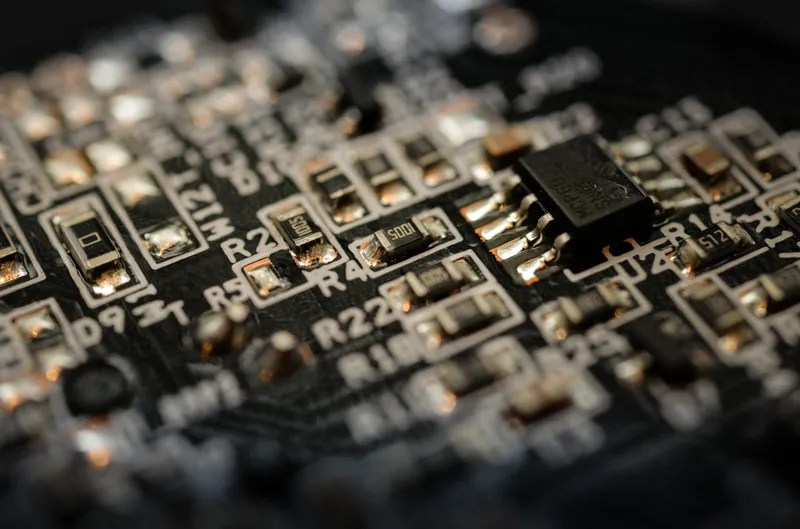
Your solar panels produce DC power, but your home runs on AC. The inverter is the piece that bridges that gap, and picking the right one matters more than most people realize.
Here’s how the four main types compare.
String Inverters
String inverters are also known as standard centralized inverters. Most small solar energy systems use this technology.
Each solar panel is wired into strings, and when the panels produce energy from sunlight, it all goes to a single inverter.
The inverter converts DC energy into AC energy. String inverter technology costs less and is easy to maintain.
This option works well for homeowners looking for an affordable solar PV system, especially on homes with direct sunlight throughout the day.
Micro-Inverters
Micro-inverters are high-performance inverters with more complex systems. They’re perfect for houses with limited or awkward roof space.
In micro-inverter PV systems, a small inverter is installed at each solar panel. Unlike string inverters that send energy to one central unit, micro-inverters convert DC to AC energy right on the roof.
Micro-inverters cost more than string inverters. You might also find maintenance trickier since each unit sits on the roof.
But they perform better when panels face different directions or get partial shade.
Power Optimizers
Power optimizer systems combine features of both string inverters and micro-inverters. Like micro-inverters, power optimizers sit on the roof next to individual solar panels.
But instead of converting DC to AC at the panel, power optimizers condition the DC energy by fixing the voltage. The energy still goes to a centralized inverter.
This approach is more efficient than a standard string inverter setup.
Power optimizers can improve your overall system efficiency, similar to micro-inverters. This option works best for homeowners who can pay more for better performance from their solar panel system.
Battery Inverters
If you want to keep your solar panels separate from the battery system, a dedicated battery inverter is the best choice. The battery inverter converts battery power into 230V current and delivers it to your switchboard.
Pairing a battery inverter with a solar storage battery gives you backup power during outages and lets you use stored energy during peak-rate hours.
How to Choose the Best Inverter for Your Home
You’ve got several options for your solar inverter system. All of these inverters work a bit differently, but their main function is the same: converting DC to AC.
The first decision is how much you’re willing to spend and how much you’re prepared to pay for potential maintenance. String inverters have the lowest cost, and micro-inverters have the highest.
Power optimizers fall in between.
If your roof gets direct sunlight all day, a string inverter will work well. But with string inverters, electricity production drops if even one or two panels aren’t performing properly.
Micro-inverters work best for homes with limited roof space or partial shading. The downside is higher cost and harder repairs.
Power optimizers give you a middle ground, improving efficiency without the full micro-inverter price tag.
Consider your specific situation carefully, then decide which system size and type fits your home.
Factors to Consider Before Buying
You need to weigh several important factors before purchasing a solar inverter. Many manufacturers claim their product is the best, so knowing what to look for helps you cut through the noise.
- Features: Check what features come with the inverter and whether any new capabilities are worth the extra cost.
- Quality and Reliability: Determine the build quality of the selected inverter. Read articles and reviews online to get a clear picture.
- Service and Support: Look into the company’s after-sale service. Poor support means problems down the road.
- Monitoring: Find out how easy it is to monitor your system’s performance. Some inverters offer apps and dashboards, while others are more basic.
- Price: Compare prices across different brands and analyze what features you’re getting at each price point.
- Warranty: Most reputable solar inverter companies provide warranties. Make sure you buy from a company offering a long warranty period.
- Customer Reviews: Check reviews from previous buyers to see if they’re satisfied with the product.
Selecting the Right Brand
Choosing the right brand is just as important as choosing the right inverter type. A few names dominate the residential solar inverter market for good reason.
Enphase is the leading micro-inverter manufacturer and a strong choice if your roof has partial shading or multiple orientations. SolarEdge pairs power optimizers with a central string inverter, giving you panel-level monitoring at a lower price point than full micro-inverters.
SMA is one of the oldest and most proven string inverter brands, known for reliability and a solid warranty. For hybrid setups with battery storage, Sol-Ark and Generac offer integrated solutions that handle both solar input and battery management in one unit.
When comparing brands, focus on warranty length (10 to 25 years depending on type), real-world efficiency ratings, and whether the company has a local service network. An inverter from a reputable brand with a 25-year warranty will cost more upfront but avoids a mid-life replacement that cheaper options often require.
Frequently Asked Questions
How long does a solar inverter typically last?
Most string inverters last 10-15 years, which means you’ll likely replace them once during your solar panel’s 25-year lifespan. Micro-inverters often last longer, sometimes 20-25 years, matching the panels themselves.
Warranty length is a good indicator of expected lifespan, so always check the manufacturer’s coverage before purchasing.
What happens when a solar inverter fails?
When your inverter fails, your solar system stops producing usable AC electricity for your home. You won’t receive any power from your panels until it’s replaced or repaired.
Most modern inverters have monitoring features that alert you immediately to problems, so downtime can be minimized if you act quickly on those notifications.
Can I install a solar inverter myself?
While it’s technically possible, it isn’t recommended. Solar inverter installation involves high-voltage electrical connections that pose serious safety risks.
Most local building codes require a licensed electrician or certified solar installer to perform the work. DIY installation could also void your warranty and create code compliance issues with inspections.
What’s the difference between a hybrid inverter and a standard inverter?
A hybrid inverter handles both solar panel input and battery storage in a single unit, eliminating the need for a separate battery inverter. Standard inverters only convert DC from panels to AC.
Hybrid models cost more upfront but simplify your system, reduce wiring, and make it easier to add battery backup later.
Final Thoughts
A solar power inverter converts energy from your panels into usable electricity for your home. It takes DC and turns it into AC, which is what your appliances need.
Understanding the differences between string inverters, micro-inverters, power optimizers, and battery inverters helps you make the right choice.
Consider your budget, roof layout, and maintenance preferences. A little research upfront saves you headaches later.
The right inverter makes the difference between a solar system that performs well and one that underdelivers. Choose wisely and you’ll enjoy clean, reliable power for years.