 SolarPowerNerd

Most people have a general sense of why solar energy is worth considering, but a few key benefits tend to fly under the radar. Here are the 10 reasons that matter most when deciding whether to make the switch.
1. Limitless
Traditional fuel sources like coal, petroleum and natural gas have been the main sources of power for centuries.
Such fuels are currently mined from deposits trapped under layers of rock hundreds of feet below the surface.
These fossil fuels are formed from carbon-containing minerals of plants and animals that lived millions of years ago.
The process of these bodies being buried and compressed, coupled with the interaction of bacteria, minerals and algae, then with the combination of being exposed to geothermal heat, is what creates fossil fuel.
As fossil fuels are still the primary source of energy for many countries, the previously vast reserves of shale and oil are fast depleting.
Earth’s population continues to expand year on year and as a result, consumption of energy rises exponentially.
We’re already experiencing a need for harsher and more environmentally destructive methods of extracting oil and gas as demand continues to grow.
There is no such concern with solar power.
As long as there is daylight, the sun’s power can be exploited.
And no one will make you feel guilty for doing so as the sun is expected to burn for approximately 5 billion more years.
Battery capacities and battery innovations have also improved tremendously over the years, so the supply of solar energy stays uninterrupted even during rainy weather or overcast days. Modern solar storage batteries keep the power flowing when direct sunlight is not available.
2. Sustainable & Environmentally Safe
The extraction and burning of fossil fuels release tons of carbon dioxide and is the leading cause of climate change.
Climate change is already wreaking havoc with the environment, causing extreme weather changes and rising sea levels.
This is in addition to the vast environmental damage caused to land that has to be cleared and mined in order to obtain petroleum and natural gas.
We’re at a time where renewable and clean sources of energy are therefore imperative.
There is now a growing youth movement demanding drastic action on governments to cut down on carbon emissions as their future is at stake.
Installing a solar system for your home isn’t complicated as long as it’s installed wherever radiant sunlight is best captured.
There are also many DIY solar kits for the outdoors, for household decorations, and even for toys.
When using solar systems, there are no harmful emissions to the environment when sunlight is converted into energy.
By going solar, demand for fossil fuels will decrease and thereby shrinking our carbon footprint.
This means any deficit created from the manufacturing of solar technologies, its transportation, and its installation, is more than compensated by the decades of clean energy produced from solar power.
The sun’s energy can be used indefinitely without compromising its availability for generations to come, even when we account for population growth and the subsequent need for more energy use.
3. Low Maintenance
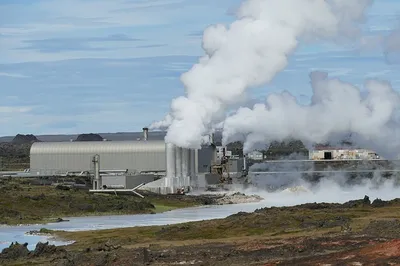
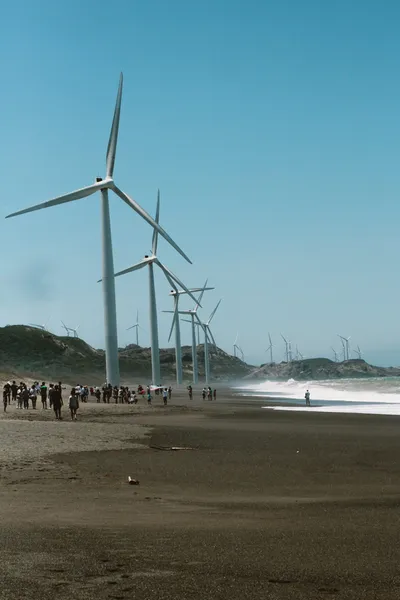
Unlike other green power sources like wind and geothermal power, solar power is more easily harnessed by the average consumer.
Solar systems can be fitted into any existing home without the need for complicated re-wiring.
It’s self-sufficient and will usually run with minimal maintenance.
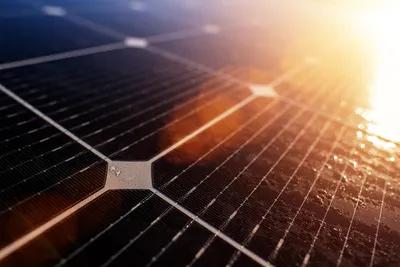
Solar panels are built smooth and scratch-proof to maximize the absorption of sunlight.
They’re also installed at an angle to capture as much sunlight as they can.
Dust and debris accumulating on the panels will result in the prevention of efficient absorption of sunlight and lower energy output.
The angled, smooth surface of solar panels means most particulates naturally slide off on their own anyway.
Snow on the panels will also usually melt away as these panels generate a significant amount of heat.
Solar powered systems are also almost maintenance-free because they usually require few (if any) movable parts to run.
Movable parts in machines breakdown and fail because of friction due to constant use.
However, on-going advances in technology keep reducing the maintenance needed for solar powered products.
4. Fixed Costs
The initial expenditure for buying and installing solar powered systems can be daunting.
There are also companies that offer the option for homeowners to rent these solar systems.
However, these costs can be recovered in the long term through savings accumulated from lower utility bills.
Anything that uses normal electricity from the grid can be converted into using solar power instead so there is less need to depend on the power company.
As soon as you switch to a solar-powered environment, savings start immediately.
But again, as technologies improve, costs will continue to come down as demand rises for cleaner and greener alternative power sources.
There are also many products out there that do not require a large initial investment.
For instance, solar powered flood lights and garden fixtures rely entirely on sunlight, so illuminating the garden and home does not necessarily mean it has to come with a hefty installation bill.
5. Independent of Electricity Price Fluctuations, Problems At The Grid
Currently, if there are any problems anywhere along the grid, consumers will be victims of sudden outages when their area has to be shut off to deal with repairs.
You will be free of all these problems after switching to solar as you will be more self-sufficient.
Warranties for many home and commercial solar systems are usually for 20 to 30 years.
That’s decades of coverage you won’t have to think about!
Depending on your local utility provider also holds you hostage to constant price hikes on your bills.
These hikes fluctuate based on many factors such as global supply, dollar value and relationships with foreign nations.
All of which the average consumer has no control over.
Power plants themselves are also fast moving towards using renewable energy to cope with unpredictable oil price fluctuations.
Solar power is the favored choice due to its reliability and stability.
6. Tax Incentives
The Energy Policy Act of 2005 introduced the solar tax credit as an incentive for the adoption of solar power.
The solar tax credit allows you to deduct 30% from your annual tax bill of the cost of any solar energy system that is installed on your property.
Such incentives won’t be available for long though.
Deductions will gradually be reduced from 2021 onwards.
Some states and local utility companies also offer rebates and incentives for making the switch to using solar energy.
So make sure you check out what other savings could benefit you.
7. Money-Making Investment
Many states offer net metering.
This means households that generate more electricity that they can use get to sell the excess energy back to the power company.
Solar power works using sunlight.
During the day, when many people aren’t at home and therefore not using any electricity, power is still being generated by the solar panels.
This extra energy can be channelled back to the grid for the power company to sell to others.
You’re saving money for the utility company as they will then need to generate less power.
The credits you receive from the company can then be drawn down when it’s night and your solar system isn’t producing electricity for your own use.
Over time, if you have more credits than you can use, you can therefore start receiving checks from the power company!
8. Solar Anywhere, On Anything
Solar can be used to generate electricity for places that are not part of any grid connection.
We’re only limited by our imagination on how we want to use that power.
Anything that needs energy to run, there’s a solar kit for that.
There are even a variety of kits that can be used on boats, cutting down the need for large petrol tanks. Solar kits for RVs are another popular option for off-grid power on the road.
Less weight on the tanks make for faster boats!
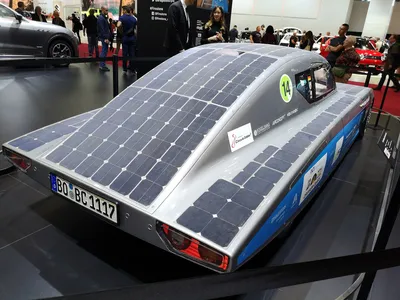
Car companies are also jumping onto the bandwagon and are now experimenting and having trial runs of vehicles using solar power.
Not to be left behind, public transport will soon be transformed as electricity can be generated by static solar panels all along the fixed route.
The next step, and we’re getting really close to it, would be solar cell fabric!
The practical uses for solar fabric would be astounding as any item of clothing worn could be a potential energy emitter.
9. Solar Power Boosts Property Prices
The savings gained from going solar isn’t the only reason buyers are willing to pay a higher premium for property purchases.
As electricity prices go up, more and more people see the need to have more control over the budget spent on utility bills.
The desire for a cleaner and more environmentally friendly lifestyle due to fears of climate change further amps up demand for solar powered alternatives.
This means not only can you fetch a higher price for your property, it’s also far likelier that it will sell faster than places without solar installations.
10. Technology Keeps Improving - Global Demand, Competitive Market
Solar power is revolutionizing how power is delivered to even the most remote of areas.
Solar energy can be used for heating and lighting, for making potable water and to treat waste water.
Solar power is also the preferred mode of receiving electricity when the need is temporary as it cancels the necessity to be connected to any wired power source.
This is especially beneficial during camping trips or even when you’re in a foreign country and voltage or plug points are incompatible with what you have.
With new technological advancements, solar energy as a source of renewable and clean energy is fast becoming the power of choice.
It’s becoming more affordable and increasingly more efficient.
As a kid, solar powered calculators were considered a luxury as costs were so prohibitive.
Nowadays, these calculators are used by many children at school.
A calculator bought a decade ago would work just as well today.
This is an example of how reliable solar powered systems can be and how affordable it’s now.
Frequently Asked Questions
Is solar energy really unlimited?
For all practical purposes, yes. The sun is expected to continue burning for roughly 5 billion more years, which means the fuel source behind solar power will outlast every fossil fuel reserve on the planet.
As long as daylight reaches your panels, you can generate electricity. Paired with modern battery storage, solar systems can even supply power during cloudy stretches and overnight hours.
How much maintenance do solar panels need?
Very little. Most residential solar panels have no moving parts, so there is nothing to wear out from friction or regular use.
Rain usually washes away dust and debris on its own, and snow tends to melt because the panels generate heat. An occasional visual inspection and a gentle rinse with a garden hose once or twice a year is typically all that is required.
Can a rooftop solar system cover all of a home’s electricity needs?
Yes, a properly sized rooftop solar installation paired with battery storage can cover most or all of a home’s electricity needs.
Many homeowners generate enough surplus power during peak sun hours to offset nighttime usage through net metering credits with their utility company.
Do solar panels work on cloudy or rainy days?
Yes, though at reduced efficiency. Solar panels rely on light, not direct sunshine, so they still produce electricity under overcast skies.
Output typically drops to around 10 to 25 percent of peak capacity on heavily cloudy days. Battery storage systems help bridge the gap by storing excess energy generated during sunnier periods for use when production dips.
Final Thoughts
Due to its massive potential, sooner or later most households will be relying on some form of solar power. Battery storage capacity and affordability are rising in tandem with advancements in panel technology, which means power can be tapped anywhere, anytime.
Expansion in energy storage also allows clean power to be used well after the sun goes down.
The monthly power bill may soon be considered a relic as more developers incorporate solar installations into new construction. Dependence on oil-producing nations will shrink as consumers gain access to cheaper, more viable renewable options.
Solar energy levels the playing field because no country has to fight over sunlight, no one holds exclusive rights to it, and it is freely available to anyone who wants it.
Unlike many other energy sources, solar power is not going to run out anytime soon. The sun will still be around long after humans have used up every other resource on the planet.