 SolarPowerNerd

Solar panels don’t just work in blazing desert sun. They generate electricity on cloudy days, rainy afternoons, and even in some of the rainiest cities in the country.
Here’s when solar panels actually make sense and how to get the most out of them.
How Electricity Is Produced
In most conventional methods, water or gas is heated by an energy source like coal, fuel, or nuclear material. Whichever method you use, you need a turbine at the end of the process, turned by steam or gas, to generate electricity.
Solar panels don’t require turbines. They get energy directly from the sun, which means if you don’t invest in a high-capacity battery, you’ll need direct sunlight when you need high amounts of electrical power.
How Solar Panels Work
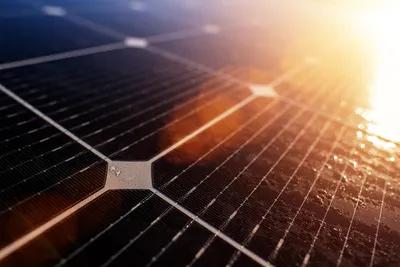
Unlike common belief, most solar panels don’t work by heat. Their system is based on absorbing sunlight (as photons) and turning it into electricity through electron movement in the panel.
This kind of solar panel would even work with a light bulb as a source, but that would be extremely inefficient. There are still solar panels that use the sun’s heat directly for heating water, either for bathing and cleaning or as a fuel alternative.
The initial decision is which application you need. Panels used for heating make more sense if fuel prices are expensive in your region.
Electricity-generating panels are more valuable if electricity prices are higher.
Since they’re the more common and complex type, the rest of this article focuses on electricity-generating solar panels. You can learn more about how solar energy works step by step.
When to Use Solar Panels
Solar panels still require some initial investment and maintenance, making it smart to calculate your savings before deciding on installation. Solar panels are only worth using when the math makes sense.
Evaluating solar panel efficiency is more complex than most people realize. Most folks expect sunny and hot regions to be perfect for solar panels and cloudy, cold regions to be useless.
But the results can be very different from what you’d expect. Even in Portland, one of the rainiest regions in the US, solar panels are gaining wider attention every day and increasing their market share.
This evaluation requires expertise. Just because you get a tan when you go outside doesn’t mean solar panels will work perfectly there.
Heat isn’t directly related to solar panel capacity the way most people assume.
Do Solar Panels Work on Rainy Days?
Solar panels use sunlight to generate electricity, so they can operate well in unexpected conditions. Despite general belief, solar panels do work on cloudy days, rainy days, and even in winter.
Sunlight contains different wavelengths of light, some of which aren’t even visible to the human eye. Even when we don’t see any light, photons are being absorbed by the solar panel and generating electricity.
This applies to rainy and snowy days too. All solar panels are tested for stability in extreme weather conditions, so you’ll be safe.
You can even enjoy an occasional rain, as it cleans the panel surface and increases efficiency.
Solar panels won’t be as efficient in bad weather as on sunny days. Before making a decision, get a technical analysis from an expert to determine how much power you can generate and which type and size combination you need.
It’s not uncommon to get much less power than the potential just from a lack of planning. You should either consult a professional or research thoroughly before buying.
Should You Use Solar Panels Everywhere?
For solar panels to be profitable, electricity prices at your location matter. It costs roughly the same to construct a solar panel system anywhere in the world, but electric prices vary significantly from region to region.
This makes general calculations and profit estimates useless. You need a detailed cost-profit analysis made specifically for your region.
Solar Panels and the Environment
Cost concerns aside, solar energy is being used because the world needs it. Over the years, reliance on fuel-based energies has slowly accumulated greenhouse gases in the atmosphere.
For over 170 years, scientists have searched for alternative clean energy sources. They haven’t found a more suitable one than the sun.
If you want to do something for the environment, solar panels are worth serious consideration.
Become Your Own Supplier
How many times has your power gone out in the middle of a movie? How many times have you had to cancel important online meetings?
Solar panels prevent these problems, making you your own electricity provider. You won’t be affected by the volatility of oil prices or lack of service from your electricity provider.
How to Store Your Own Electricity
Solar panels alone don’t represent a whole system that can provide 24/7 electricity. Even in the best regions, the sun sets every day.
Your solar panel doesn’t generate power at night, and that’s typically when you need it most. Without storage, the electricity your panel generates during the day goes to waste if you’re not using it.
The solution is a battery, but not just any battery. You should choose an appropriate size and capacity battery to store electricity generated throughout the day.
Those batteries can be costly, so decide whether to buy one, rent one, or share one with nearby solar panel owners.
How to Place Solar Panels for Best Performance
Solar panels are generally installed on rooftops, which brings several considerations. Make sure you’re content with your roof and not planning a renovation for at least 25-30 years, as that’s the minimum lifetime of most solar panels.
Even if your region is sunny, your specific roof could be an exception due to its angle, nearby buildings, or shading. Make sure you have all necessary calculations before installing.
Your roof also needs to be strong enough to carry the extra weight, especially in winter when snow adds mass. If you share your building, you’ll need permission from the other occupants.
Direction Matters
If you’re not having a professional team set up your solar panel, there are important considerations for optimal performance. The direction your solar panel faces can determine whether it’s profitable or a waste of money.
The sun rises in the east and sets in the west. Setting your panel facing either east or west cuts the sunlight you receive roughly in half.
You should always set your solar panel to face south, as it captures both the morning and afternoon sun.
The Angle Is Also Important
Direction alone isn’t enough. The angle matters too.
Panels work most efficiently when sunlight hits them at a 90-degree angle, meaning perpendicular.
Keeping the angle perfect at all times isn’t possible since the earth and sun are constantly moving, and most panels don’t allow constant adjustment. An optimum arrangement is between 30-40 degrees, which covers you for both summer and winter.
Make sure there’s no shade at any time of the day where you installed your solar panel. Remember that shade positions change throughout the day.
Keep Panels Clean
After installing your solar setup and enjoying free electricity, you might notice performance dropping after a while. Don’t worry, your panel probably isn’t dying.
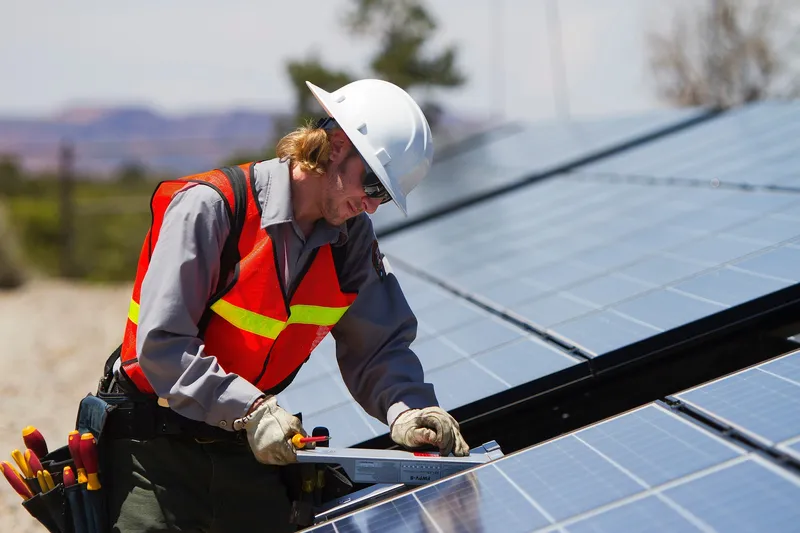
Your solar panel depends on sunlight absorption, and if it’s covered in dust, performance drops. Either clean them yourself or hire professionals.
Solar panels don’t require much maintenance, but they do need cleaning once in a while. Learn more about how long solar panels and lights last with proper care.
Frequently Asked Questions
Do solar panels work at night?
Solar panels don’t generate electricity at night because they need sunlight to produce power. To use solar energy after dark, you’ll need a battery storage system that saves excess electricity generated during the day.
Grid-tied systems can also draw from the utility grid overnight.
How many hours of sunlight do solar panels need?
Most solar panels need at least four to five hours of direct sunlight daily to produce meaningful electricity. Peak production happens during midday when the sun is strongest.
Panels still generate some power on overcast days, just at reduced levels compared to full sun conditions.
Can solar panels power a whole house?
Solar panels can absolutely power an entire house when properly sized for your energy consumption. The average US home needs 20-25 panels rated at 300-400 watts each.
You’ll also need an inverter, battery storage, and proper orientation to cover your full electricity needs year-round.
Are solar panels worth it in cloudy climates?
Solar panels still produce electricity in cloudy climates, just at reduced efficiency. Cities like Portland, Seattle, and London have thriving solar markets because high electricity prices offset lower production.
A well-designed system in a cloudy area can still provide significant savings over its 25-year lifespan.
Final Thoughts
Solar panels work in more conditions than most people expect. The key factors are proper placement, correct angle, the right direction, and a clean surface.
Pair your panels with battery storage and you’ve got a system that works day and night. Do your research, get professional input on your specific roof and location, and you’ll know exactly what to expect from your investment.